NASA-ISRO’s NISAR Mission to launch soon from India: What does it mean for natural disaster tracking?
NASA and ISRO are preparing to launch the NISAR satellite from Sriharikota in late July. This advanced radar satellite will provide high-resolution, 3D views of Earth's surface to monitor changes in land and ice and help manage natural disasters.
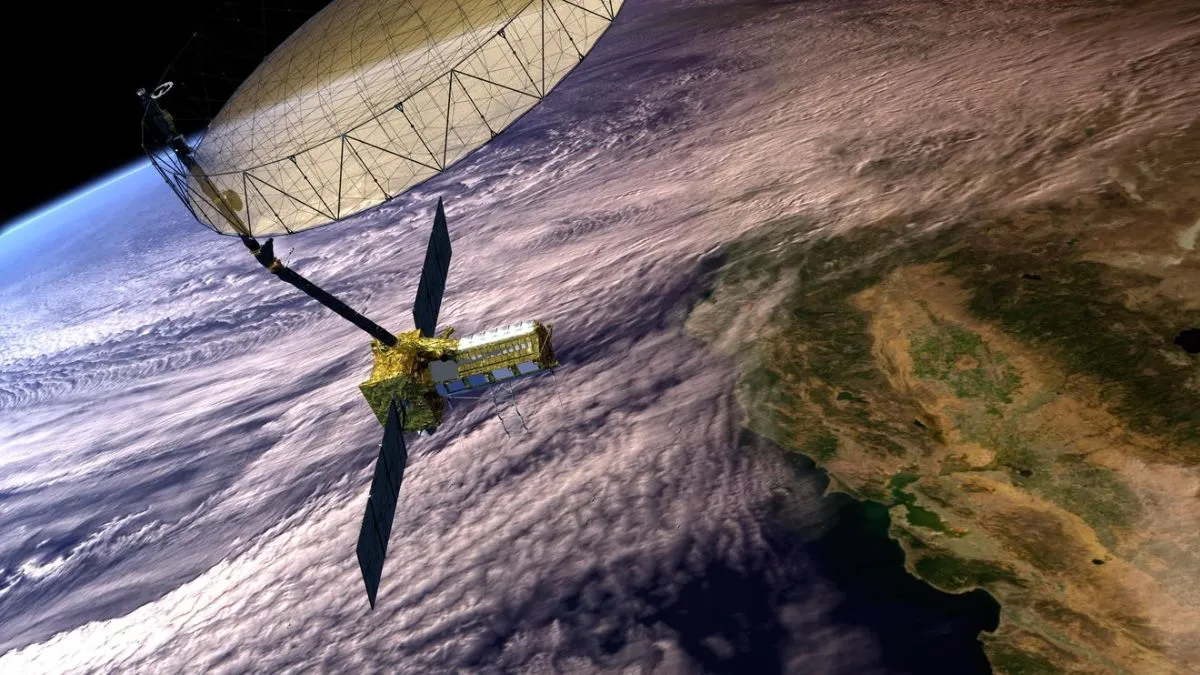
The NASA-ISRO Synthetic Aperture Radar (known as NISAR) satellite is set to launch from India’s Satish Dhawan Space Centre in Sriharikota on July (timeline yet to be disclosed). This is the first-of-its-kind Earth-observing mission, which is set to launch in collaboration between the United States’ NASA and India’s ISRO. The mission further aims at providing an unprecedented three-dimensional view of Earth.
NASA will be hosting a live news conference on July 21 at 9:30 PM IST, where it will be sharing a detailed preview of the mission in collaboration with ISRO. The event will be streamed live via NASA Jet Propulsion Laboratory’s official social media pages like Facebook, X (formerly known as Twitter) and YouTube.
What makes NISAR so special?
The NISAR satellite is equipped with dual radar systems:
- An L-band radar from NASA
- An S-band radar from ISRO
Using synthetic aperture radar (SAR) technology, it will be able to scan almost the entire Earth every 12 days. It will further capture even centimetre-level changes on land, which are visible via satellite and ice surfaces.
The mission’s goal is to help scientists monitor and understand natural disasters, like:
- Earthquakes
- Volcanic eruptions
- Landslides
- Flooding
- Land subsidence
With the help of cloud-penetrating radar, NISAR will be able to provide real-time disaster response during cyclones and floods, especially in regions like India and the neighbouring countries, that are prone to such weather conditions.
ISRO’s vital contribution to NISAR
Multiple ISRO centres have been playing crucial roles in this upcoming historical mission:
- Space Applications Centre: Provided the S-band radar
- U R Rao Satellite Centre: Built the spacecraft
- Vikram Sarabhai Space Centre: Supplied the rocket
- Satish Dhawan Space Centre: Launch operations
- ISRO Telemetry Tracking and Command Network: Handling satellite operations
- National Remote Sensing Centre: Will process and share S-band data
NASA’s Jet Propulsion Laboratory (JPL) developed the radar antenna, boom, data communication systems and L-band radar. The data will be received via NASA’s Near Space Network.
How to watch and ask questions during the live press conference on July 21
In the press conference, which will include key NASA officials and scientists, the Indian space enthusiasts could ask questions on social media by using the hashtag #AskNISAR.