Indigo flight with 186 onboard suffers bird hit on landing at Dehradun airport
The incident occurred around 6:45 pm on Sunday when a bird struck the nose of Indigo flight IGO 5032, which had arrived in Rishikesh from Mumbai.
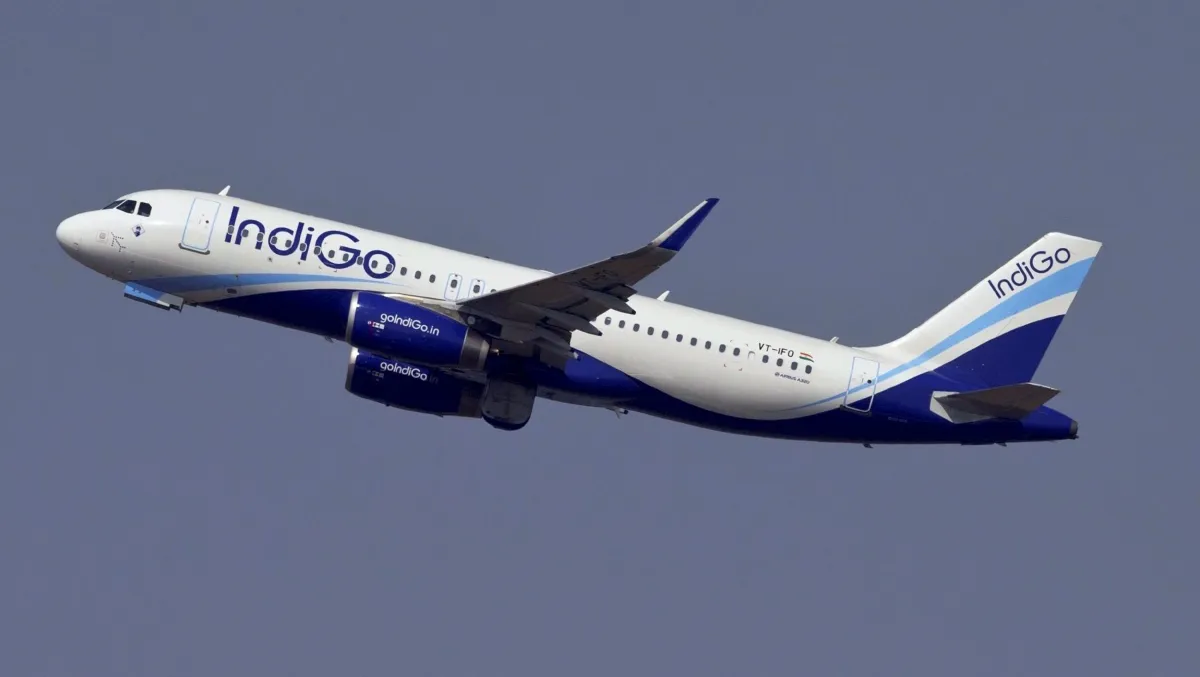
An IndiGo aircraft carrying 186 passengers from Mumbai was damaged after being struck by a bird on the runway of Jolly Grant Airport near Rishikesh in Uttarakhand's Dehradun, said officials. The incident occurred at around 6:45 pm on Sunday when IndiGo flight IGO 5032 had just landed.
Fortunately, all 186 passengers on board were reported safe.
Airport authorities carried out a detailed inspection and a safety audit of the runway following the bird strike to ensure operations remained secure.
IndiGo on a bird hit
IndiGo Spokesperson said, "Caused due to a bird hit, a maintenance requirement was noticed on IndiGo flight 6E 5032, operating from Mumbai to Dehradun on 23 November 2025. The aircraft was subsequently grounded and an alternative flight was arranged to operate the sector. Refreshment boxes and dinner were provided to all the passengers."
Bird strikes aircraft during take-off or landing
A bird strike occurs when a bird collides with an aircraft, most often during take-off or landing, when planes operate at lower altitudes. While the majority of these incidents are minor and pose no threat to flight safety, they are treated with caution because impacts can damage sensitive aircraft components. Parts such as the nose cone, windshield, wings, and landing lights are commonly affected. The greatest risk, however, is to the engines—especially if a large bird is ingested. Modern jet engines are designed to withstand hits from smaller birds, but larger ones may lead to vibration, power loss, or engine shutdown.
When a bird strike is reported, pilots alert air traffic control immediately and proceed to land if airborne. After landing, engineers conduct a detailed inspection to detect structural or mechanical damage, and the aircraft is cleared for service only after all safety checks are completed. To reduce such incidents, airports employ bird-scaring devices, lasers, habitat management, and trained personnel to keep runways clear of birds.
IndiGo flight had diverted to Mumbai
Earlier this month, a full emergency was declared at Mumbai Airport on November 1 after a bomb threat was reported on IndiGo flight 6E 68 flying from Jeddah, Saudi Arabia, to Hyderabad. The Airbus A320neo, carrying 185 passengers, was diverted to Mumbai at approximately 7:30 am following an alert received by air traffic control (ATC). Authorities immediately activated emergency protocols, informing all relevant agencies and deploying full-scale emergency response teams to prepare for the aircraft’s safe landing.
The aircraft declared a full emergency at 7:32 am, with Mumbai ATC confirming “nature of trouble: bomb threat.” Fire tenders from both the main and satellite fire stations- designated CFT-5, CFT-8, and CFT-9- were mobilised and positioned along the pre-determined deployment points. Command posts were established, and additional Mumbai Fire Brigade vehicles were stationed at Gate No. 5.
Also Read: IndiGo flight from Jeddah diverted to Mumbai after bomb threat
Also Read: IndiGo Kolkata-Srinagar flight makes emergency landing at Varanasi airport