National Tourism Day 2026: The most visited tourist site in India and why
On National Tourism Day 2026, official data from the Archaeological Survey of India reveals why the Taj Mahal remains the most visited tourist site in India, drawing millions of domestic and international visitors every year.
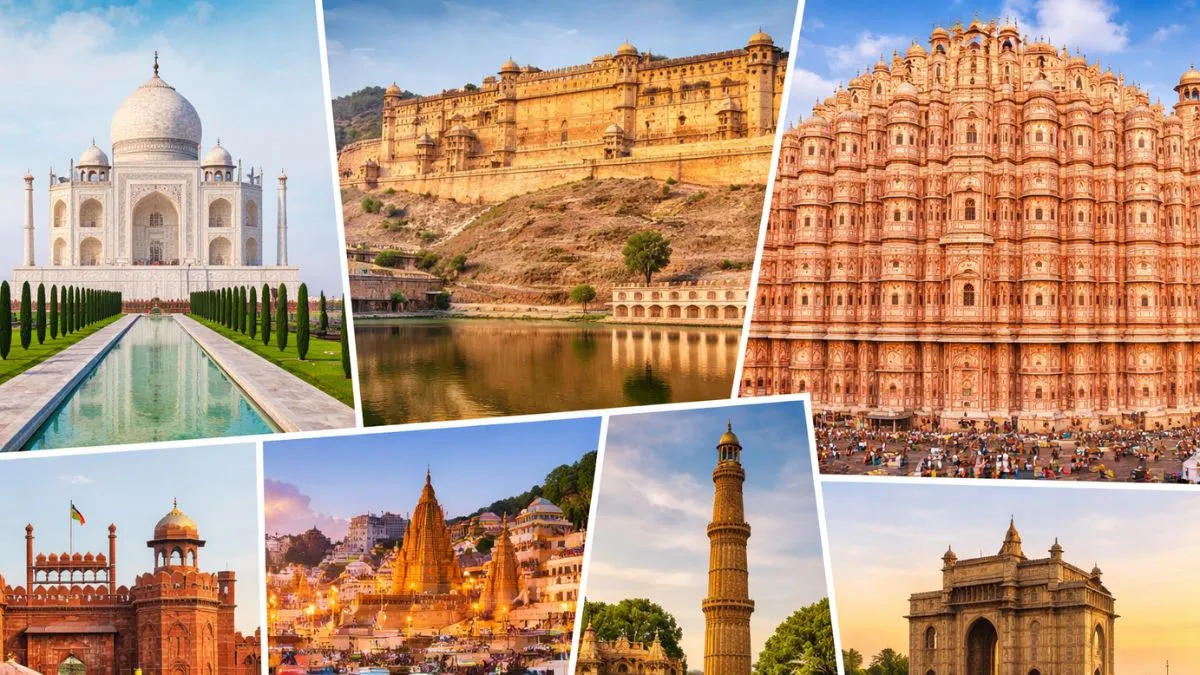
Every year on January 25, National Tourism Day shines a light on how travel shapes India’s economy, culture and global image. From Himalayan monasteries to coastal forts, the country has no shortage of icons. Yet one monument continues to draw more visitors than any other, year after year, quietly, consistently, and without competition.
On the occasion of National Tourism Day, let's talk about India's most visited tourist site. The most-visited centrally protected ticketed monument for both domestic as well as international tourists during the financial year 2024-25 was Taj Mahal, located in Agra.
India’s most visited tourist site: Taj Mahal, Agra
The Taj Mahal is declared to remain the highest visited tourist destination within India, according to footfall figures put out by the Archaeological Survey of India figures, reported under the Ministry of Tourism, Government of India. Both pre-pandemic and post-recovery statistics put the white marble mausoleum at the pinnacle, visited by millions of domestic and international tourists each year, far ahead of any other protected monument in the country.
Why the Taj Mahal still leads
A universal love story that travels well
Built by Mughal emperor Shah Jahan in memory of Mumtaz Mahal, the Taj is not just architecture; it is emotion made permanent. Love stories cross borders easily, and this one is carved in marble.
A global brand, not just a monument
The Taj Mahal is one of the most recognisable landmarks in the world. For many first-time visitors to India, it is the anchor of their itinerary. Even seasoned travellers circle back.
Easy access, high visibility
Agra's connectivity by road, rail, and air, especially from Delhi, makes the Taj Mahal an effortless inclusion for both domestic tourists and short-haul international travellers.
UNESCO status and constant preservation
As a UNESCO World Heritage Site, the monument has promised and remains in the process of continued conservation, where global attention and strict visitor management together play their parts in maintaining its appeal despite heavy footfall.
How other major sites compare
The destinations that draw large crowds include Qutub Minar, Red Fort, Gateway of India, Hawa Mahal, and Amer Fort; yet, the Taj Mahal, according to ASI records, always stands a number of notches ahead of these in the number of tourists it attracts every year. The gap is not about scale alone. It is about symbolism, storytelling and timeless relevance, three things the Taj Mahal has mastered.
On National Tourism Day, the Taj Mahal’s dominance offers a useful reminder: infrastructure matters, marketing matters, but meaning lasts the longest. Long after trends shift and itineraries evolve, travellers continue to seek places that make them feel something, and few places do that as effortlessly as this one.
Also read: Long weekends in 2026: Full holiday calendar with leave planning tips