King cobras turning up on trains in India: 6 passenger mistakes that make wildlife encounters riskier
A recent study warning about king cobras being found aboard trains has drawn attention to how passengers react during wildlife encounters. Using these incidents as context, we look at six common human reactions that often make such situations more dangerous for both people and animals.
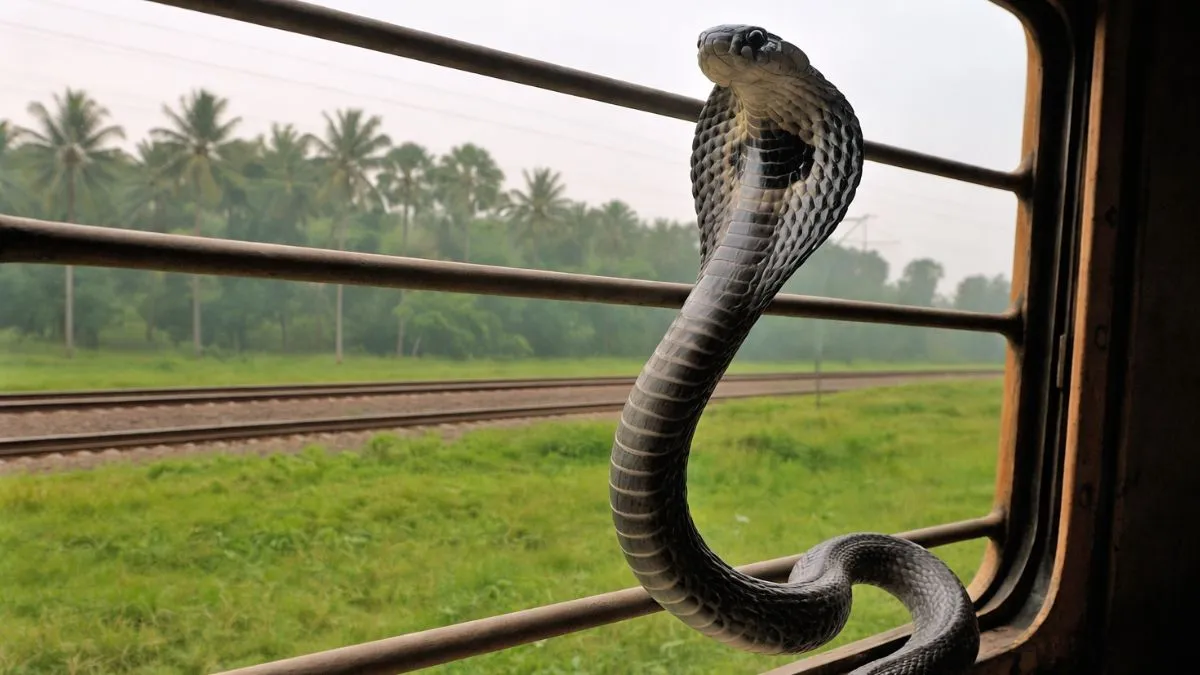
Stories of wildlife turning up in unexpected places often sound surreal. A king cobra on a train feels like one of those things that should not happen, until it does. A recent scientific study has documented exactly that in Goa, where king cobras have repeatedly been found near and even aboard trains. The research, based on 22 years of verified rescue records between 2002 and 2024, identified 47 confirmed sightings across the state, including several close to busy railway corridors. These encounters are rare, yes, but they are real. And when they happen, human behaviour often becomes the biggest variable in how things unfold.
What the research quietly points to is not just animal movement, but reaction. How passengers respond in moments like these can either calm a situation or push it into danger. Below are some of the most common mistakes passengers make during wildlife encounters on transport routes, and why they tend to make things worse.
6 passenger mistakes that make wildlife encounters riskier
1. Panic spreads faster than the animal itself
The first reaction is almost always panic. Shouting. Running. People moving without direction. In confined spaces like train compartments, panic amplifies risk. Sudden movement can agitate an already stressed animal and make the situation harder to control.
2. Crowding for a closer look
Curiosity kicks in quickly. People step closer. Phones come out. What feels like a harmless attempt to see better often shrinks the animal’s escape space. That loss of distance can trigger defensive behaviour.
3. Trying to chase or corner the animal
Some passengers attempt to “drive” the animal away using sticks, bags, or noise. This usually backfires. Cornered wildlife reacts on instinct. The study highlights that king cobras are already out of place in such environments. Added pressure only escalates risk.
4. Assuming the animal will not attack
There is often a moment of false confidence. People believe the animal will stay still or move away on its own. That assumption ignores stress, unfamiliar surroundings, and instinct. In reality, unpredictability is highest in these moments.
5. Delaying professional help
Instead of alerting authorities or rescue organisations immediately, people wait. They film. They debate. Time passes. The study stresses the importance of coordinated reporting. Delays reduce safe outcomes for both humans and animals.
6. Reacting with fear-driven violence
Fear sometimes turns into aggression. Snakes are killed unnecessarily because people act before understanding the situation. The research notes that this fear response poses a serious conservation concern, especially for a vulnerable species already under pressure.
Wildlife encounters in human spaces are rarely planned. But reactions are. Staying calm, keeping distance, and calling trained responders matter more than people realise. These moments test restraint. Not bravery.