Yashoda Jayanti 2026: Date, tithi timing, shubh muhurat, puja vidhi and significance
Yashoda Jayanti 2026 will be observed on February 7. The day marks the birth anniversary of Maa Yashoda and holds deep spiritual meaning for Krishna devotees. Here’s a guide to the tithi timing, shubh muhurat, puja vidhi and the festival’s significance.
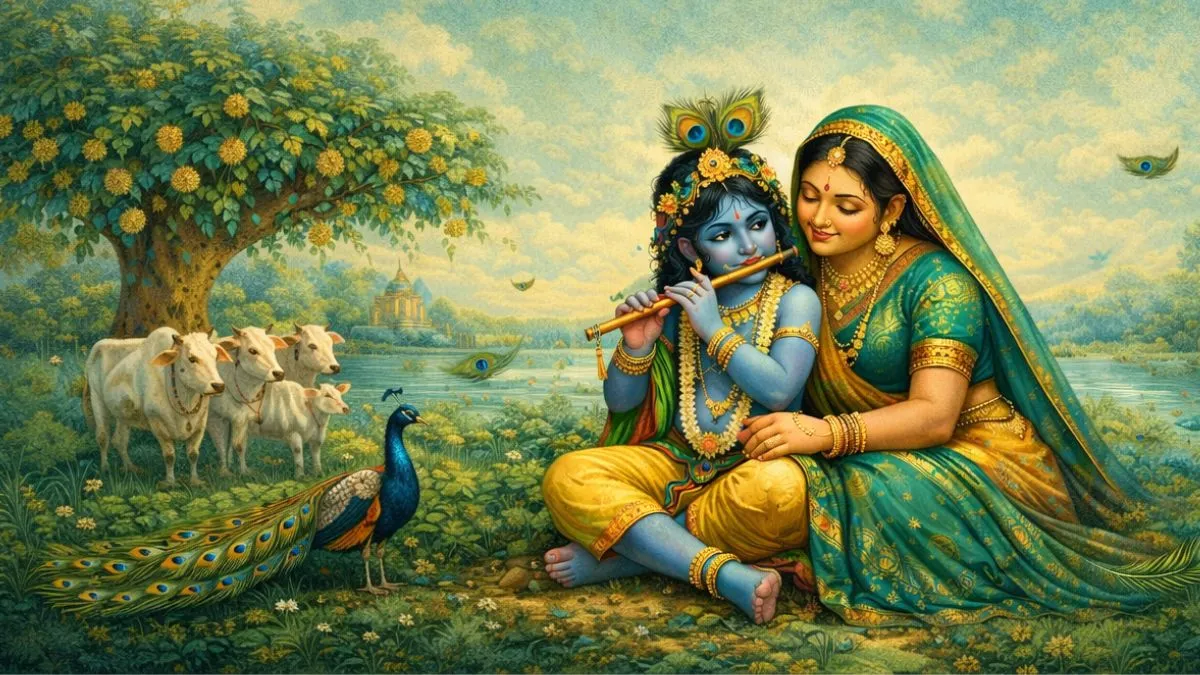
For Krishna devotees, certain dates through the year carry a softer, more emotional weight. Yashoda Jayanti is one of them. It falls on the Shashthi Tithi of the Krishna Paksha in the Phalgun month and is observed as the birth anniversary of Maa Yashoda, the woman who raised little Krishna.
The day moves beyond structured rituals. It sits gently within the idea of caregiving, warmth and maternal affection. Many devotees keep a fast and offer prayers with the belief that the observance invites wellbeing for children and emotional steadiness within the family. Worship of Maa Yashoda alongside Bal Gopal is often seen as a way to seek harmony, protection and nurturing grace at home.
Yashoda Jayanti 2026 date and tithi timing
As per traditional Hindu calendar calculations, the Shashthi Tithi of Krishna Paksha in Phalgun begins at 1:18 am on February 7, 2026, and concludes at 2:54 am on February 8, 2026. Since the tithi prevails on February 7, devotees will observe Yashoda Jayanti fasting and rituals on this day. The occasion also coincides with Chitra Nakshatra, which continues until 2:28 am on February 8.
Yashoda Jayanti 2026 shubh muhurat and auspicious yogas
February 7 is regarded as spiritually supportive for worship and devotional practices. Two auspicious yogas, Sarvartha Siddhi Yoga and Ravi Yoga, will remain in effect from 2:28 am to 7:05 am, a window many consider especially favourable for offering prayers and performing rituals.
Other key timings include:
- Amrit Kaal – 7:31 pm to 9:15 pm
- Abhijit Muhurta – 12:13 pm to 12:57 pm
- Vijay Muhurta – 2:25 pm to 3:09 pm
- Godhuli (Twilight) time – 6:03 pm to 6:29 pm
Devotees often align their puja rituals within these timeframes.
Yashoda Jayanti puja vidhi and fasting rituals
The day typically begins early, during Brahma Muhurta. Devotees bathe, wear clean clothes and prepare the home temple for worship.
Common puja steps include:
- Cleaning the prayer space thoroughly
- Dressing idols or pictures of Maa Yashoda and Bal Krishna in yellow garments
- Offering Tulsi leaves, roli, sandalwood, turmeric, incense, flowers and fruits
- Presenting Makhan-Mishri, considered Krishna’s favourite bhog
- Reciting Gopal Sahasranama or hymns dedicated to Yashoda and Krishna
- Performing aarti and distributing prasad among family members
Many devotees observe a fast, consuming fruits once during the day, while keeping the mind calm and immersed in devotion.
Significance of Yashoda Jayanti in Sanatan tradition
Beyond ritual, Yashoda Jayanti symbolises maternal love in its purest form. Maa Yashoda’s bond with Krishna represents affection without expectation, care without condition. It is widely believed that prayers offered with sincerity on this day invite emotional calm, familial unity and blessings for children. The observance also carries a quieter spiritual message. That devotion is not measured by scale of ritual, but by the honesty of faith and the depth of feeling behind it.
ALSO READ: Lunar eclipse 2026 in India: Date, time, visibility and Sutak dos and don’ts