Phalgun Month 2026 begins on February 2: Full list of important fasts and festivals
The Phalgun month begins on February 2, 2026, marking the final month of the Hindu calendar. This period brings several important fasts and festivals, including Mahashivratri, Phalgun Amavasya, Holika Dahan and Holi. Here’s a date-wise list of key observances.
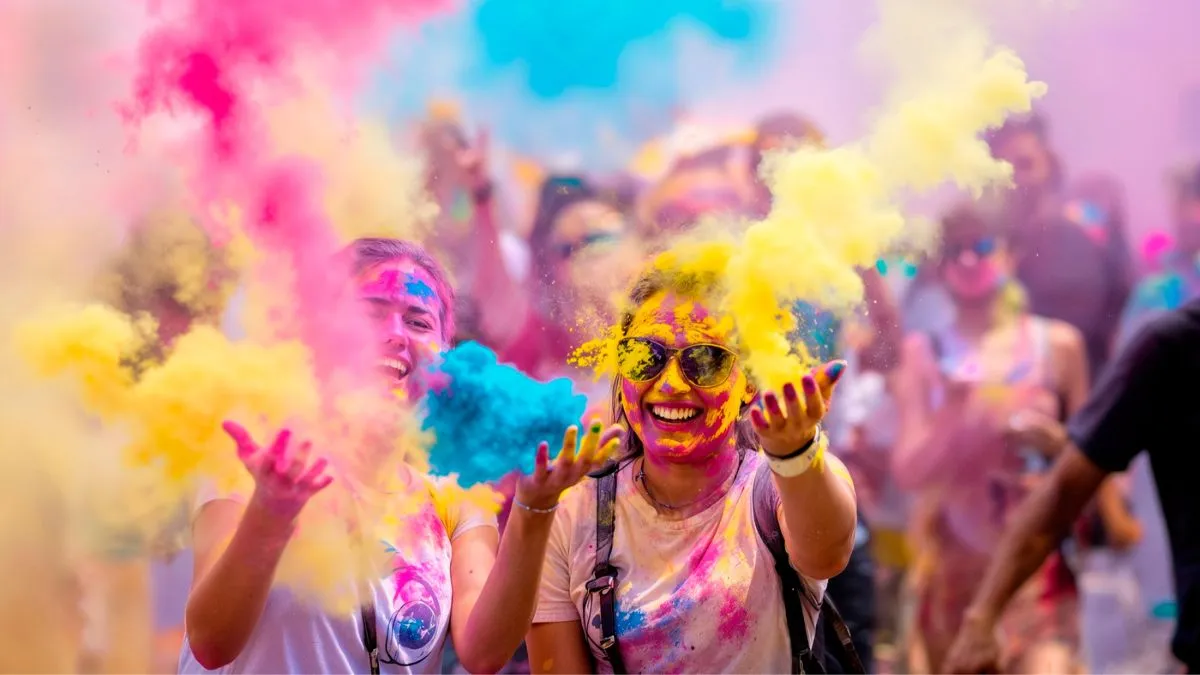
February 2, Monday marks the beginning of Phalgun, the twelfth and final month of the Hindu calendar in the North Indian (Purnimanta) tradition. In 2026, the Phalgun month begins on February 2 and moves steadily towards Phalgun Purnima, which coincides with Holi celebrations. Phalgun is often called the month of colours, but it is also the month where winter loosens its grip and spring slowly settles in.
Nature softens during this time. Days feel lighter. Nights less sharp. Phalgun carries both beauty and ritual, making it one of the most spiritually active months in the Hindu calendar. It brings together fasting days, remembrance rituals, and festivals that many people quietly prepare for, long before they arrive.
Falgun Month 2026: List of fasts and festivals
Sankashti Chaturthi – February 5, Thursday
Dwijapriya Sankashti will be observed on February 5, falling on the Chaturthi Tithi of the Krishna Paksha of Phalgun. The word Sankashti refers to relief from troubles. It is believed that fasting on this day helps remove obstacles and brings stability, happiness and prosperity.
Janaki Jayanti – February 9, Monday
Shri Janaki Jayanti will be celebrated on February 9, observed on the Ashtami Tithi of the Krishna Paksha of Phalgun. The day also coincides with Kalashtami and Masik Krishna Janmashtami, adding to its religious importance.
Vijaya Ekadashi – February 13, Friday
Vijaya Ekadashi will be observed on February 13, falling on the Ekadashi Tithi of the Krishna Paksha of Phalgun. The day is traditionally associated with victory over difficulties and disciplined devotion. Kumbha Sankranti also falls on the same date.
Shani Pradosh Vrat – February 14, Saturday
The Shani Pradosh Vrat will be observed on February 14, coinciding with Shani Trayodashi. Devotees worship Lord Shiva along with Lord Shani on this day, seeking balance, protection and relief from hardship.
Mahashivratri – February 15, Sunday
Mahashivratri will be observed on February 15, falling on the Chaturdashi of the Krishna Paksha of Phalgun. Devotees observe fasts and worship Lord Shiva and Goddess Parvati. Visiting Jyotirlingas on this day is considered highly significant. Masik Shivaratri also falls on the same date.
Phalgun Amavasya – February 17, Tuesday
Phalgun Amavasya will be observed on February 17. The day coincides with Darsha Amavasya and Dwapara Yuga Diwas. It holds importance for charity, ancestral rituals, water offerings, bathing and donations. Shraddha rituals are commonly performed.
Vinayaka Chaturthi – February 21, Saturday
Vinayaka Shri Ganesh Chaturthi, also known as Dhundhiraja Chaturthi, will be observed on February 21, falling on the Chaturthi Tithi of the Shukla Paksha of Phalgun. Worship and fasting on this day are believed to bring happiness and prosperity.
Holashtak begins – February 24, Tuesday
Holashtak begins on February 24, marking the eight days leading up to Holika Dahan. During this period, auspicious activities such as marriage and housewarming are traditionally avoided. These eight days continue until Holika Dahan and conclude with Holi.
Amalaki Ekadashi – February 27, Friday
Amalaki Ekadashi, also known as Rangbhari Ekadashi, will be observed on February 27. The day falls on the Ekadashi Tithi of the Shukla Paksha of Phalgun and is dedicated to Lord Vishnu. Fasting and worship on this day are believed to bring peace, prosperity and spiritual merit.
Pradosh Vrat – February 28, Saturday
The Shani Pradosh Vrat of the bright fortnight will be observed on February 28, coinciding with Shani Trayodashi. Lord Shiva and Goddess Parvati are worshipped during the Pradosh period.
Phalgun Purnima and Holika Dahan – March 2, Monday
Holika Dahan will be performed on March 2, which is also Phalgun Purnima. In the North Indian tradition, this full moon marks the completion of the Phalgun month. The night is observed with bonfires, devotion and reflection.
Holi 2026 – March 3, Tuesday
The festival of colours, Holi, will be celebrated on March 3, 2026. People come together to apply colours, share food, and mark the joyful close of Phalgun, welcoming spring with openness and warmth.
ALSO READ: Mahashivratri 2026 shubh yog: Doing puja at this time will bring divine blessings
Phalgun does not rush. It unfolds. One date at a time. One ritual after another.