- News
- Lifestyle
- Spirituality
- Char Prahar Puja Maha Shivratri 2026: Complete guide to night-long Shiva worship
Char Prahar Puja Maha Shivratri 2026: Complete guide to night-long Shiva worship
Mahashivratri 2026 Char Prahar Puja holds special spiritual significance for Lord Shiva devotees. From exact Prahar timings to step-by-step Abhishek rituals, here’s a complete guide to performing the four-phase night worship with the correct offerings and practices.
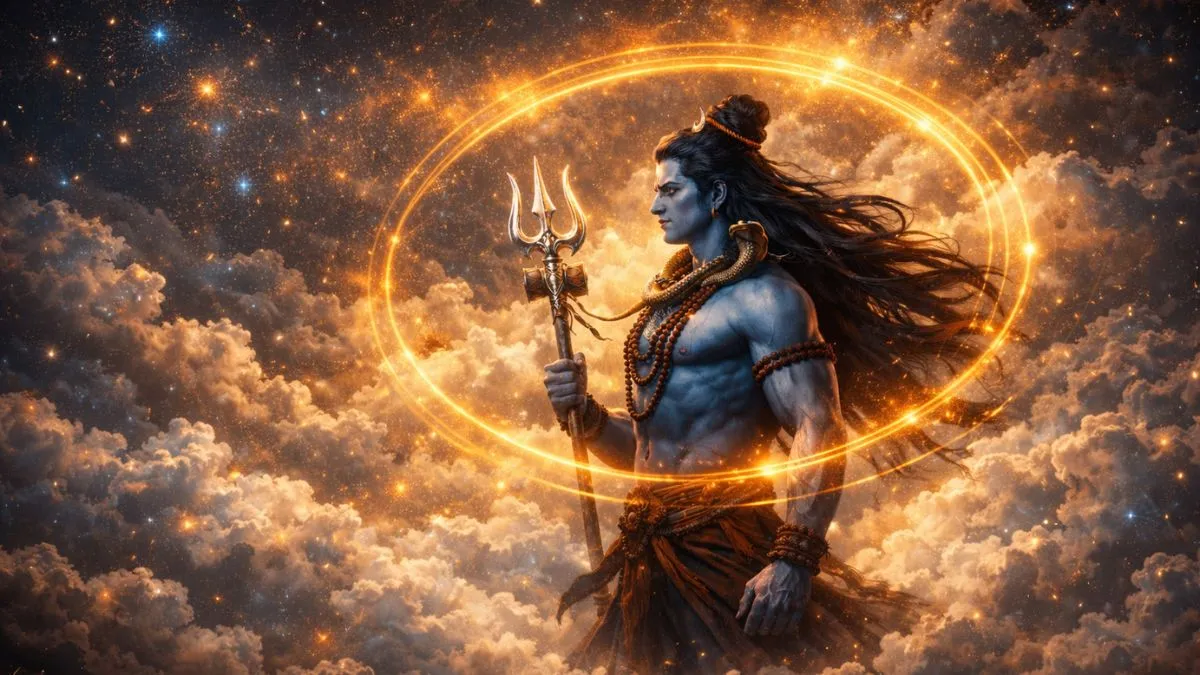
Mahashivratri, by default, carries spiritual weight through the entire day and night. Devotees fast, chant, visit temples, stay awake in prayer. But within all the observances, one ritual stands out in terms of depth and structure, the Char Prahar Puja. Considered the most spiritually significant form of worship on this night.
The belief is simple but powerful. If a devotee worships Lord Shiva sincerely through all four Prahars of the night, following proper rituals, prayers and offerings, wishes are believed to be fulfilled and blessings received in abundance. Which is why many people plan the night carefully rather than treating it as one single prayer window.
Mahashivratri 2026 Char Prahar Puja timings
Below are the four Prahar muhurats for Mahashivratri 2026. Each Prahar marks a distinct phase of the night and carries its own ritual rhythm.
| Prahar | Puja Time |
| First Prahar | 06:11 PM to 09:23 PM |
| Second Prahar | 09:23 PM to 12:35 AM |
| Third Prahar | 12:35 AM to 03:47 AM |
| Fourth Prahar | 03:47 AM to 06:59 AM |
Devotees who observe all four typically remain awake through the night, moving from one phase of worship to the next. Slow. Intentional. Repetitive in the most meditative way.
First Prahar Puja Vidhi on Mahashivratri
The opening Prahar sets the tone. Worship begins with Abhishek of the Shivalinga using water and milk. A cleansing, purifying start. Offerings usually include Belpatra, Bhang, Datura, fruits and white flowers. Each holds symbolic value in Shaivite worship. Chanting “Om Namah Shivaya” 108 times is recommended, creating a rhythmic devotional flow. The Prahar concludes with aarti performed using camphor.
Second Prahar Puja Vidhi Mahashivratri night worship
The second phase deepens the ritual. Here, the Shivling is anointed with curd and ghee, representing nourishment and devotion. Offerings continue, Datura, Bhang, fruits, flowers, sandalwood, Belpatra. Devotees are encouraged to present something fresh again. New fruit. New flowers. Chanting Shiva mantras remains central, and many choose to recite Shiva Stotra or Rudrashtakam during this Prahar.
Third Prahar Puja Vidhi and Abhishek method
This is often considered the most inward-looking phase of the night. The Abhishek is performed using water mixed with honey and sugar, symbolising sweetness and surrender. Offer sandalwood, Akshat, Datura, Belpatra and other sacred items. Meditation becomes more prominent here. Silent japa. Hymn singing. Mantra chanting. The atmosphere tends to be quieter, more contemplative than the earlier Prahars.
Fourth Prahar Puja Vidhi and final Abhishek
The final Prahar marks completion. The Shivling is bathed with Ganga jal or pure water in the concluding Abhishek. Offer fruits, naivedya, cannabis, dhatura, belpatra and flowers. Aarti with camphor follows once again. Many devotees close this phase with a prayer of forgiveness, seeking absolution for conscious and unconscious mistakes.
Important Mahashivratri Char Prahar Puja rules devotees follow
Across the four Prahars, Abhishek can be performed using milk, curd, sugarcane juice, honey or ghee, depending on personal capacity and tradition. However, using different substances in each Prahar is considered especially auspicious. It is also advised to offer something new during every Prahar. A different fruit. Fresh flowers. A renewed symbolic gesture each time. The repetition matters, but so does the freshness of offering.
Disclaimer: The information provided here is based on religious beliefs and popular traditions. There is no scientific evidence to support it. India TV does not vouch for the accuracy of any of the information.