- News
- Lifestyle
- Spirituality
- Can spirituality really improve mental health? Expert explains the connection
Can spirituality really improve mental health? Expert explains the connection
Mental health experts are increasingly exploring the connection between spirituality, mindfulness and emotional well-being in India. According to Dr Pritika Singh, practices such as meditation, yoga and self-awareness may support emotional balance alongside modern mental healthcare.
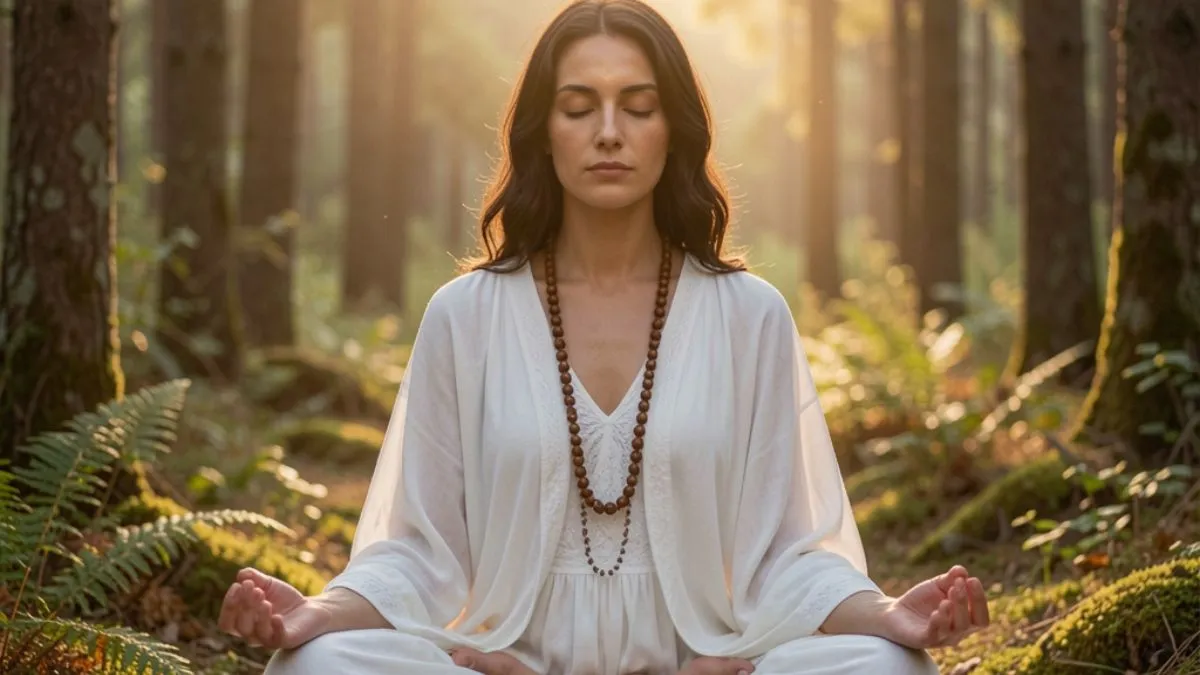
India is currently facing what many experts describe as a silent mental health crisis. According to estimates by the World Health Organization, nearly 197 million Indians are believed to be living with some form of mental illness, yet a large number still do not seek professional help.
However, while stigma, accessibility, and cost continue to be significant barriers, it has become evident that the role of spirituality, introspection, and self-reflection must also be considered in any discussion about the factors that affect emotional well-being.
"India has ancient traditions in meditation, yoga, and mindfulness, which can be very helpful in conjunction with contemporary mental health care," says Dr Pritika Singh, CEO of Prayag Hospitals, and an expert in mental health care.
Why are spirituality and mental health discussed together?
For thousands of years, India has had many practices in yoga, meditation, Vedanta philosophy, and Buddhist mindfulness techniques that have concentrated on emotional control, self-awareness, and introspection.
Currently, more research and studies are being carried out to determine whether such practices may complement therapy for stress, anxiety, and emotional exhaustion.
According to Dr Pritika Singh, it is essential to understand that the discussion is about how culturally familiar practices can aid in regulating emotions, rather than trying to make spirituality replace science.
Science’s perspective on the relationship between meditation and emotional wellbeing
In the recent two decades, there have been several studies indicating that mindfulness and meditation therapies can contribute to reducing symptoms of:
- Anxiety
- Depression
- Stress
- Emotional distress
- Post-traumatic stress
Another benefit of mindfulness is that it increases self-awareness and decreases rumination.
As per the expert, meditation techniques that involve mindfulness can allow people to monitor their emotions without being consumed by them.
Is there a way for meditation to affect your brain?
The mental health professionals suggest that neuroscience research has been more and more involved with investigating the impact of meditation on the brain.
According to research referenced by Dr Pritika Singh, functional MRI studies have shown that meditation practices may influence areas of the brain associated with:
- Emotional regulation
- Stress response
- Attention
- Self-awareness
These include regions such as the prefrontal cortex, amygdala and default mode network.
Why cultural relevance matters in mental healthcare
Experts also believe mental health treatment in India cannot always follow a completely “one-size-fits-all” Western approach.
Many Indians often describe emotional struggles through experiences connected to spirituality, social duties or emotional heaviness rather than clinical terminology alone.
Dr Singh says spiritual practices, prayer, rituals and community support systems often act as emotional anchors for people coping with grief, trauma or uncertainty.
Spirituality cannot replace professional treatment
At the same time, mental health experts strongly emphasise that spirituality should not be viewed as a replacement for psychiatric care or therapy.
Clinical conditions such as:
- Severe depression
- Bipolar disorder
- Psychosis
- Suicidal thoughts
still require professional mental health support and, in many cases, medical treatment.
The expert explains that integrating culturally familiar practices into mental healthcare may improve engagement, comfort and emotional support for patients, especially in India’s diverse social landscape.
As stress, burnout and emotional fatigue continue to rise in modern life, many people are turning towards mindfulness, yoga and meditation not only for spirituality, but also for emotional balance and self-regulation.
Also read: Numerology explained: How your Moolank may influence your personality and career