- News
- Lifestyle
- Spirituality
- Lakshmi Puja 2025 date and time: City-wise shubh muhurat and Diwali pujan vidhi
Lakshmi Puja 2025 date and time: City-wise shubh muhurat and Diwali pujan vidhi
Lakshmi Puja 2025 falls on October 20. Discover city-wise shubh muhurat, Diwali pujan vidhi, and rituals to seek Goddess Lakshmi’s blessings for prosperity.
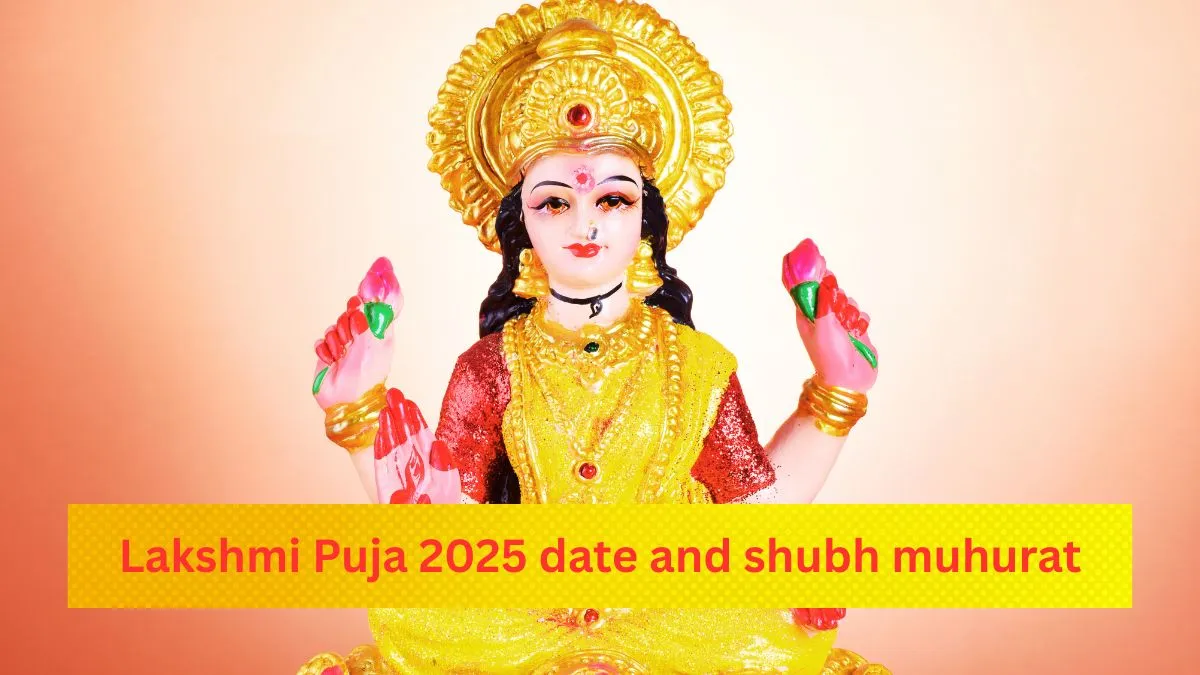
Lakshmi Puja 2025 will be observed on Monday, October 20, during the Amavasya Tithi of Kartik month.
The most auspicious time for worship this year falls in the evening hour between 7:08 PM and 8:18 PM, known as Pradosh Kaal. At that time, lamps flicker to life, the streets grow still, and families gather around their puja spaces, waiting for the first chant to begin.
Lakshmi Puja sits at the heart of Diwali. It’s the moment when people pause in the middle of a celebration to thank Goddess Lakshmi, bringer of wealth and calm fortune. Beside her sit Lord Ganesha and Goddess Saraswati—wisdom, learning, and luck coming together in one frame.
The belief is simple: if you pray during the right muhurat, the goddess hears you more clearly.
Also Read: Diwali 2025 festival calendar: Dates, puja timings, rituals from Dhanteras to Bhai Dooj
Lakshmi Puja 2025 Date and Time
Lakshmi Puja Date: Monday, 20 October 2025
Pradosh Kaal Muhurat: 05:46 PM – 08:18 PM
Lakshmi Puja Muhurat: 07:08 PM – 08:18 PM (1 hour 11 minutes)
Vrishabha Kaal (best sthir lagna): 07:08 PM – 09:03 PM
Amavasya Tithi: Begins 03:44 PM (20 Oct) – Ends 05:54 PM (21 Oct)
Lakshmi Puja 2025: Which Kaal is Most Auspicious for Puja?
Astrologers often point to Pradosh Kaal—the time just after sunset—as the moment when evening feels steady and divine.
When Vrishabha Lagna overlaps with it, the hour becomes especially still; tradition says wealth and serenity stay wherever prayers are offered then.
Laxmi Puja 2025 City-Wise Timings
Every city experiences its own sunset rhythm, so muhurats shift slightly.
- New Delhi: 07:08 PM – 08:18 PM
- Mumbai: 07:41 PM – 08:41 PM
- Ahmedabad: 07:36 PM – 08:40 PM
- Pune: 07:38 PM – 08:37 PM
- Chennai: 07:20 PM – 08:14 PM
- Bengaluru: 07:31 PM – 08:25 PM
- Kolkata: 05:06 PM – 05:54 PM (Amavasya overlap)
- Hyderabad: 07:21 PM – 08:19 PM
- Jaipur: 07:17 PM – 08:25 PM
- Chandigarh: 07:06 PM – 08:19 PM
- Noida/Gurugram: 07:07 PM – 08:19 PM
Lakshmi Puja Rituals and Preparations
- The ritual begins much before the first mantra. Homes are scrubbed clean, corners dusted, brass polished till it gleams. Rangoli powders spill a little on the floor; marigolds hang heavy on doorways.
- At the entrance stands a Mangalik Kalash, filled with water and topped with a coconut wrapped in red cloth.
- Inside, idols of Goddess Lakshmi and Lord Ganesha are placed on red cloth, while the Navgraha deities rest on white.
- Offerings include fresh flowers, sweets, fruits, coins, and the familiar mix of kheer batashe.
- Many families fast through the day, breaking it only after the evening puja.
- The ritual closes with the Lakshmi Aarti and the chant “Om Shreem Mahalakshmyai Namah.”
Lakshmi Puja Vidhi Step by Step for Auspicious Results
- Clean and decorate the puja area with rangoli and flowers.
- Place idols of Lakshmi, Ganesha, and Saraswati on a small platform.
- Light a ghee lamp; set diyas in every room.
- Offer flowers, fruits, sweets, and coins.
- Perform the sixteen-step Shodashopachara Puja, including incense, lamp, food, and prayer.
- Recite the Lakshmi Ashtottara Shatanamavali—her 108 names.
- Sing the Lakshmi Aarti together.
- End by sharing prasad, laughter, and the soft crackle of the first fireworks outside.
Significance of Lakshmi Puja on Diwali
- Lakshmi Puja marks the quiet centre of the Diwali week—the moment when light truly wins over darkness. People honour every kind of wealth: money, knowledge, harvest, livestock, even peace of mind.
- In business circles, it’s known as Chopda Pujan, the day new account books open and ledgers are touched with turmeric and flowers.
- Worshipping during Sthir Lagna is believed to keep the goddess’s presence steady through the months ahead.
As the lamps burn lower and the chants fade, the smell of ghee and marigold stays in the air—a small reminder that light doesn’t end when the puja does. It lingers quietly, like a blessing.