World Happiness Day: Why scrolling reduces happiness levels and what to do instead
On World Happiness Day, experts highlight how excessive scrolling can reduce happiness by triggering dopamine cycles, encouraging comparison, and reducing focus. Replacing passive scrolling with intentional offline activities can help improve mood and overall well-being.
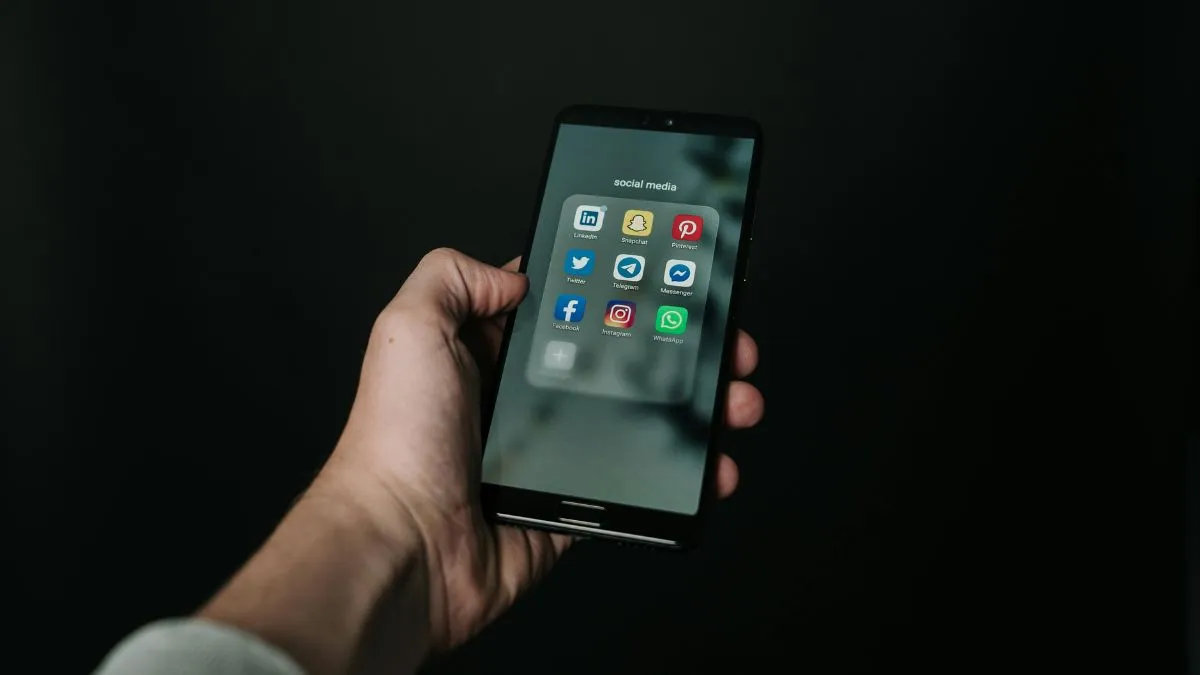
Doomscrolling often starts as a quick check...a few minutes of social media scroll before bed, during a break, or while waiting in line. But somehow, it rarely ends there. And more importantly, it rarely leaves you feeling better.
On World Happiness Day, it’s worth asking a simple question. If scrolling is such a big part of our daily routine, why does it often leave us feeling drained instead of happy?
The dopamine loop that keeps you hooked
Social media is designed to keep you coming back. “Platforms deliver unpredictable rewards, like a message, a like, or an interesting post, which activate the brain’s dopamine pathways,” explains Dr Murali Krishna, Consultant – Psychiatry & Counselling Services, Aster RV Hospital, Bangalore.
This creates a loop. You scroll, you get a small hit of reward, and you keep going. But instead of feeling satisfied, you often end up wanting more.
Why passive scrolling leaves you feeling low
Most of the time, scrolling is passive. You’re watching, reading, reacting, but not really engaging. “Passive consumption can lead to mental fatigue and a sense of time loss, often leaving people feeling unproductive or drained,” says Dr Krishna. That explains the familiar feeling of putting your phone down and wondering where the last 30 minutes went.
The comparison trap is real
Another reason scrolling affects happiness is comparison. Social media often shows curated, highlight-reel versions of life. Over time, this can distort reality. “Such content can make others’ lives appear more successful or fulfilling, which may impact self-esteem,” Dr Krishna notes.
Even when you know it’s not the full picture, the effect can still linger.
Scrolling reduces focus and satisfaction
Constantly switching between posts, videos, and updates affects attention span. “Rapidly shifting content fragments attention, making it harder to focus on meaningful tasks,” explains Dr Krishna. And when focus drops, so does the sense of accomplishment that comes from doing something fully.
What to do instead
The goal isn’t to quit scrolling completely. It’s to be more intentional. Start small. Set a timer when you open social media. Track how much time you actually spend on it. More importantly, replace some of that time with offline activities.
Reading a few pages of a book, going for a short walk, cooking something simple, or even calling a friend can feel more grounding than endless scrolling. These are small shifts, but they create a different kind of reward. One that lasts longer.
Scrolling isn’t the problem on its own. It becomes one when it replaces experiences that actually make you feel present and fulfilled. On World Happiness Day, the reminder is simple. Happiness is rarely found in endless feeds. It’s usually in the moments we almost scroll past.
Also read: 5 breathing techniques that can instantly calm your mind and improve focus