Kareena Kapoor's nutritionist shares 3 desi remedies to beat extreme heat; second one is also a beauty ritual
As Delhi-NCR temperatures touch 46°C, nutritionist Rujuta Diwekar has shared three traditional Indian remedies that may help cool the body naturally during extreme summer heat.
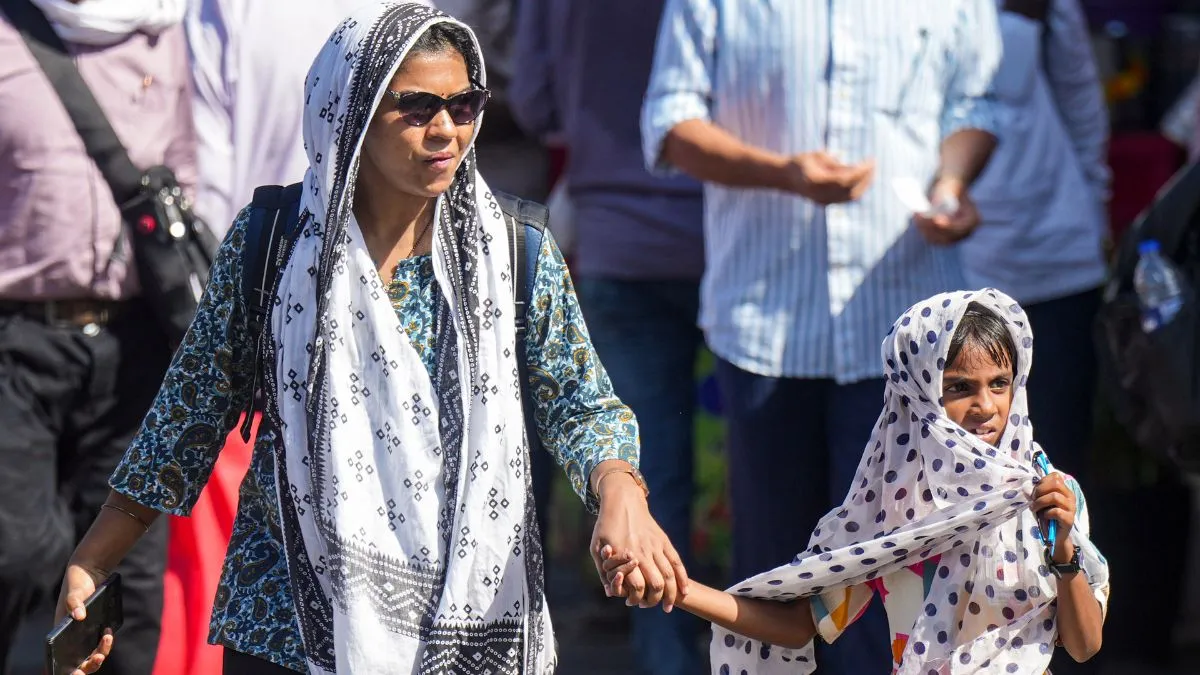
Delhi-NCR summers have started feeling less like a season and more like survival mode lately. With temperatures touching 46 degrees Celsius in several places, stepping outside for even ten minutes feels exhausting. Fans just push hot air around. Coolers help for a while. Air conditioners become non-negotiable. But even then, many people still feel drained, overheated and low on energy throughout the day.
That is probably why old-school Indian summer remedies keep making a comeback every year. Long before cooling gadgets took over homes, people relied on simple practices to cool the body naturally from within. Celebrity nutritionist Rujuta Diwekar recently revisited some of these traditional methods in an Instagram post shared on May 26.
Traditional Indian summer remedies recommended by Rujuta Diwekar
According to Rujuta, three simple things can help the body stay cooler during extreme heat. These include adding vetiver roots to drinking water, applying mehendi on the hands and drinking spiced buttermilk regularly during summer.
1. Wala or vetiver roots in drinking water
Rujuta suggested adding two or three wala, also known as vetiver roots, to a pot of drinking water.
According to her, the roots naturally add both sweetness and a cooling effect to the water. She also mentioned that the same roots can be reused for up to three days and later added to bathing water.
Calling it India's original infused water, she explained that many people struggle to drink enough plain water during summer because they crave some flavour or taste.
This is where wala roots help.
Rujuta also shared that people dealing with acne or dandruff may benefit from using wala roots. However, she added that people who frequently get headaches should avoid them.
"In earlier times, the hand-held fans used by Indians were also made of wala. And those curtains in North India or the grass that stays behind the cooler also come from wala roots. It naturally cools the house and also gives a nice fragrance in the air," she explained.
2. Mehendi on hands for natural cooling
The nutritionist also spoke about applying natural mehendi on the hands.
According to her, this is an old Indian technique many people grew up seeing but gradually stopped practising over time.
She explained that mehendi not only cools the body naturally but also creates a feeling of slowing down mentally during hectic summer days.
For many people, it is also connected with nostalgia, festivals and quieter routines that feel slightly forgotten now.
3. Buttermilk or chaas with spices
Rujuta described buttermilk or chaas as an absolute summer essential.
According to her, people should ideally drink it two to three times a day during peak summer.
She explained that whey found in buttermilk contains protein, calcium and vitamin B12. She also highlighted that it works as a prebiotic, probiotic and postbiotic.
But according to her, the biggest benefit is its ability to help correct electrolyte imbalance caused by dehydration and extreme heat.
"Whey [in buttermilk] contains protein, calcium, and B12. Now we know it also works as a prebiotic, probiotic, and postbiotic. But the most important thing is that it corrects the electrolyte imbalance caused by dehydration and heat. If you add a little salt, a little asafoetida, and a little cumin powder to buttermilk and take it with your food, digestion is also easy, loss of appetite (lack of appetite) does not occur, the stomach feels flat, and the skin glows," she shared.
According to Rujuta, these traditional remedies are simple enough to practise at home and may help people manage dehydration and overall wellness naturally during harsh summers.
She also pointed out that while individuals can make small lifestyle changes themselves, policymakers also need to focus more seriously on protecting homes and cities from extreme overheating.