Think your khichdi is basic? NHS surgeon shares a protein-and-fibre upgrade that’s easy on the gut
Khichdi is comfort food, but it can be more than that. An NHS surgeon explains how pairing rice with beans, lentils, and a few gut-friendly add-ins can turn this everyday dish into a meal rich in protein, fibre, and digestive support.
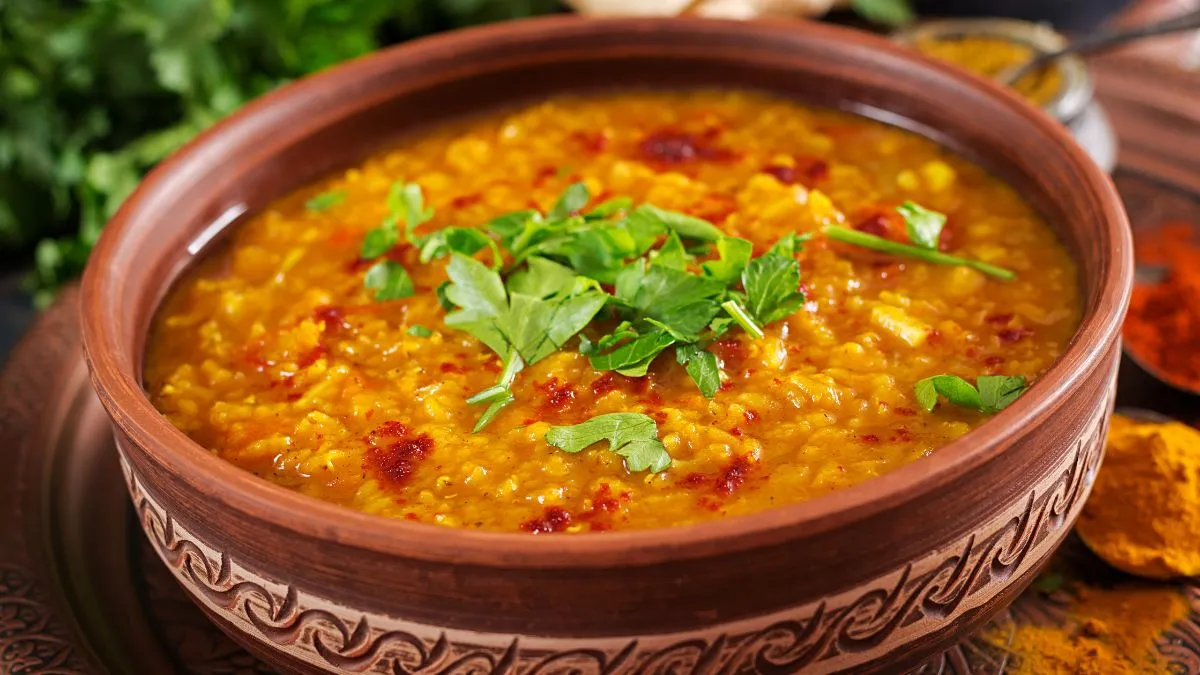
Khichdi has always lived in that quiet corner of Indian food. The bowl you reach for when nothing else feels right. When the stomach needs a break. When flavour takes a back seat and comfort does the driving.
What often gets missed is how easily this everyday dish can be nudged into something more substantial. Not fancy. Not complicated. Just smarter. That’s the idea shared by Dr Karan Rajan, an NHS surgeon and health educator, who explained in an Instagram video how a simple khichdi can quietly turn into a protein-and-fibre heavyweight.
Why this version of khichdi supports digestion and gut comfort
Khichdi works because it is gentle by default. Soft textures. Warm temperature. Easy digestion. Dr Rajan points out that when you keep the base simple and balanced, the gut doesn’t have to work overtime. Especially useful when digestion feels fragile.
How combining rice with beans and lentils boosts protein and fibre
Rice on its own is mostly carbs. Helpful, but incomplete. By pairing it with a mix of lentils and beans, the nutritional profile shifts completely. “If you love white rice, one serving of this is almost 40 g of protein and 30 g of fibre,” Dr Rajan said. Together, they create a more filling, more rounded meal that actually lasts.
What makes this khichdi easier on sensitive guts
One reason lentils get blamed unfairly is preparation. Dr Rajan advises washing rice, beans, and lentils before cooking. This can slightly reduce FODMAP content, which matters for people with bloating or gut sensitivity. He explains that this allows “deep fermentation in your colon” while staying kinder on digestion. A small step. A noticeable difference.
The simple add-ins that help feed gut microbes
Once the basics are sorted, the extras come in. Frozen spinach. Garlic. Ginger. Ingredients that don’t shout, but do a lot behind the scenes. They’re “loaded with polyphenols and bioactive compounds that support microbial diversity and help calm inflammation,” Dr Rajan shared. He also adds onions, chilli, and what he calls “a grandma’s dosing of ghee” to help absorb fat-soluble vitamins.
Why protein and fibre work better together than apart
There’s often a strange competition between protein and fibre. It doesn’t need to exist. Dr Rajan makes it clear they serve different roles and work best side by side. “This is my version of the beautiful Indian dish khichdi,” he said, adding that it provides all essential amino acids and enough fibre to keep digestion moving smoothly.
ALSO READ: US-based gastroenterologist rates popular breakfast options. Here’s how idli-dosa ranked