Most people waste half their nutrients without realising it, nutritionist explains
Eating healthy doesn’t guarantee better nutrition. A nutritionist explains how cooking methods, food pairings and everyday habits can cause you to lose up to 50 per cent of nutrients, and the simple fixes that actually improve absorption.
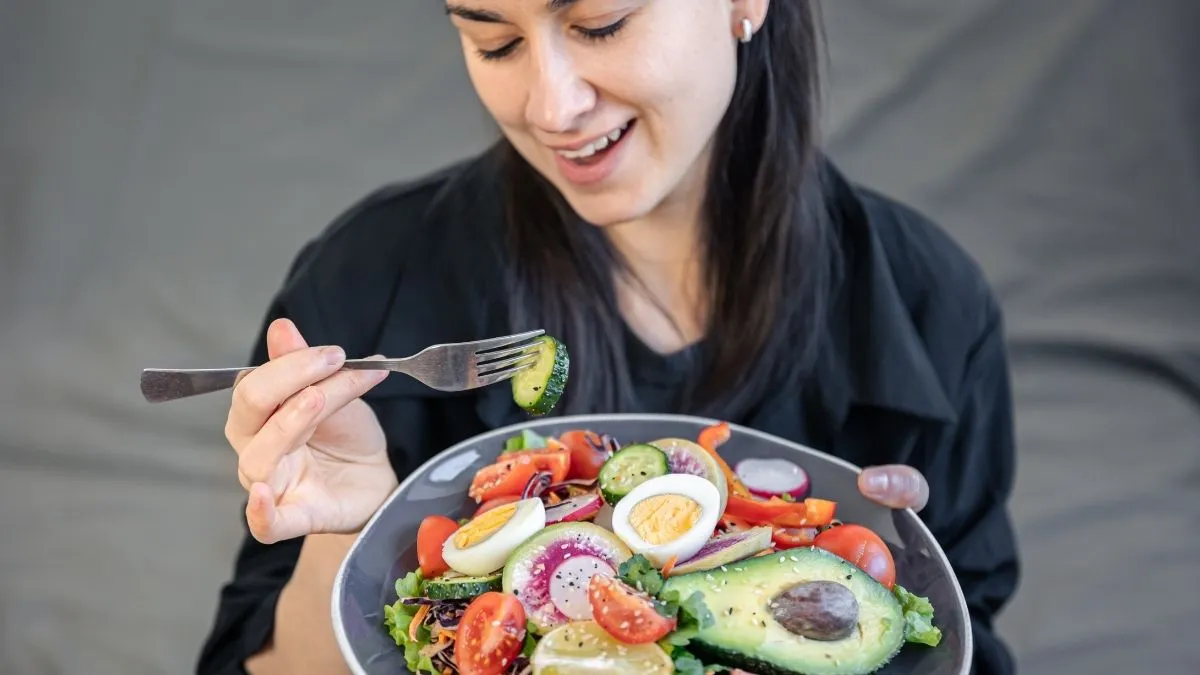
You could be eating salads daily, loading your plate with vegetables, lentils and whole foods, and still missing out on a significant chunk of their nutritional value. The reason isn’t food quality, but how those foods are prepared and paired.
According to Mohita Mascarenhas, Nutritionist and Weight Loss Coachsmall, small everyday food habits can quietly block nutrient absorption, even in otherwise healthy diets. The fix doesn’t require supplements or superfoods, just smarter cooking and timing. Here’s what actually makes the difference.
Why cooking carrots and beets matters more than eating them raw
Raw vegetables are often assumed to be the healthiest option. But with carrots and beets, cooking changes the equation. Steaming or lightly cooking these vegetables increases the bioavailability of beta-carotene and antioxidants. Heat breaks down rigid plant cell walls, making these nutrients easier for the body to absorb. Adding a small amount of fat, like ghee or butter, further improves absorption of fat-soluble vitamins.
Raw isn’t always better. Sometimes, it’s just harder to digest.
Tea and coffee can block key minerals, timing matters
Tea and coffee contain polyphenols that interfere with the absorption of iron and zinc. Yes, even green tea. Having them with meals or immediately after can significantly reduce how much of these minerals your body actually uses. The simplest fix is spacing them out, keeping at least a 60-minute gap before or after meals. Same cup. Smarter timing.
Add lime to iron-rich meals for better absorption
Vitamin C plays a powerful role in iron absorption, boosting it by up to three times. This is especially important for plant-based iron sources, which are naturally harder for the body to absorb. Adding lime or lemon juice to meals containing spinach, lentils, beans, or beetroot can make a measurable difference. It’s a small habit with outsized benefits, particularly for those prone to low iron.
Why do vegetables need fat on the plate
Vitamins A, D, E and K are fat-soluble. Without fat, they pass through the body underutilised. Adding healthy fats like olive oil, ghee, nuts or seeds to vegetable dishes helps the body absorb these vitamins properly. This doesn’t mean heavy cooking, just intentional pairing. A drizzle can do more than a detox.
Soaking and fermenting grains improve mineral uptake
Grains and legumes contain phytates, natural compounds that bind to minerals such as iron, zinc and calcium, reducing absorption. Soaking dals and beans, fermenting batters, or sprouting where possible helps break down these phytates. Traditional food practices weren’t just cultural, they were quietly nutritional. Sometimes, Grandma knew best.
Mushrooms need sunlight, not just seasoning
Mushrooms are one of the few plant-based sources of vitamin D, but only when exposed to sunlight. Letting sliced mushrooms sit in direct sunlight for 30–60 minutes before cooking can significantly boost their vitamin D content. It’s a simple step most kitchens skip, and an easy win for bone and immune health.
Why oxalate-rich foods are better cooked
Oxalates bind to minerals like calcium, iron and magnesium, reducing their absorption. Foods such as spinach, beetroot and leafy greens are high in oxalates. Cooking these foods lowers oxalate levels, making minerals more accessible to the body. Eating them raw all the time may look virtuous, but it isn’t always effective.
Eating well isn’t just about what is on your plate. It’s about preparation, pairing and timing. Without these, even the healthiest foods can underdeliver. Nutrition isn’t complicated; it’s contextual. And once you know these small rules, your food starts working harder for you, not against you.
Also read: Paneer or tofu? A dietician breaks down the better protein choice