Why protein bars and salads may be triggering digestive issues
Doctors say many commonly consumed “healthy” snacks like protein bars, seeds, salads, and fermented foods may still trigger bloating, acidity, and digestive discomfort in sensitive individuals. Experts explain why gut health is highly personalised .
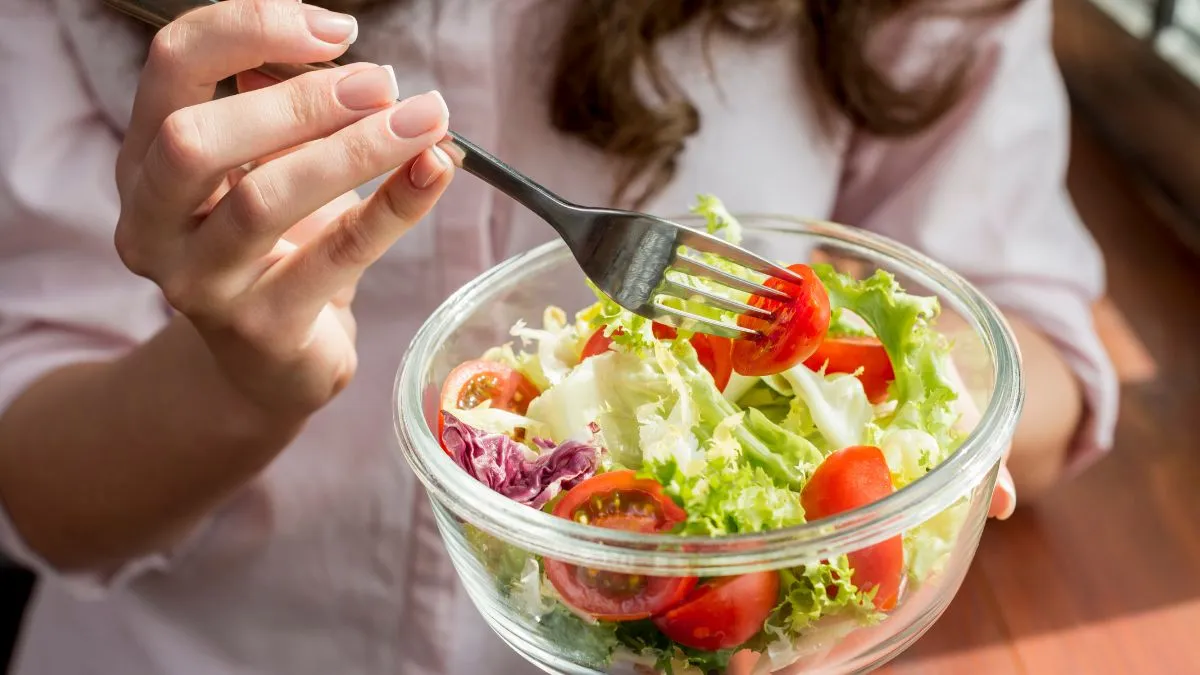
Healthy snacking has become part of everyday wellness culture. Granola bars, protein snacks, raw salads, seeds, yoghurt bowls, and high-fibre cereals are often seen as “safe” choices for better digestion and overall health.
But doctors say many people are unknowingly experiencing bloating, acidity, heaviness, and digestive discomfort because of the very foods they believe are helping them. The reason is simple: Gut health is not one-size-fits-all.
Why healthy foods can still trigger discomfort
“It is quite common for patients to complain of bloating, acidity, heaviness, or irregular bowel movements even when they are eating a healthy diet,” says Dr Mansi Nigam, Consultant Physician at Kailash Deepak Hospital. According to her, foods generally considered healthy can still be difficult to digest for some individuals, especially when eaten in large quantities or introduced too quickly. These include:
- High-fibre cereals
- Protein bars
- Legumes
- Cruciferous vegetables
- Dairy-based snacks
- Raw salads
- Seeds
For people with IBS, lactose intolerance, gastritis, or sensitive digestion, these foods may trigger gas, bloating, and abdominal discomfort.
The gut microbiome plays a bigger role than people realise
Gut health is closely linked to the microbiome, the community of bacteria living in the digestive system. “A healthy gut microbiome helps break down complex carbohydrates and fibre through fermentation,” explains Mr Pranshul Aggarwal, Founder of LivLively. This fermentation process produces beneficial compounds called short-chain fatty acids that support digestion and gut lining health.
Even probiotics can backfire sometimes
Foods like curd, kefir, and fermented snacks are widely promoted for better digestion. And while they can support gut health, experts say suddenly increasing probiotic intake may temporarily worsen discomfort in sensitive individuals.
The same applies to foods rich in FODMAPs, such as garlic, onions, and wheat, which may irritate people already dealing with digestive sensitivity or IBS.
The hidden problem with many ‘healthy’ packaged snacks
Not everything labelled healthy is actually gut-friendly. Even healthy foods can become difficult for the body to handle when digestive habits are inconsistent.
So what actually helps?
Experts suggest:
- Introducing fibre gradually
- Staying hydrated
- Watching portion sizes
- Tracking trigger foods
- Choosing minimally processed snacks
- Avoiding sudden dietary extremes
Most importantly, digestive health should be personalised rather than trend-driven.
“There is no one-size-fits-all diet when it comes to gut health,” says Dr Nigam. A food being healthy does not automatically mean it will suit your gut. Sometimes, the healthiest thing you can do is understand what your body actually tolerates instead of blindly following wellness trends.