Going gluten-free? Cardiologist with 40 years of experience shares simple Indian swaps that actually work
Dr Alok Chopra, Founder-Director and Consultant Cardiologist at Aashlok Hospital, explains why going gluten-free does not require packaged substitutes or imported foods. Sharing simple Indian swaps, he says traditional Indian meals are already largely gluten-free when chosen mindfully.
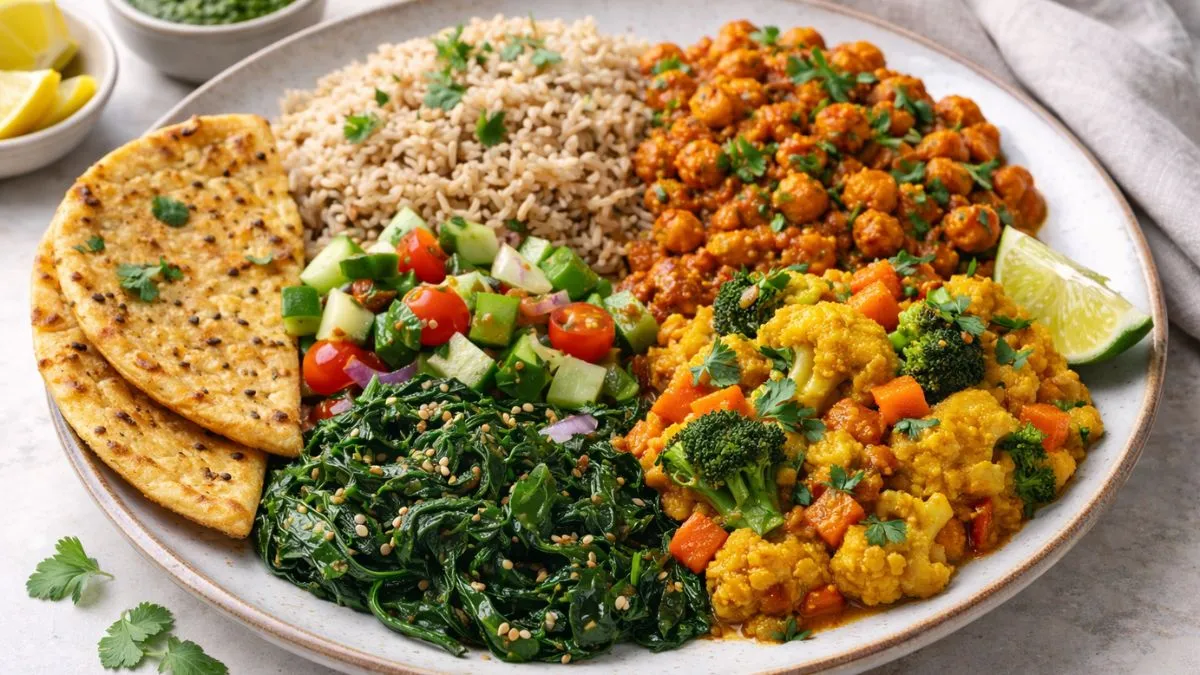
Gluten sensitivity is being talked about more than ever. For many people, the first reaction is to blame wheat and reach for packaged gluten-free foods. Breads. Biscuits. Labels that promise relief. But modern wheat is often heavily processed, which can make its gluten harder on the gut. At the same time, many store-bought gluten-free foods are even more processed and, nutritionally, not much of an upgrade.
The upside is simpler than it sounds. Going gluten-free does not mean giving up familiar food or building meals around expensive substitutes. With the right choices, it fits easily into a traditional Indian diet. No dramatic overhaul required.
Dr Alok Chopra, Founder-Director and Consultant Cardiologist at Aashlok Hospital with over 40 years of experience, shared a practical guide on Instagram on January 28, focusing on how to approach gluten-free eating without overcomplicating it. As he put it, “Gluten-free should be about health, clarity and balance, not just restriction.”
Why packaged gluten-free food isn’t always better
Dr Chopra points out that the problem sits on both sides. Modern wheat is often highly processed, which can make its gluten more irritating. But many gluten-free products are also heavily processed, simply in a different way.
“Going gluten-free isn’t just about avoiding wheat, it’s about choosing the right replacements,” he explains. When gluten is stripped out through processing, what remains is “often poor in nutrition, even harder on the body than natural wheat.” So removing gluten alone doesn’t automatically make food gentler or healthier.
Indian food already does most of the work
One of the biggest misconceptions, according to Dr Chopra, is that going gluten-free means importing alternatives.
“If you’re going gluten-free, eat Indian, not imported,” he says. “You don’t need fancy gluten-free bread. Indian food is already 80 percent gluten-free, if you choose right.” Most traditional meals already rely on grains and staples that don’t contain gluten. It’s less about replacement. More about selection.
It’s not just about cutting out roti
Removing wheat is only one part of the picture. What matters just as much is what fills the gap.
Dr Chopra stresses that many foods sold as gluten-free have been processed so heavily that they lose nutritional value in the process. In some cases, they end up being tougher on the body than the foods they replace. The shift, he suggests, should be towards natural, familiar options. Not packaged stand-ins.
Simple swaps that don’t feel like a compromise
The changes Dr Chopra recommends are practical. Easy to live with. Nothing exotic.
Wheat roti: Switch to jowar roti, bajra roti, or rice
Bread: Replace with idli, dosa, or poha
Biscuits: Choose roasted chana, fruits, or peanuts
These are not “alternatives” in the strict sense. They’re foods people already eat.
What still fits comfortably on the plate
Beyond swaps, Dr Chopra lists everyday foods that sit well within a gluten-free Indian diet.
Grains: Rice, jowar, bajra, ragi, makka
Proteins: Dal, chana, rajma, dahi, paneer, eggs
Vegetables: All vegetables
Fats: Ghee, coconut oil, mustard oil
No special section at the grocery store needed. Just awareness.
The takeaway
As Dr Chopra sums it up, “Indian food was gluten smart long before the world went gluten free.” The idea isn’t restriction. Or perfection. It’s choosing foods that already make sense. Eating in a way that feels familiar. And letting the diet work with you, not against you.
Disclaimer: Tips and suggestions mentioned in the article are for general information purposes only and should not be construed as professional medical advice. Always consult your doctor or a dietician before starting any fitness programme or making any changes to your diet.
ALSO READ: Stop fearing carbs: These foods keep you full and support weight loss, says fitness coach