Sugar, protein and superfoods: How to eat right during cancer treatment
From sugar fears to superfood cures, cancer nutrition is full of myths. An oncologist explains what really matters during cancer treatment, and why balanced, personalised diets support recovery better than restrictive food rules.
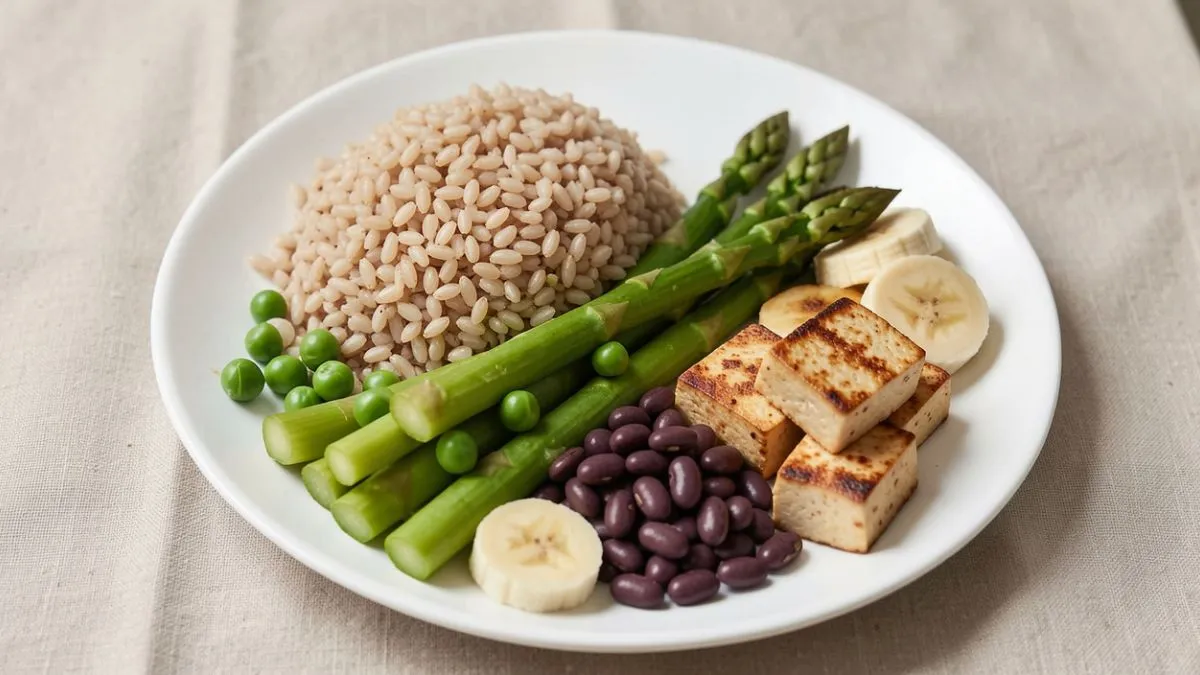
Nutrition is an essential part of cancer care, but it is also one of the most misunderstood. From WhatsApp forwards to well-meaning relatives and viral “healing diets”, patients are often overwhelmed by advice that sounds reassuring but is rarely backed by medical evidence.
“As a medical oncologist, I often see patients arrive already fearful of food,” says Dr Sneha Kommineni, Consultant – Medical Oncology, Aster RV Hospital, Bangalore. “Much of this anxiety comes from misinformation, partial scientific reports, anecdotal success stories, and unverified online claims, which can lead to harmful dietary restrictions during treatment.”
Cancer isn’t just genetic, your food habits matter too
First of all, many people believe that cancer is caused by genetics and that lifestyle changes are of little consequence. The truth is that while genetics does play a role in some cancers, most are caused by environmental and lifestyle factors. Migration studies have shown that cancer patterns change when people move between countries, highlighting the strong influence of diet, lifestyle, and environment.
Myth 1: Sugar causes cancer and must be avoided
Cancer cells use glucose, but so do healthy cells. There is no scientific evidence that eliminating sugar can stop cancer growth. Eliminating all carbohydrates can result in weight loss, weakness, and muscle wasting, which is dangerous during treatment. The best approach is a balanced diet that emphasizes complex carbohydrates like whole grains, fruits, and vegetables rather than refined sugars.
Myth 2: Protein feeds tumours
Protein is not the villain it is often made out to be. During cancer treatment, adequate protein intake helps repair tissues, supports immune function, and prevents muscle wasting. A low protein diet can also increase the severity of treatment reactions and the recovery time.
The patient is advised to include appropriate protein sources like lentils, dairy products, eggs, fish, meat, nuts, and seeds in the diet.
Myth 3: One “superfood” or special diet can cure cancer
There is no single food or type of diet that can treat cancer. A holistic medical approach may be needed, such as surgery, chemotherapy, radiation, or biological therapy. Extreme diets, such as juice fasts or extreme diets, may result in the deprivation of the body of vital nutrients and may even affect treatment outcomes.
Myth 4: Loss of appetite means eating less
Loss of appetite is a frequent symptom of cancer and its treatment, but eating less can contribute to weakness and malnutrition. Rather than eating three meals a day, patients can eat small, frequent portions of high-energy food. Smoothies, enriched foods, and nutritional supplements can also be used to provide calories and protein when patients have little appetite.
Why restrictive diets can do more harm than good
In addition, the body is already stressed from the treatment. An unproven diet plan for cancer patients can further stress the body, especially when patients are experiencing symptoms of fatigue, weight loss, and muscle wasting. Caloric and protein intake is necessary for the body.
There is no single “cancer diet”
A balanced, flexible, and personalised approach, guided by oncologists and trained oncology dietitians, remains the safest and most effective strategy.
Good nutrition during cancer is about supporting the body, not fighting the disease through food alone. Being cautious of miracle claims and relying on evidence-based advice can make a meaningful difference to treatment and recovery.
Also read: Eating for eyesight: Expert-approved foods for long-term eye health