Alanganallur Jallikattu today: 5 fascinating facts from Tamil Nadu’s biggest bull-taming event
As Chief Minister MK Stalin attends the Alanganallur Jallikattu this Pongal, the spotlight turns to what makes this event special. From its ‘Blue Riband’ status to untamed bulls being rewarded, Alanganallur continues to define Tamil Nadu’s most iconic tradition.
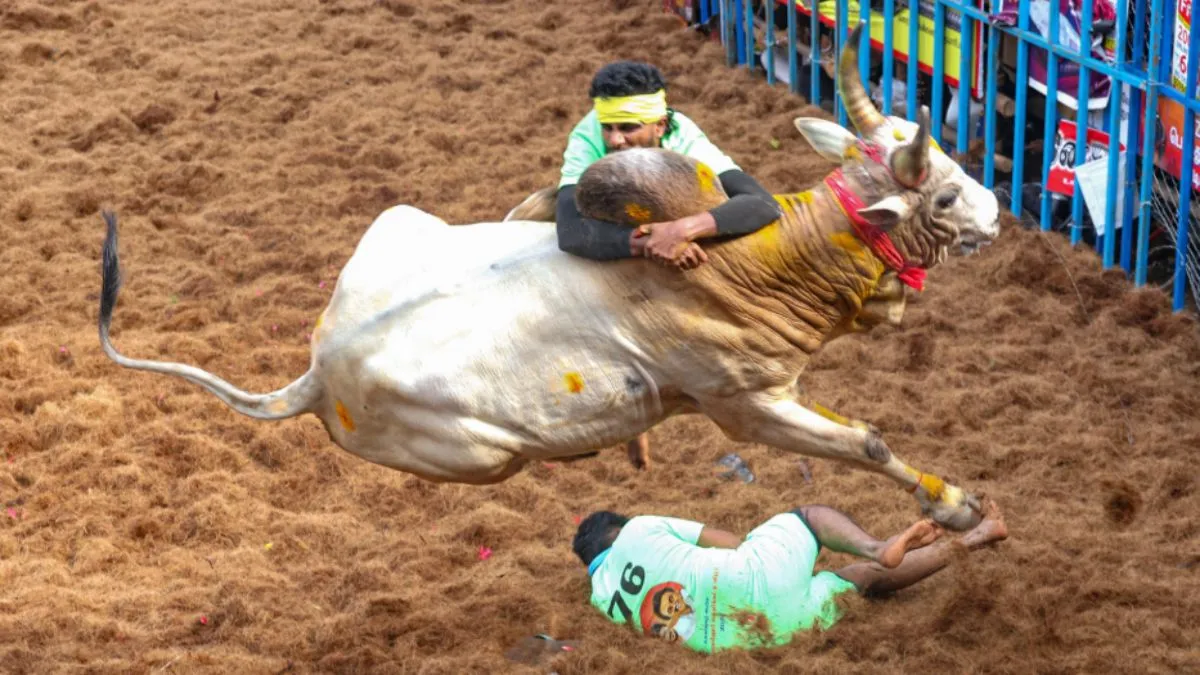
The world-famous Alanganallur Jallikattu saw a familiar face this Saturday, with the Chief Minister of Tamil Nadu, MK Stalin, attending the bull-taming event in Madurai district. His visit marked the high point of the Pongal celebrations, with Alanganallur hosting the final and most-watched Jallikattu of the season.
With crowds packing the galleries and bulls lining up behind the vaadivasal, today’s event is not just about competition. It is also about history, people, and traditions that refuse to fade. So here’s a look at some fascinating things that make Alanganallur stand apart.
Why Alanganallur is called the ‘Blue Riband’ of Jallikattu
Among Jallikattu venues, Alanganallur sits at the very top. Often called the ‘Blue Riband’ event, it is considered the most prestigious stage for bull tamers. Winning here carries a different weight. This is the event that draws the biggest crowds, top bull owners, and the sharpest attention from across Tamil Nadu and beyond. It traditionally concludes the Pongal Jallikattu calendar, making it the grand finale every year.
Over 1,000 bulls and 600–700 tamers registered in a single event
Few sporting events anywhere see numbers like this. At Alanganallur, over 1,000 registered bulls and around 600 to 700 bull tamers take part in a single day. The scale is intense. Bulls are released one after another, round by round, while tamers wait their turn. It is tightly regulated, but still raw, fast, and physically demanding.
Bulls that go untamed are also declared winners and rewarded
This is one part many outsiders don’t expect. In Jallikattu, it is not only the tamer who can win. Bulls that escape without being held are also treated as champions. Such bulls are honoured, and their owners receive prizes. The message is clear. Strength, stamina, and spirit are respected on both sides of the arena.
Prizes range from cars and tractors to gold and household items
The reward list at Alanganallur is long and varied. Top performers can win cars or tractors, while other prizes include gold rings, gold coins, silver items, two-wheelers, almirahs, and steel utensils. Even participants who don’t top the charts often receive traditional gifts like veshtis and sarees. It’s competitive, but also deeply inclusive.
Bulls are not used for farming and are raised purely for tradition
One thing organisers and locals stress is this. Jallikattu bulls are not farm animals. They are raised separately, often for years, as part of family tradition and pride. Many are linked to temple vows or inherited customs. These bulls are symbols, not tools. That’s why owners invest time, care, and emotion into them.
Jallikattu at Alanganallur isn’t just a sport you watch and move on from. It stays with you. And once you see it up close, you understand why it still matters.
ALSO READ: Hyderabad drone show 2026: Gachibowli Stadium dates, ticket prices and booking details