Why your hair feels frizzy and dull in winter, and how to fix it naturally
Winter often leaves hair frizzy, dull, or falling more than usual. The dry, cold air and indoor heating rob your scalp of moisture. But with simple steps like gentle washing, rich masks, silk scarves, and a nourishing diet, your hair can stay smooth and healthy all season.
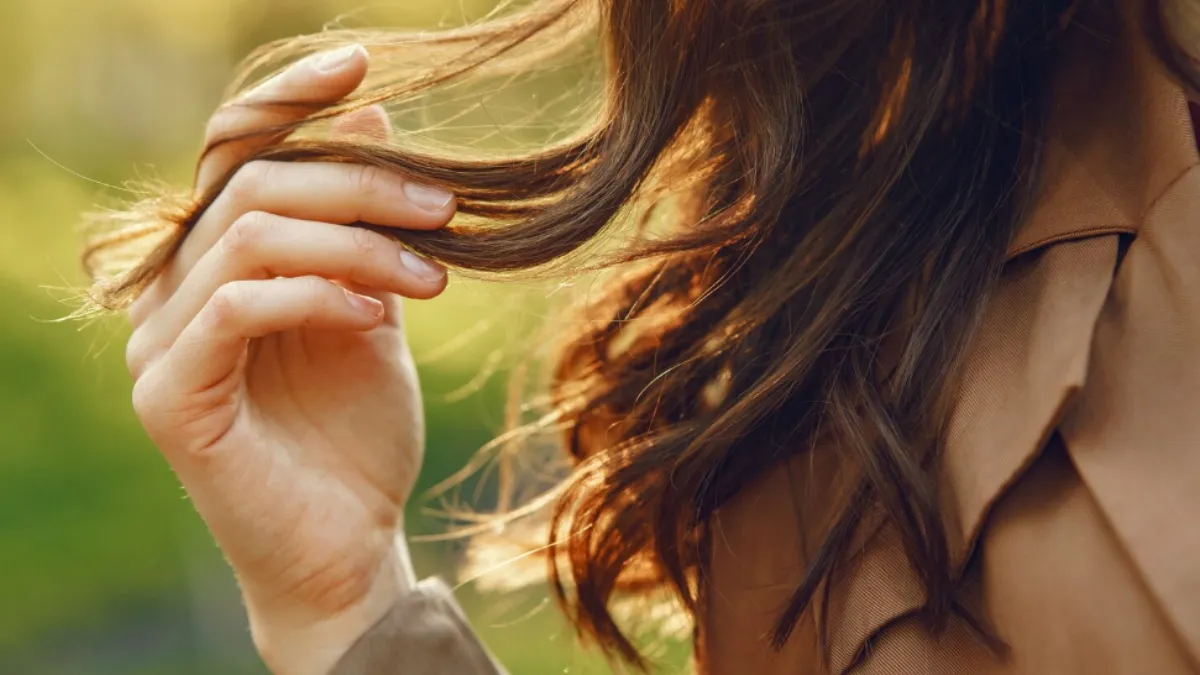
With the decline in environmental temperature and onset of dry winds, hair begins to show SOS signs such as frizziness, hair fall, dull hair, etc. But is the cold weather actually damaging to the hair? Yes, it is true! When you understand the actual mechanism of how it happens, it will enable you hair from protection throughout the winter weather.
How does cold weather affect your hair?
According to Dr Ameesha Mahajan, Cosmetic Dermatologist & Founder, Eden Skin Clinic, when the cold and dry air of the outside environment gets mixed with the indoor heating systems, it strips away the moisture from hair and scalp. Additionally, the lack of humidity makes the hair cuticles lift, becoming more prone to frizziness and breakage. More causes of hair strands weakening include the use of blow dryers and hot water showers.
How cold weather impacts your scalp health
Your scalp also suffers — reduced oil production and poor blood circulation in cold weather can lead to dandruff, itching, and tightness. For those with curly or textured hair, the dryness can be even more severe, causing brittleness and split ends.
Common signs of hair damage during winter
- Hair feels rough or straw-like
- More tangling or static
- Flaky or itchy scalp
- Dull, lifeless look despite washing
- Increased hair fall or breakage
If these sound familiar, your hair is craving hydration and protection.
Best haircare tips to keep your hair healthy all winter
- Opting for healthy shampoo and conditioner - Opt for sulfate-free, moisturising formulas containing ingredients like argan oil, shea butter, or keratin. These help lock in hydration and strengthen the cuticle.
- Refrain from overwashing of face - Washing too often strips natural oils that protect your scalp. Aim for 2–3 times a week, and use lukewarm water — hot water can dry out both hair and scalp.
- Weekly deep conditioning - A rich hair mask once a week can replenish lost moisture. Look for ingredients like avocado oil, hyaluronic acid, or proteins that repair damage.
- Hair protection from heat and friction - Use a heat protectant before styling and minimise heat tools. Swap cotton pillowcases for silk or satin to reduce breakage while you sleep.
- Covering hair while moving out - Wearing a hat or scarf shields your hair from cold winds. For extra care, wrap your hair in a silk scarf before wearing a wool cap — it reduces friction and frizz.
- Hair needs nourishment internally, too - Your diet dictates your body’s status. When you consume a wholesome diet that is rich in omega-3 fatty acids, biotin and protein, such as eggs, lentils, green leafy vegetables, etc., your hair’s shine and strength are maintained.
Winter haircare summary and final thoughts
Winter doesn’t mean that your hair should look dull and fragile. When you rightly hydrate yourself, protect the hair as well as the scalp and gently handle them, your hair will tend to remain smooth, strong and healthy even when the weather is harsh. Just treat your hair right, likewise skin, keep it well nourished, and it will shine bright.
ALSO READ: Shampoos vs oils: What really helps an oily scalp?