Women’s hearts don’t attack the same way, here’s what you need to know
Well, even if we might think that heart attack symptoms in men and women are similar then we are wrong because it differs. Here in this article, we have mentioned why and how heart attack symptoms in women are different.
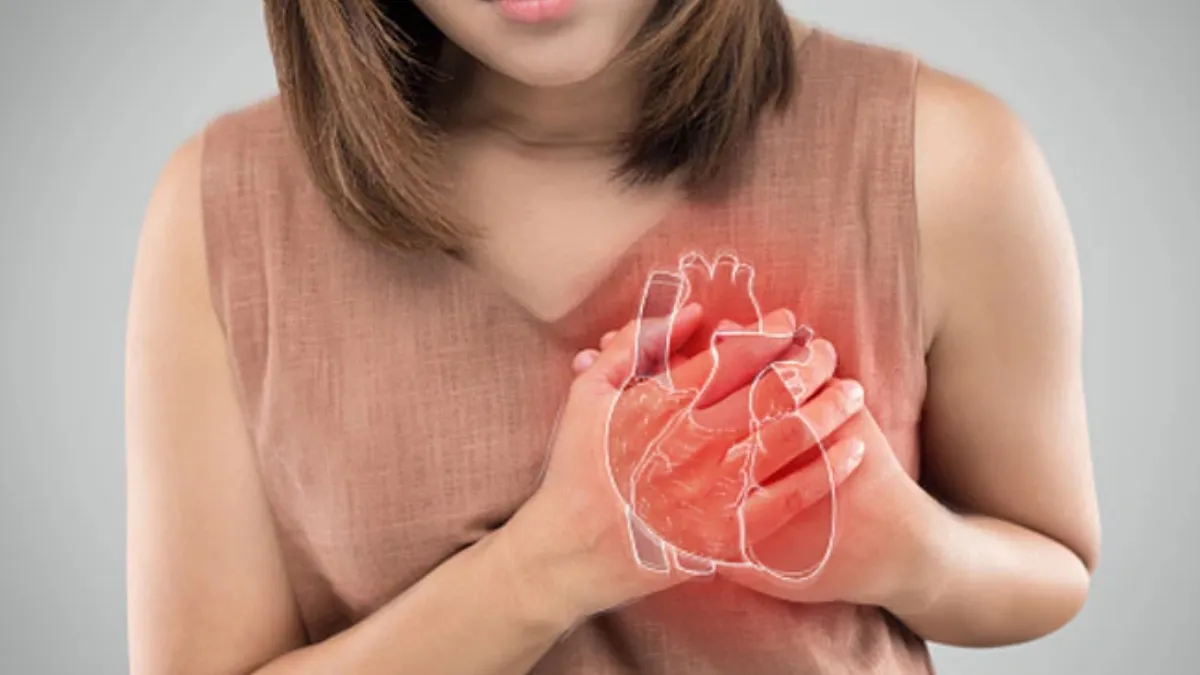
Heart attacks in women don't present the same way as men. There is a very popular saying that “Women are from Venus and Men are from Mars”, and it is sometimes true as long as the heart is concerned. Many people believe that heart attacks in women are quite uncommon. This is not true, especially for women with long-standing diabetes and those who smoke in the premenopausal age group, as they are prone to heart attacks and other cardiac events. However, after post-menopause, the ratio of heart attacks between men and women becomes comparable.
Why Heart Attack Symptoms in Women Are Different?
When we spoke to Dr Anand R Shenoy, Consultant - Interventional Cardiology, Manipal Hospital Old Airport Road, he said that women, especially in the premenopausal age group, present with atypical symptoms of a heart attack like nausea and diaphoresis (excessive sweating without heat or exercise). Many of them even develop symptoms similar to a gastric-related dyspeptic issue. These atypical presentations of acute coronary syndrome or acute heart attack are very common in women and if not investigated properly, they can be missed easily.
Therefore, it becomes very crucial for the public to recognise those atypical symptoms of heart attacks in menopausal women. About 70 to 80% of women don't have the typical heart attack symptoms observed in men, such as a freezing sensation, chest pain, compression in the retrosternal area, and diaphoresis. So, when there are unusual symptoms like lightheadedness, sweating, nausea, or vomiting, they may indicate a heart attack and thus need to be reported to a doctor at the earliest. These patients will undergo an ECG examination which will determine or rule out a cardiac event and outline the course of the treatment that may or may not involve cardiac care.
ALSO READ: Heart disease causes: 5 common risk factors of coronary heart disease