WHO declares Ebola outbreak in Congo and Uganda a global health emergency
The WHO has declared the Ebola outbreak in Congo and Uganda a public health emergency of international concern after more than 300 suspected cases and 88 deaths were reported. Health officials say the outbreak involves the rare Bundibugyo strain of Ebola, which currently has no approved vaccine.
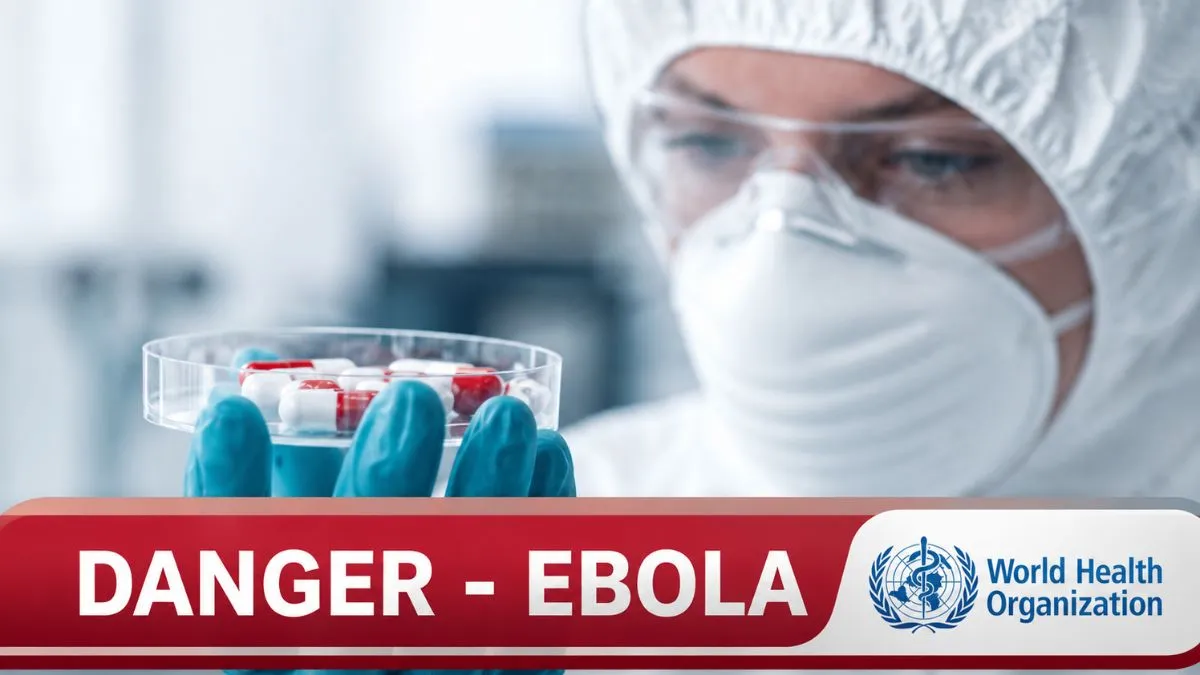
The World Health Organization (WHO) has declared the ongoing Ebola outbreak in Congo and Uganda a public health emergency of international concern after hundreds of suspected cases and dozens of deaths were reported across the region. WHO Director-General Tedros Adhanom Ghebreyesus announced the emergency declaration on Sunday following growing concerns over the spread of the rare Bundibugyo strain of the Ebola virus.
According to the WHO, more than 300 suspected cases and 88 deaths have been linked to the outbreak so far, with most cases reported from Congo’s eastern Ituri province near the borders of Uganda and South Sudan.
WHO says outbreak is not a COVID-style pandemic
According to report by AP, the WHO clarified that the current Ebola outbreak does not meet the criteria for a pandemic emergency similar to COVID-19. The organisation also advised countries against imposing international travel or border restrictions at this stage.
Health officials say there are still significant uncertainties regarding the true number of infections and the full geographic spread of the disease. “There are significant uncertainties regarding the true number of infected persons and geographic spread associated with this event,” Tedros Adhanom Ghebreyesus said while announcing the emergency declaration.
What is the Bundibugyo virus?
Health authorities confirmed that the current outbreak is caused by the Bundibugyo virus, a rare strain of Ebola for which there are currently no approved vaccines or therapeutics. Although Congo and Uganda have previously witnessed multiple Ebola outbreaks, this is reportedly only the third time the Bundibugyo variant has been identified.
The virus was first detected in Uganda’s Bundibugyo district during the 2007-2008 outbreak, which infected 149 people and caused 37 deaths. Another outbreak linked to the same strain was later reported in Congo in 2012.
How does Ebola spread?
Ebola is a highly contagious viral disease that spreads through direct contact with infected bodily fluids such as:
- Blood
- Vomit
- Semen
- Sweat
- Other bodily secretions
The disease is considered rare but extremely severe and often fatal if not managed quickly.
Symptoms may include:
- Fever
- Weakness
- Muscle pain
- Vomiting
- Diarrhoea
- Internal or external bleeding in severe cases
Uganda confirms imported cases from Congo
Uganda has confirmed at least two cases linked to the outbreak. According to officials, one patient who had travelled from Congo died at a hospital in Uganda’s capital, Kampala. WHO later confirmed that a second case had also been identified in Kampala. The organisation added that the two patients appeared unrelated despite both travelling from Congo.
Why WHO’s emergency declaration matters
A public health emergency of international concern is WHO’s highest level of global health alert and is intended to encourage international coordination, funding and rapid response efforts. However, global responses to such declarations have not always been equally effective. During the mpox outbreak, which was declared a global emergency in 2024, experts had raised concerns that affected African countries still struggled to quickly access testing kits, medicines and vaccines despite the international alert.
The latest Ebola declaration is now expected to push governments, donor agencies and international health organisations towards stronger surveillance, treatment and containment measures in affected regions.
Also read: PCOS gets a new name after experts say it never reflected the real condition