Using your phone before bed? Ophthalmologist warns how it affects your eyes and sleep
Using your phone before sleeping can strain your eyes and disturb sleep. An ophthalmologist explains how blue light, reduced blinking and late-night scrolling affect eye comfort, and shares simple tips to protect your eyes at night.
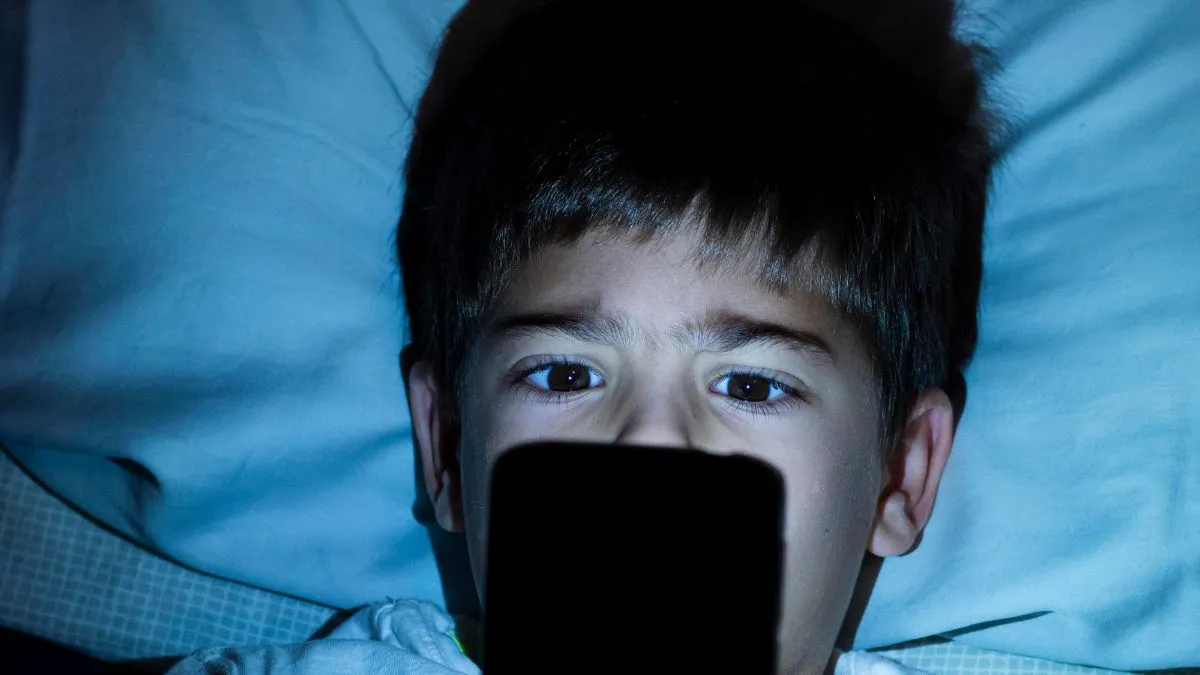
For many of us, the day doesn’t really end until we’ve scrolled through social media, replied to a few messages or watched “just one more” video in bed. Our phones have become the last thing we look at before sleeping, often in the dark, inches away from our eyes.
But according to Dr Jayashree K Bhat, Consultant – Ophthalmology, this nightly habit can quietly strain the eyes and interfere with sleep quality. As innocuous as this habit seems, using the phone before going to sleep can make eyes dry, tired, sore, and sleepless.
What does using a phone at night do to your eyes
The use of a phone in a dark or poorly lit room puts additional strain on the eyes. The pupils in a dark room have wider exposure to light since they are always expanded in a dark environment. When a bright phone screen suddenly becomes the primary light source, it can cause immediate discomfort and long-term strain.
Another major factor is blue light exposure. Phone screens emit blue light, which affects the brain’s pineal gland, the part responsible for regulating the sleep-wake cycle. Blue light delays the release of melatonin, the hormone that signals your body it’s time to sleep. While blue light doesn’t permanently damage the eyes, it keeps the brain alert when it should be winding down.
Eye strain, dryness and headaches: What really happens
Night-time phone use forces the eyes to focus intensely on a small, bright screen against a dark background. Holding your phone too close to your face only adds to the strain. Over time, this constant near-focus can leave your eyes feeling heavy, blurry and tired, and for some people, it can even trigger headaches or migraines by the end of the day.
Another issue doctors often flag is how little we blink while using our phones. When you’re scrolling or watching videos, blinking slows down without you realising it. This reduces the eye’s natural lubrication, leading to dryness, burning and that gritty, uncomfortable feeling, something that feels far more intense at night when the eyes are already exhausted.
How phone use before bed affects sleep quality
Explaining the wider impact, Dr Jayashree Bhat says, “The effect of night-time screen use goes beyond eye discomfort. Blue light sends signals to the brain to stay alert, making it harder to feel sleepy. Even if you do manage to fall asleep, the quality of sleep may not be restful.”
This is why many people notice they take longer to drift off after using their phones, or wake up feeling oddly tired despite spending enough hours in bed. Scrolling through messages, reels or videos keeps the brain mentally switched on, instead of allowing it to slow down before sleep.
Simple ways to protect your eyes at night
You don’t need to completely cut out your phone; a few mindful changes can help. Doctors suggest limiting screen use 30 to 60 minutes before bedtime, switching on night mode or blue-light filters in the evening, and lowering screen brightness to suit the room’s lighting. If night-time phone use is regularly followed by headaches, blurred vision, persistent dryness or eye discomfort, it’s worth consulting an eye specialist.
Disclaimer: Tips and suggestions mentioned in the article are for general information purposes only and should not be construed as professional medical advice. Always consult your doctor or a dietician before starting any fitness programme or making any changes to your die
Also read: Are screens fueling seizures? Neurologist explains how digital overload affects the brain