Outdoor workouts and pollution: What a pulmonologist with 15 years’ experience wants you to know
Should you exercise outdoors when pollution spikes? Pulmonologist Dr Shraddha Kulkarni explains the safest workout timings, when to avoid the outdoors, and how to adjust your routine to protect your lungs during high AQI days.
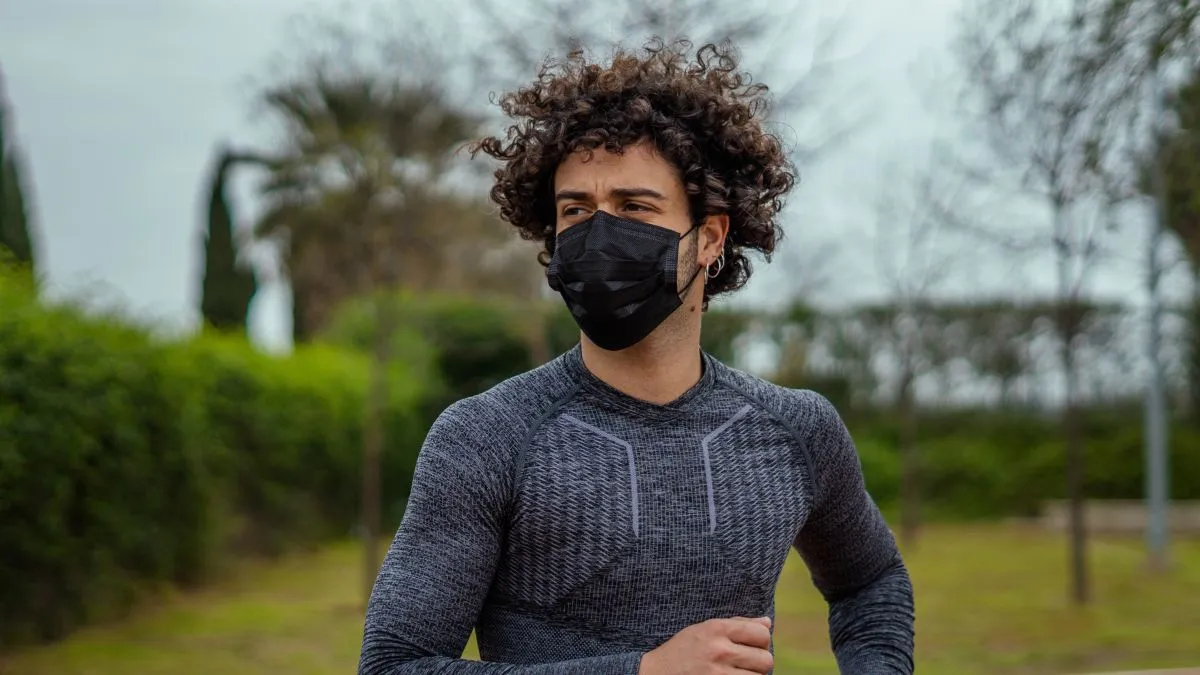
When the AQI shoots up, and the sky turns a dusty grey, most people begin to worry about their commute, their skin, or the day’s visibility. What they rarely consider is this: should they still be exercising outdoors? According to Dr Shraddha Kulkarni, Consultant, Chest Medicine at Jupiter Hospital, Pune, your workout time and location matter far more than you think when the air gets polluted.
Exercising makes you breathe deeper and faster, pulling more air and more pollutants into your lungs. Fine particulate matter like PM2.5 and PM10, along with nitrogen dioxide and ozone, can slip deep into the respiratory tract, irritating airways and decreasing lung capacity. Remember, when it comes to choosing the right window to step out is not just about comfort; it is also about protecting long-term respiratory health.
Early mornings may not be as safe as you think
Traditionally, early morning workouts are considered the gold standard. But during pollution spikes, pulmonologists caution against this habit. Overnight, cold and still air traps pollutants closer to the ground, making the 5 to 8 am window surprisingly hazardous.
Dr Kulkarni notes that pollution disperses better once the sun is up and the atmosphere begins to warm. As a result, late morning (before 11 am) and afternoon hours (11 am to 3 pm) often have comparatively lower pollution levels and are safer for outdoor activity, provided the AQI is not in the “poor” or “very poor” range.
But even then, she emphasises one non-negotiable rule: always check real-time AQI before stepping out. The safest time can change daily depending on weather, traffic and wind patterns.
If the AQI is poor, your workout belongs indoors.
When pollution crosses safe limits, Dr Kulkarni says it is better to switch indoors altogether. Outdoor activity on high-AQI days can trigger immediate symptoms such as coughing, breathlessness, chest tightness and throat irritation even in otherwise healthy adults.
For indoor workouts, she advises:
- Using an air purifier if available
- Ensuring proper ventilation
- Performing only lower-intensity exercise to lessen the respiratory stress
Those with asthma, allergic bronchitis, COPD, or recurrent respiratory infections should be particularly concerned. Even short outdoor exertion on days when pollution is high may provoke bronchospasm or wheezing.
Small habits to protect your lungs while staying active
Dr Kulkarni explains simple lung-friendly habits:
- Hydration keeps the mucus thin and reduces airway irritation
- Proper warm-ups prepare the airways for exertion
- Cooling down after exercise allows the respiratory system to recover
- Exposures can be radically reduced by avoiding busy roads and peaks in traffic-related pollution.
Pollution is here to stay for many urban centres, but that doesn’t mean fitness should take a back seat.
Disclaimer: Tips and suggestions mentioned in the article are for general information purposes only and should not be construed as professional medical advice. Always consult your doctor or a dietician before starting any fitness programme or making any changes to your diet.
Also read: Is Delhi’s drinking water safe? An expert explains the health risks of uranium exposure