Can fatty liver really be reversed without medication? Here's the truth
Fatty liver disease can often be reversed naturally through lifestyle correction, says wellness expert Dr Narendra K Shetty. From cutting sugar and improving sleep to walking regularly, small daily changes may significantly improve liver health.
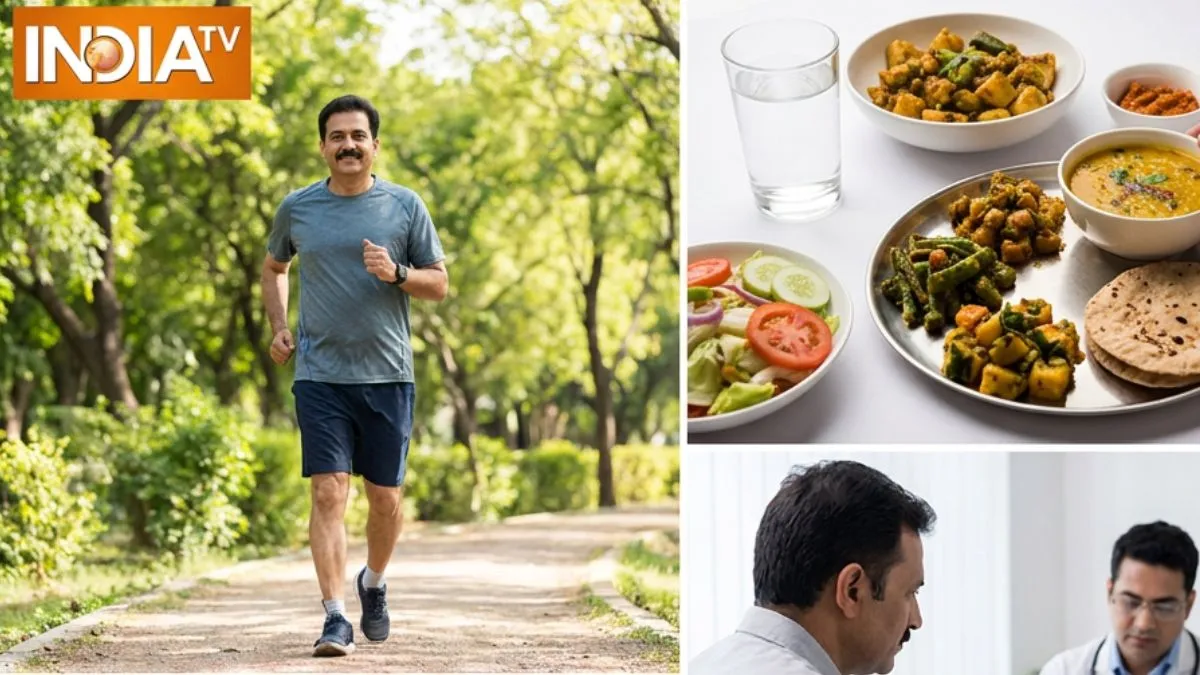
Fatty liver disease is increasingly becoming one of the most common lifestyle-related health concerns globally, especially among people dealing with obesity, sedentary work culture and unhealthy eating habits. Experts say many patients are now discovering fatty liver accidentally during routine scans, often without experiencing noticeable symptoms beforehand.
According to Dr Narendra K Shetty, Chief Wellness Officer at Kshemavana Naturopathy and Yoga Centre, many people immediately look for medication after seeing a fatty liver diagnosis on their ultrasound reports. However, he says lifestyle correction remains the most effective solution in the early stages. “Lifestyle is the best medicine,” the expert explained while discussing how fatty liver develops silently over time because of modern lifestyle habits.
Why fatty liver is becoming increasingly common
Experts say prolonged sitting, processed foods, sugary drinks, late-night eating and lack of physical activity are major contributors to non-alcoholic fatty liver disease (NAFLD). Over time, excess fat gradually begins accumulating inside liver cells, often without pain or obvious warning signs. “This thing is everywhere now,” Dr Shetty noted while explaining how routine lifestyle habits slowly affect liver health over the years.
The reassuring part, however, is that early-stage fatty liver can often be reversed naturally if lifestyle changes are followed consistently.
Sugar reduction may play a major role
According to the expert, excessive sugar intake is one of the biggest hidden causes behind rising fatty liver cases. Soft drinks, packaged juices, biscuits and excessive sugar consumption can overload the liver with fructose, which then gets stored as fat. Dr Shetty explained that many patients notice improvement in liver enzymes simply by significantly reducing sugar intake from their daily diet.
Walking and movement help the liver recover
The doctor also stressed that expensive fitness routines are not always necessary for recovery. “Thirty-minute brisk walk, six days weekly. Enough,” he said while discussing how regular walking can help reduce liver fat naturally. He also encouraged simple strength-building activities such as yoga, squats and push-ups because muscles help improve glucose regulation and reduce stress on the liver.
Sleep and stress also affect liver health
Experts say poor sleep and chronic stress can worsen hormonal imbalance involving cortisol and insulin, indirectly affecting fat storage and liver inflammation. “Six to seven hours minimum sleep is essential,” Dr Shetty advised, while also recommending limiting late-night screen exposure.
Weight loss and alcohol control matter too
The expert explained that gradual weight reduction can significantly improve fatty liver. Even losing around 7–10% of body weight may help reduce liver fat and inflammation over time. Crash diets, however, may stress the liver further instead of helping recovery. He additionally warned that alcohol consumption, even occasional weekend drinking, may slow down liver recovery.
Real food over processed food
Dr Shetty encouraged focusing on simple home-cooked meals involving vegetables, fruits, eggs, fish and whole grains while reducing deep-fried and heavily processed packaged foods. “Your kitchen and walking shoes work harder than any prescription ever will,” he concluded while explaining how consistent lifestyle correction remains central to reversing early fatty liver naturally.
Also read: Why everyday body pain is becoming increasingly common among young professionals