Holi eye safety: Common mistakes people make after celebrations
Ophthalmologists advise gentle rinsing with clean water as the first step after Holi eye exposure. Experts warn against rubbing eyes or using unprescribed drops and highlight warning signs such as persistent pain, blurred vision and light sensitivity that require medical care.
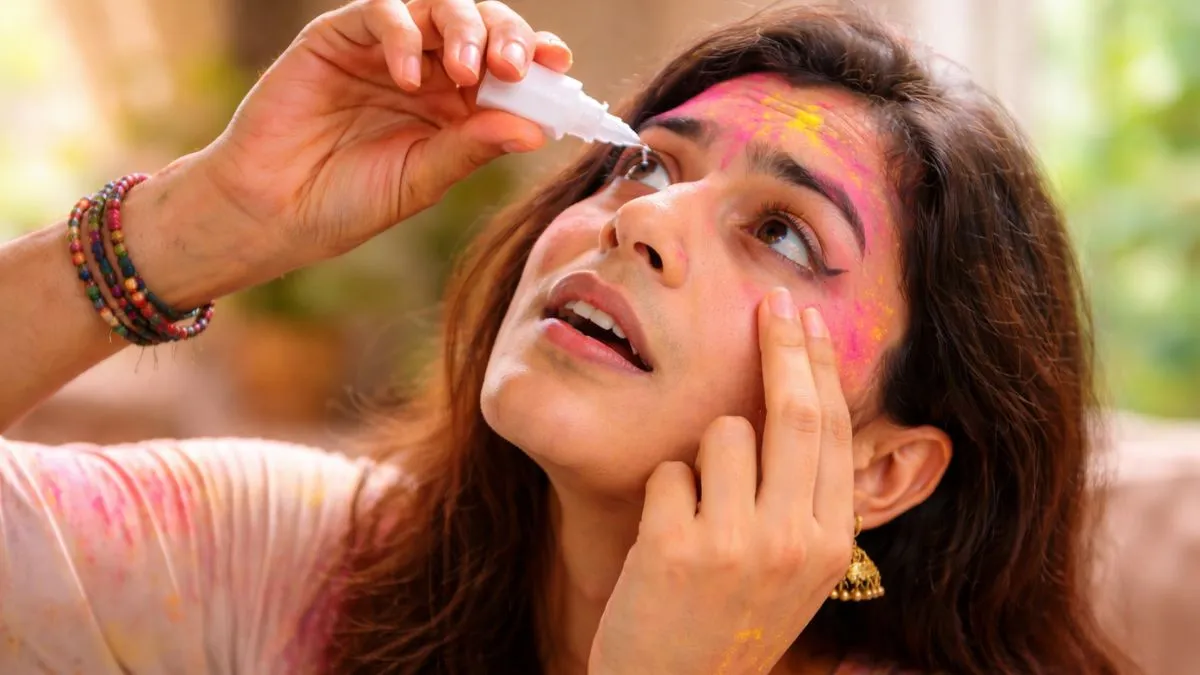
Holi may be over, but for many, the real trouble begins hours later with burning, redness and watery eyes. Synthetic colours, dust and constant exposure to water can irritate the delicate surface of the eye, especially if proper care is ignored.
Ophthalmologists say the biggest mistake people make after Holi is reacting in panic. The instinct to rub the eyes or immediately use random eye drops often does more harm than good. Here is what experts advise.
Immediate first step: Gentle rinsing comes first
According to Dr Hardik Parikh, Ophthalmologist at Global Eye Clinic, the safest and most important first step is simple rinsing. People should avoid rubbing their eyes, as rubbing can push colour particles deeper into the surface and even cause corneal abrasions. Instead, gently rinse the eyes with clean running water or sterile saline solution. Perform multiple gentle splashes to help wash away residual particles.
Extremely cold or very hot water should be avoided, as temperature extremes can worsen irritation.
Should you use eye drops? Not always immediately
Many people reach for over-the-counter eye drops as their first solution. However, not every situation requires medication. For mild irritation, preservative-free lubricating eye drops can help soothe dryness and flush out fine particles. These are generally safe for temporary relief.
However, antibiotic or steroid eye drops should never be used without medical advice. Improper use can mask symptoms and delay correct treatment. So-called whitening drops may temporarily reduce redness, but they do not treat the underlying irritation and may worsen dryness with repeated use.
Warning signs you should not ignore
Seek medical attention if you experience:
- Persistent pain
- Blurred or dim vision
- Excessive tearing
- Sensitivity to light
- A gritty sensation lasting several hours
These symptoms may indicate corneal scratches, allergic reactions or chemical injury from synthetic colours.
As emphasised by Jeevan Kasra, Chairman at Steris Healthcare, people often worsen the problem by self-medicating. Rose water, homemade solutions and unapproved eye drops can increase swelling and irritation. If symptoms persist beyond a few hours, a doctor may prescribe lubricating drops or anti inflammatory medication depending on the severity.
Special caution for contact lens users
Contact lens wearers should immediately remove their lenses if exposed to colour. Lenses can trap chemical particles against the cornea, increasing the risk of abrasions and infection. If irritation continues for more than three hours after exposure to chemical colours, professional evaluation is strongly advised.
Prevention is better than cure
Protective eyewear during Holi can significantly reduce the risk of injury. Avoid direct splashes to the face and choose safer, non-toxic colours wherever possible. After celebrations, gentle cleansing is key. Avoid forceful rubbing and resist experimenting with home remedies.
After Holi, less is often more when it comes to eye care. Start with gentle rinsing. Use lubricating drops only if needed. Avoid self-prescribed medication. And when in doubt, consult an ophthalmologist. Your eyes recover quickly when treated right, but a few careless steps can turn minor irritation into a bigger problem.
Disclaimer: Tips and suggestions mentioned in the article are for general information purposes only and should not be construed as professional medical advice. Always consult your doctor or a dietician before starting any fitness programme or making any changes to your diet.
Also read: Colours in your eyes during Holi: A step by step first aid guide