Holding in your pee too often? A urologist explains the long-term damage it can cause
Holding urine regularly can stretch the bladder, increase UTIs and weaken bladder muscles. Urologist Dr Anil Kumar T explains why delaying bathroom breaks may harm long-term urinary health, and how often you should really pee.
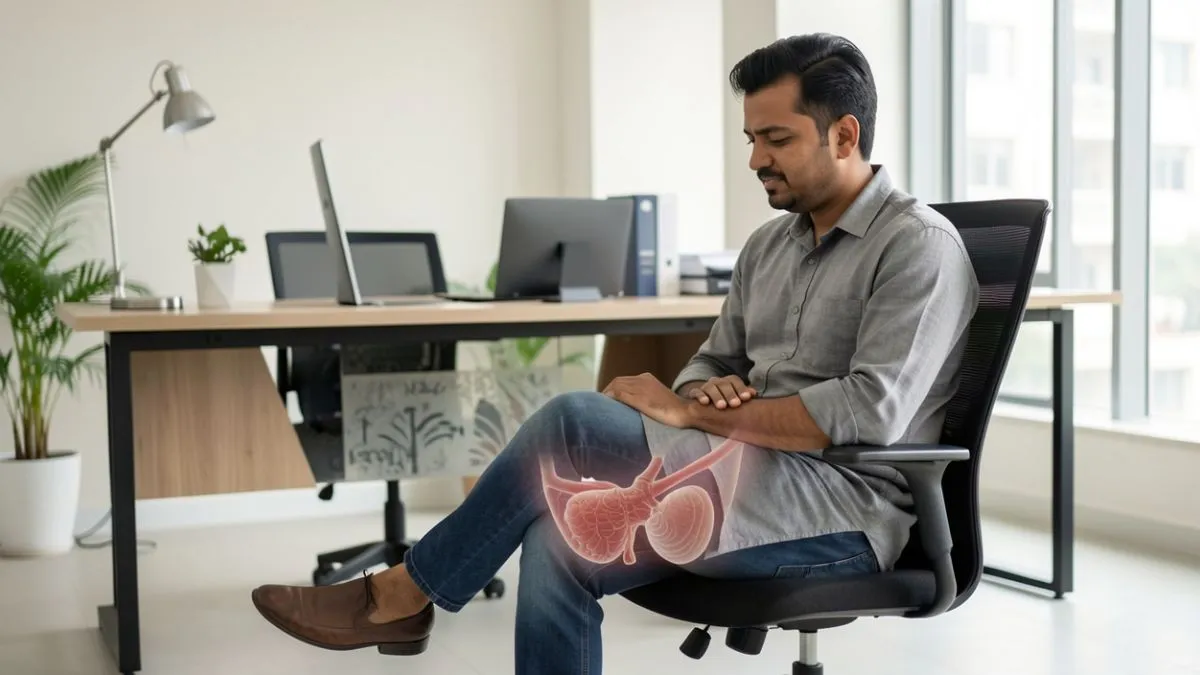
In a world of back-to-back meetings, traffic jams and “I’ll just finish this first” workdays, ignoring the urge to pee has become oddly normal. But according to urologists, your bladder is keeping score, and it doesn’t forget.
Dr Anil Kumar T, urologist, uro-oncologist and robotic surgeon, recently took to Instagram to explain why regularly holding urine isn’t just uncomfortable; it can have long-term consequences for bladder and urinary health. So what actually happens when you delay that bathroom break? And how often should you be going? Let’s break it down.
What happens when you hold urine for too long?
Your bladder is designed to stretch and contract, but only within reason. Holding urine repeatedly forces it to over-stretch, which can weaken its natural elasticity over time. “When the bladder is excessively stretched, its ability to empty completely reduces,” explains Dr Anil Kumar T. “This leads to urine retention, which creates the perfect environment for infection.” In simpler terms, when urine sits in the bladder longer than it should, bacteria get comfortable. And bacteria, once settled, tend to invite friends.
The real health risks doctors worry about
Occasionally holding urine won’t cause harm. Doing it regularly can. According to urologists, chronic urine retention can increase the risk of:
Recurrent urinary tract infections (UTIs)
Incomplete emptying allows bacteria to multiply, making infections more frequent and harder to treat.
Bladder stones
Concentrated, stagnant urine can crystallise, leading to stone formation.
Reduced bladder function
Over time, bladder muscles may weaken, causing difficulty in fully emptying urine or discomfort while urinating.
Chronic irritation and long-term complications
Persistent UTIs and irritation can, in rare cases, contribute to more serious bladder conditions over many years.
This is why doctors emphasise prevention over treatment; it’s much easier on the body.
How often should you be peeing, really?
There’s no universal number, but doctors generally recommend:
- Every 3–4 hours during the day
- Emptying the bladder completely, not rushing out mid-stream
- Responding to the urge instead of postponing it repeatedly
If you’re drinking adequate fluids, your bladder doing its job regularly is a good sign, not an inconvenience.
Why modern work culture makes this worse
Long surgeries. Endless meetings. Commutes with no clean restrooms. Work environments that reward “powering through” discomfort. Ironically, healthcare professionals themselves, surgeons included, often face this issue, which is exactly why Dr Anil Kumar T addressed it publicly.
Normalising regular bathroom breaks isn’t a productivity failure. It’s basic body maintenance. Think of it as bladder self-respect.
Healthy bathroom habits that protect your bladder
Small changes make a big difference:
- Don’t delay urination when you feel the urge
- Stay hydrated; concentrated urine irritates the bladder
- Take short breaks during long work hours
- Avoid making “holding it” a daily habit
- Seek medical advice if you notice burning, pain, frequent UTIs or difficulty emptying urine
Your bladder works quietly, efficiently and without applause. The least we can do is not sabotage it.
Holding urine occasionally is human. Holding it habitually is a health risk we don’t talk about enough. As Dr Anil Kumar T highlights, early awareness and simple bathroom habits go a long way in protecting long-term urinary health. Because when your body asks for a break, it’s not being dramatic, it’s being precise.
Disclaimer: Tips and suggestions mentioned in the article are for general information purposes only and should not be construed as professional medical advice. Always consult your doctor or a dietician before starting any fitness programme or making any changes to your diet.