From hormones to deficiencies: Dermatologist explains why women lose hair and why it’s ignored
Hair loss in women is often dismissed as stress or ageing, but dermatologists warn it’s frequently a sign of hormonal or nutritional imbalance. Here’s why female hair loss is underdiagnosed, and why early care matters.
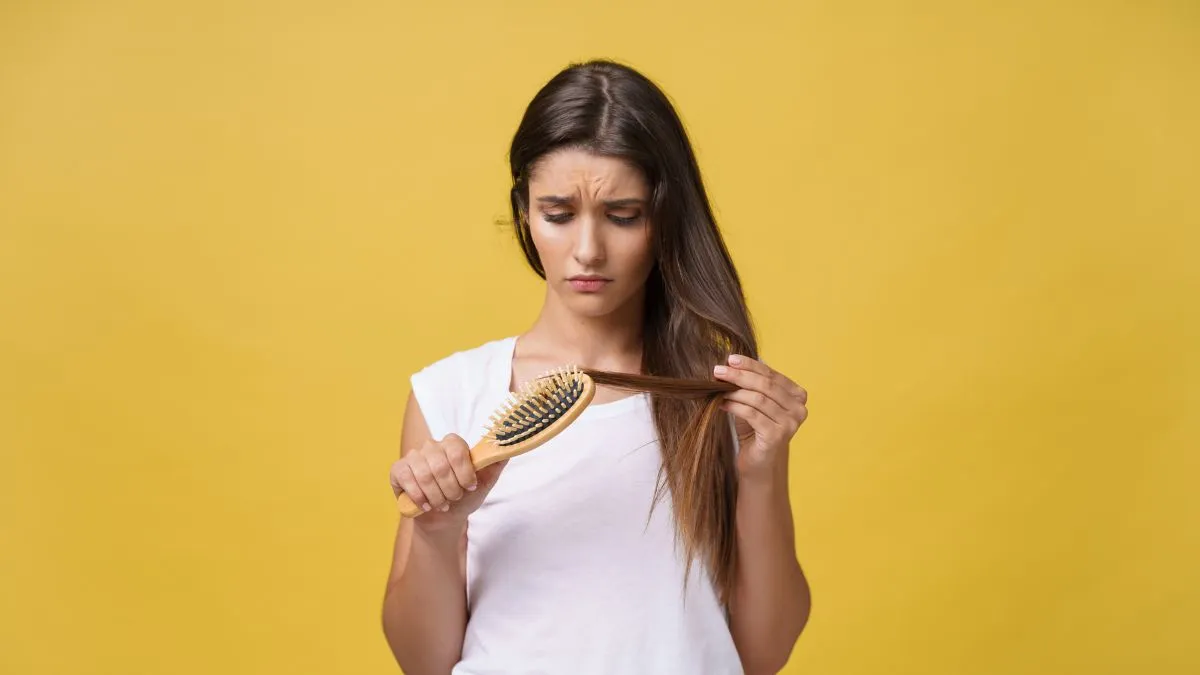
Hair loss in women is far more common than we like to admit, yet it remains one of the most misunderstood health concerns. For many women, thinning hair or excessive shedding is brushed off as stress, ageing or “just one of those phases”. In reality, persistent hair loss is often the body’s way of signalling deeper hormonal, nutritional or medical imbalances that deserve attention.
According to Dr Abhishek Pilani, Founder of Assure Clinic and MD Dermatology, Hair Transplant & Restoration Specialist, female hair loss is frequently underdiagnosed, not because it is rare, but because it is misunderstood.
Why women’s hair loss often goes unnoticed
Unlike male-pattern baldness, hair loss in women rarely shows up as complete bald patches. Instead, it appears subtly, a widening parting, reduced volume, or hair that feels thinner than it used to. Because the change is gradual, many women normalise it or assume it will resolve on its own.
Even when medical help is sought, hair fall is often dismissed with vague explanations like lifestyle stress or seasonal shedding, without proper investigation. This can create a cycle of the condition progressing further. The delay that occurs over time makes recovery even harder.
Then, of course, comes the role of cultural conditioning. Here, the expectations of the culture come into effect, where the woman has to endure the situation of hair loss in secret, blaming herself in the process for not being able to handle stress in the proper manner or following the correct hair care routine.
The hidden role of hormones and health conditions
Hormonal changes constitute one of the most common reasons for hair loss among women, yet these changes are also the most underestimated. Issues like PCOS, thyroid issues, postpartum changes, and peri-menopause could disturb the typical cycle of hair growth, pushing more hairs than usual into the stage of shedding.
Vitamin deficiencies, especially Vitamin D, along with iron deficiencies, further add to the problem. Chronic inflammation and underlying medical conditions can also quietly sabotage hair health.
“The mistake we often make is treating hair loss without understanding why it’s happening,” explains Dr Pilani. “Without identifying the root cause through blood tests and hormonal evaluation, treatment becomes guesswork.”
Why quick fixes rarely work
The beauty industry hasn’t helped. Women are constantly bombarded with promises of rapid regrowth through oils, serums, shampoos and salon treatments. While a few of these work to bring short-term enhancements to the hair texture and lustre, they do very little to regulate the imbalances.
In some instances, women can also be encouraged to go for aggressive treatment even in the absence of a proper diagnosis, which in turn might hide the symptoms, but no concrete results would be achieved.
The emotional toll we don’t talk about
Hair loss doesn’t just change how a woman looks; it changes how she feels. For many, it quietly erodes confidence, self-image and emotional well-being.
Why women need a holistic approach to hair loss
Managing hair loss in women requires moving beyond cosmetic solutions to a medical understanding. A proper evaluation should include a detailed medical history, blood investigations, hormonal assessment and lifestyle review.
Treatment plans must be personalised, combining medical care, nutritional correction, stress management and realistic expectations. When addressed early, many forms of hair loss are reversible or controllable.
“Hair loss in women is not a vanity issue,” says Dr Pilani. “It’s a health issue, and it deserves the same seriousness, empathy and clinical attention as any other condition.”
Women’s hair loss should no longer be minimised or normalised away. Listening to the body early, asking the right questions and seeking proper medical care can prevent years of distress and ineffective treatments. Healthy hair begins with understanding, and that understanding starts by treating hair loss as what it truly is: a signal worth paying attention to.
Disclaimer: Tips and suggestions mentioned in the article are for general information purposes only and should not be construed as professional medical advice. Always consult your doctor or a dietician before starting any fitness programme or making any changes to your diet.
Also read: Is Instagram’s viral 2-hour scalp massage actually good for your hair? A dermatologist explains