Fracture prevention in the elderly: Doctor shares essential tips to protect bone health
Fracture prevention in the elderly is crucial for healthy ageing. A doctor shares essential tips to improve bone strength, prevent falls, and reduce fracture risk in older adults.
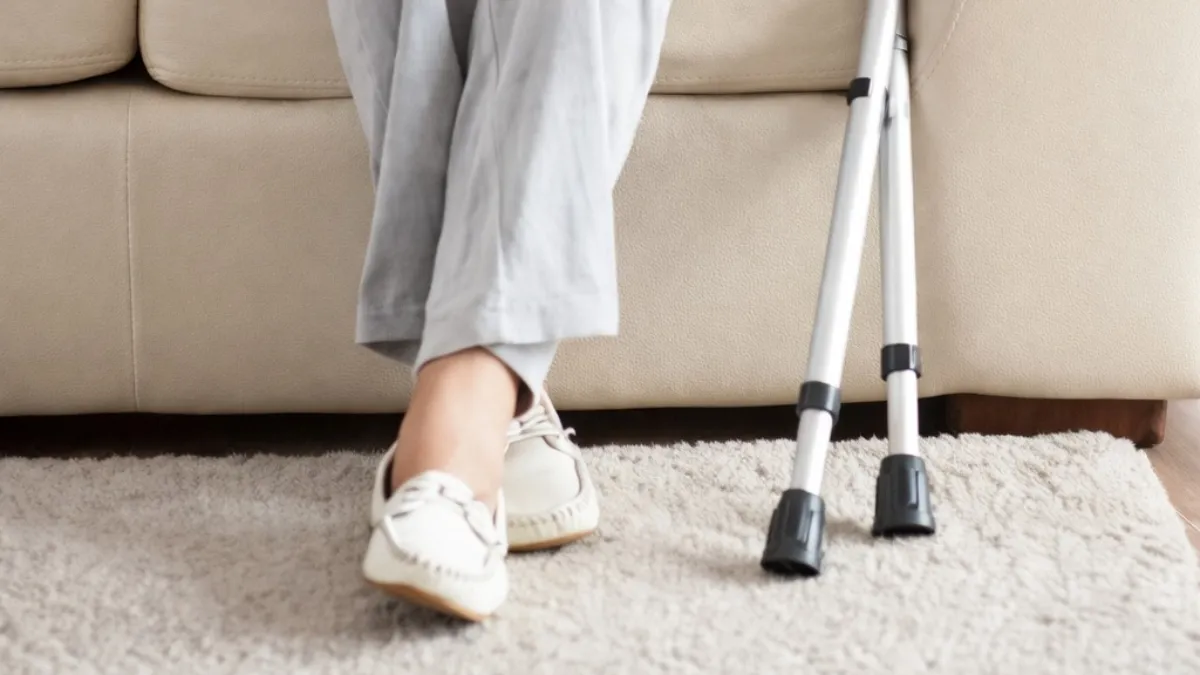
Fractures are a common occurrence in the elderly population and lead to loss of mobility. Hence, simple lifestyle changes, timely care, and family support can greatly reduce fracture risk among elderly loved ones. Here, the expert sheds light on vital fracture prevention tips for the elderly. It is time to take charge of the health of the elderly person in the family and reduce the risk of fractures.
Fractures in elderly people are becoming common because of weak bones and a higher risk of falls. Even a small slip in the bathroom can lead to serious fractures, especially of the hip, shoulder, wrist, or spine.
Did you know?
According to Dr Pervez Shaikh, Consulting Orthopaedic Surgeon, Trauma and Joint Replacement, Zen Multispeciality Hospital, Chembur, conditions such as osteoporosis, vitamin D deficiency, arthritis, previous surgeries and muscle weakness are associated with increased risk of fractures. Moreover, poor balance, reduced vision, and slower reflexes can increase the chances of falls and fractures.
In India, many elderly people live alone or hesitate to seek help after minor falls, which worsen their injuries. These injuries cause an extended period of bed rest, loss of independence, and constant stress for both seniors and their families. Family members of elderly people should exercise caution at home and ensure safety.
Family members play a crucial role in preventing and managing fractures in the elderly by ensuring a safe home environment and encouraging timely medical care after falls. Their support with mobility, nutrition, and medication helps speed up recovery and prevents complications like getting bedridden.
Keep in mind:
- Make homes elderly-friendly by installing grab bars in bathrooms, using non-slip mats, using walking aids, improving lighting, and removing loose rugs or clutter to avoid falls and fractures.
- Ensure a calcium- and protein-rich diet that includes milk, curd, paneer, leafy vegetables, nuts, and pulses to keep the bones strong.
- Regular sunlight exposure and vitamin D supplements help strengthen bones. Take the supplements as per the expert’s advice.
- Light exercises such as walking, stretching, and balance training help with balance and avoid fractures.
- Don’t miss the health check-ups, which include bone density tests to detect early problems, and have regular eye check-ups.
Family members should regularly check on elderly people, especially those living alone. Encourage them to report pain or falls immediately instead of ignoring symptoms. Adhere to these tips and improve the quality of life.
Disclaimer: Tips and suggestions mentioned in the article are for general information purposes only and should not be construed as professional medical advice. Always consult your doctor or a dietician before starting any fitness programme or making any changes to your diet.