40% of cancers are preventable: Doctor explains how your routine can make a difference
Oncologist Dr Mohit Agarwal from Fortis Hospital explains how everyday habits—from late nights to processed food- quietly raise your cancer risk, and how small lifestyle fixes can prevent nearly 40 per cent of cancers.
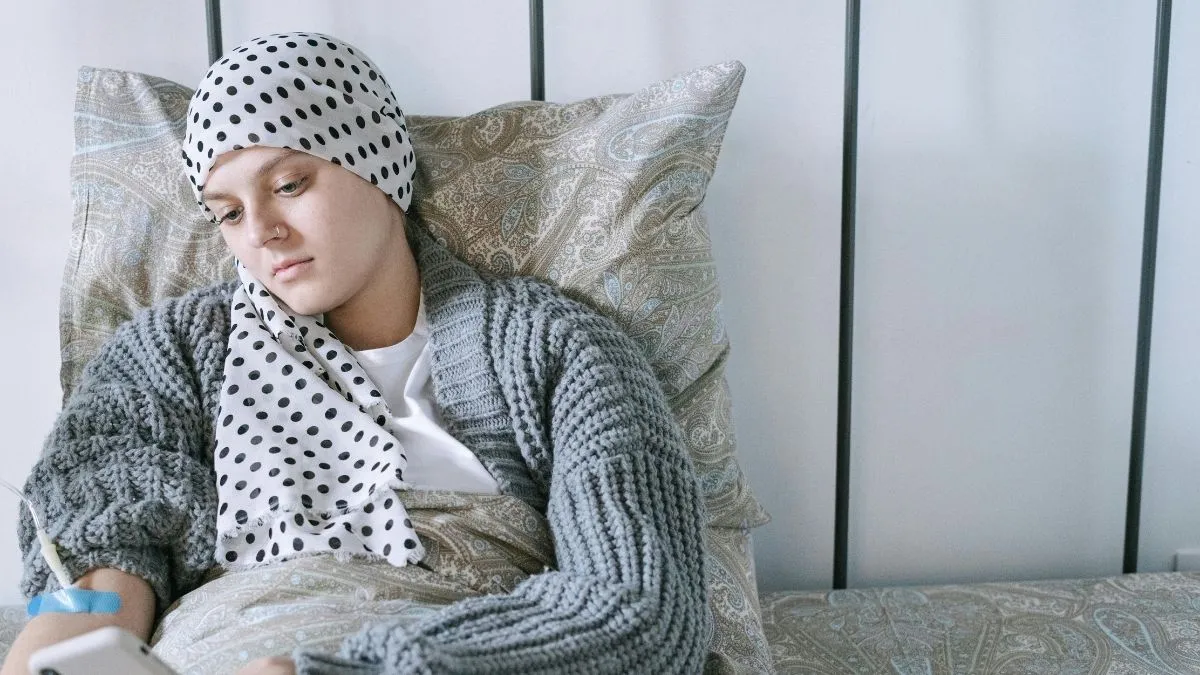
Cancer rarely appears overnight. It builds quietly, over years, often through small lifestyle choices we don’t think twice about. While genetics and pollution are often blamed, oncologists say everyday habits—what we eat, how we move, and how we rest, can be equally decisive in shaping our long-term risk.
Dr Mohit Agarwal, Principal Director and Head of Medical Oncology at Fortis Hospital, Shalimar Bagh, explains that up to 40 percent of cancers are preventable through simple lifestyle corrections. “Awareness and consistency,” he says, “remain the strongest defence we have.”
Everyday habits that quietly raise your cancer risk
1. Tobacco and alcohol use
There’s no safe level of either. Even “social” smoking or weekend drinking can raise the risk of mouth, throat, liver, breast and colon cancers. Quitting both completely, Dr Agarwal notes, “is still the single most effective cancer-prevention decision anyone can make.”
2. Poor diet choices
A plate high in processed meats, red meat, sugar, and saturated fats increases obesity and inflammation—both strong cancer triggers. Diets rich in fresh fruits, vegetables, whole grains and lean protein are linked with lower risks of colorectal, breast and pancreatic cancers.
3. Physical inactivity and obesity
Sedentary routines slow metabolism and disrupt hormone balance. Just 30 minutes of moderate activity daily—brisk walking, cycling or yoga—can reduce several cancer risks. The key, says Dr Agarwal, is “to treat movement like medicine, not an afterthought.”
4. Excessive sun exposure
Skipping sunscreen or staying out too long under harsh sunlight can lead to melanoma and premature skin ageing. Always use SPF 30+, reapply every few hours, and avoid the noon-to-3 p.m. window when UV rays are strongest.
5. Sleep deprivation and stress
Chronic stress bathes the body in cortisol, while sleepless nights weaken immune surveillance-the system that spots and destroys abnormal cells. Restful seven-to-eight-hour sleep, coupled with mindfulness or relaxation practices, helps the body repair and protect itself.
6. Not getting regular checkups
Early detection can make a diagnosis that is potentially fatal become curable. Screening tests for breast, cervical, colon and lung cancers catch disease in its silent stages. If you have a family history or risk factors, don’t delay that check-up.
The truth is simple: our everyday decisions either feed disease or build defence. Eat real food, move daily, rest deeply, and don’t ignore early tests. Cancer may feel like fate, but lifestyle is the part of the equation you can still control.
Also read: Why broken sleep is worse than no sleep for your heart? Know from an expert