If you crave ice constantly, your body might be lacking this nutrient
Constantly chewing or craving ice may be more than a habit; it’s strongly linked to iron deficiency anaemia. Backed by medical studies, this explainer reveals why it happens, the symptoms to watch for, and how to fix it naturally with proper testing and treatment.
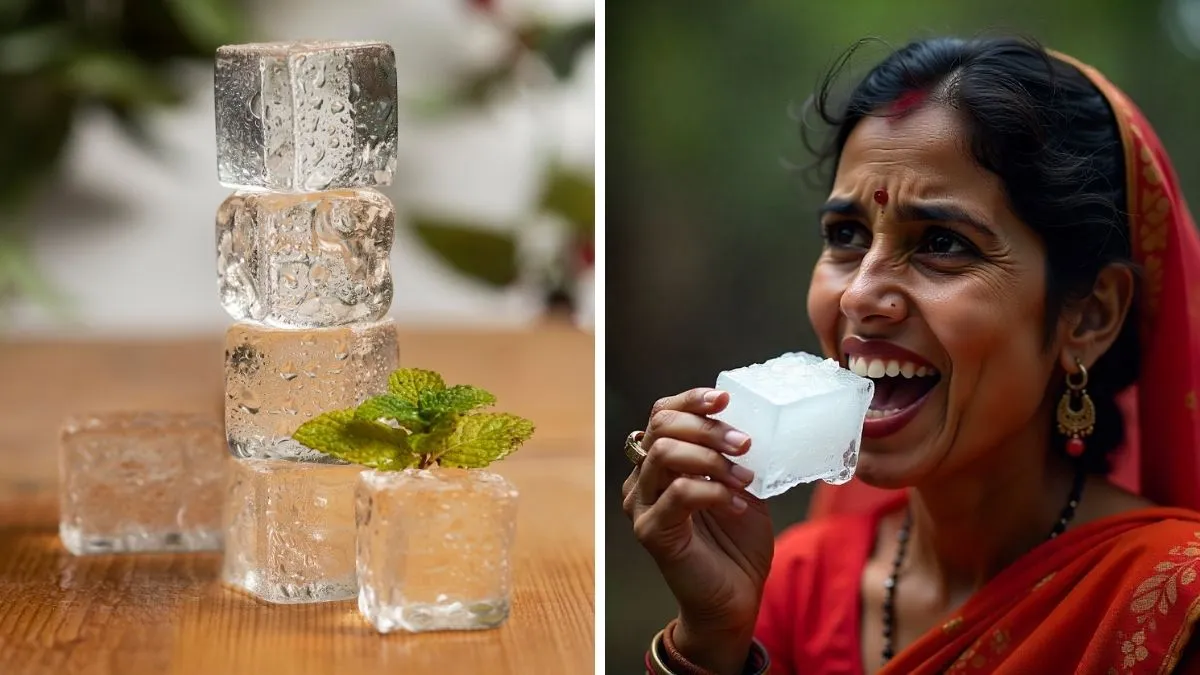
Refreshing. But when that habit becomes a daily craving you can’t ignore, doctors say it’s not just a quirky preference. It’s often a quiet SOS from your body.
This urge has a medical name, pagophagia, and it’s strongly linked to iron deficiency anaemia, one of the most common nutritional deficiencies worldwide. The body, in its own strange way, uses cravings to communicate, and ice happens to be one of its loudest hints.
Why is craving ice linked to low iron
Researchers now know this is more than a coincidence. A landmark study published in the journal Medical Hypotheses (2014) found that people with iron deficiency experience a sudden boost in alertness when chewing ice because the cold stimulates blood flow to the brain.
Another study in The Journal of General Internal Medicine (2016) observed that almost all patients who reported compulsive ice chewing were later diagnosed with iron deficiency anaemia. When treated with iron supplements, the craving disappeared within weeks.
Iron plays a central role in transporting oxygen through the blood. When levels drop, the brain receives less oxygen, leading to fatigue and sluggishness. Ice chewing becomes the brain’s shortcut for temporary stimulation.
Other symptoms that point to iron deficiency
If ice has become your favourite snack lately, watch for these signs, supported by research at the National Institutes of Health:
- Unusual tiredness or weakness
- Dyspnea
- Frequent headaches
- Pale skin
- Brittle nails or hair thinning
- Cold hands and feet
- Craving non-food items such as chalk, mud, or paper
According to data published in The Lancet Haematology, 2021, women, adolescents, vegetarians, and people with heavy periods are at higher risk.
What to do if you can’t stop chewing ice
Doctors recommend a simple haemoglobin + ferritin blood test to check your iron stores. According to Harvard Health Publishing, low ferritin is often the earliest red flag, even before anaemia sets in.
If levels are low, treatment may include:
- Iron supplements (only with medical advice)
- Iron-rich foods: spinach, legumes, eggs, red meat, jaggery
- Vitamin C to improve absorption
- Treating any underlying causes, such as heavy bleeding or a poor diet
Dentists also warn that frequent ice chewing causes microfractures in teeth, enamel wear and sensitivity. So, getting to the root cause is better than fighting the habit.
The truth is simple: your body is brilliant at whispering what it needs. A sudden obsession with ice isn’t random; it’s often your system signalling an iron shortage long before deeper symptoms appear. A quick check-up and a few mindful dietary changes can melt the craving and restore your energy far more effectively than another handful of crushed ice.
Also read: Is your heartburn more than just acidity? Here’s what you need to know