Why your common cold doesn’t need antibiotics, the overuse trap
Are antibiotics really the cure for your common cold? Doctors warn that most colds are viral and don’t need antibiotics, and unnecessary use fuels dangerous antibiotic resistance. Learn how to recover naturally and when medication is truly needed.
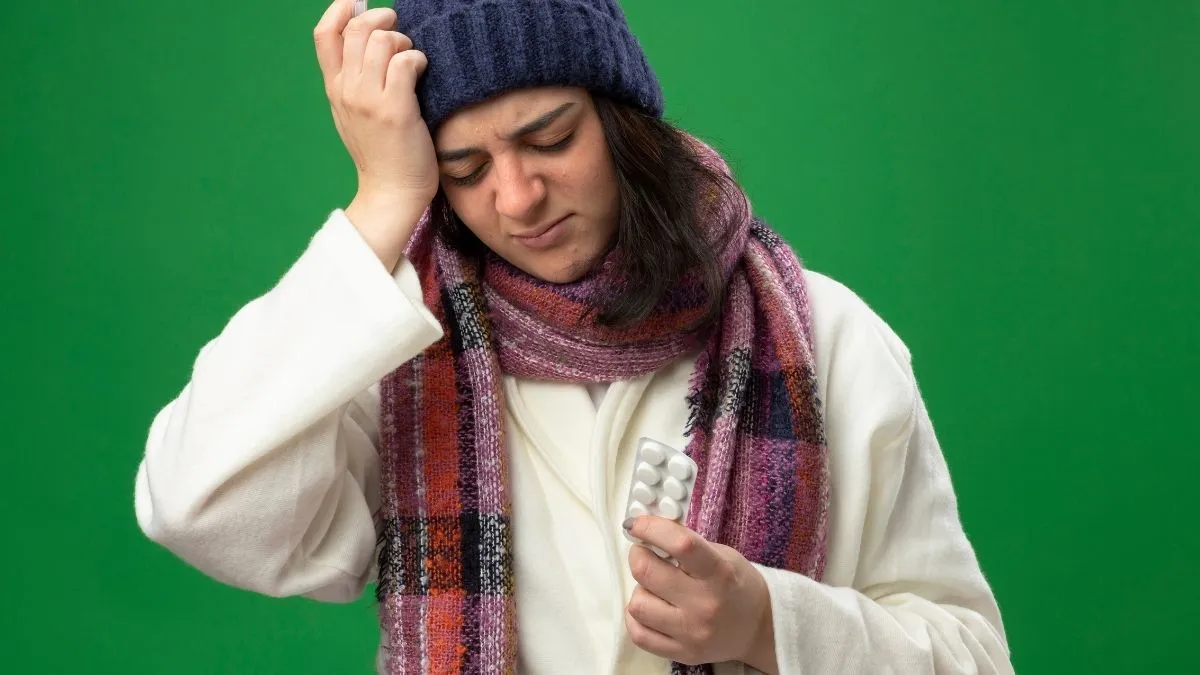
Two sneezes, a scratchy throat, a rising fever, and the first instinct for many of us is to reach for antibiotics. It feels like the fastest way to “fix” a cold and get back to life. But that habit is quietly causing more trouble than relief. Doctors say it’s time we understood the difference between real treatment and blind overuse.
Dr Gargi Singh Thakur, Consultant - Internal Medicine, Manipal Hospital, Bhubaneshwar, shared her take on the subject. The truth is simple: a regular cold doesn’t need antibiotics at all. And using them unnecessarily can make future infections much harder to treat, for you and for everyone around you.
Cold vs. infection: understanding the science
A common cold is almost always viral, usually caused by rhinoviruses, RSV, or seasonal coronaviruses. Antibiotics are designed only to fight bacteria, which means they simply cannot kill viruses or speed up recovery.
Then why do we still pop them so casually? Doctors point to expectation: patients want a prescription for quick recovery, and many physicians feel pressured to provide one.
The real danger: antibiotic resistance
Taking antibiotics “just in case” doesn’t shorten a cold, but it does cause significant harm. Unnecessary antibiotics:
- Disturb the gut’s healthy bacteria
- Trigger side effects like rashes, nausea, diarrhoea and serious allergic reactions
- Fuel antimicrobial resistance (AMR), meaning bacteria learn to fight back, and medicines stop working
AMR is now considered one of the biggest global health threats, and millions of people die every year as once-treatable infections become untreatable.
So how should you treat a common cold?
The best medicine is simpler than we think:
- Rest
- Warm fluids and hydration
- Steam inhalation
- Over-the-counter symptom relievers like paracetamol or saline sprays
Most colds improve within 5–7 days and disappear in two weeks; antibiotics won’t make that faster.
When antibiotics may be necessary
A doctor may consider them only if:
- Symptoms worsen after initial improvement
- High fever persists
- Severe sinus pain or ear discharge begins
- There is difficulty breathing
These may be signs of a secondary bacterial infection, not a viral cold.
Reaching for antibiotics at the first sneeze is a habit worth breaking. Responsible use protects not only your own future health, but also that of millions. "Trust your body. Trust time. And always consult a doctor, never self-medicate. Every time you have a cold, it is important to consult a doctor. Please refrain from self-medication," suggests Dr Gauri.
Also read: What happens if antibiotics stop working? Doctor reveals the nightmare scenario