
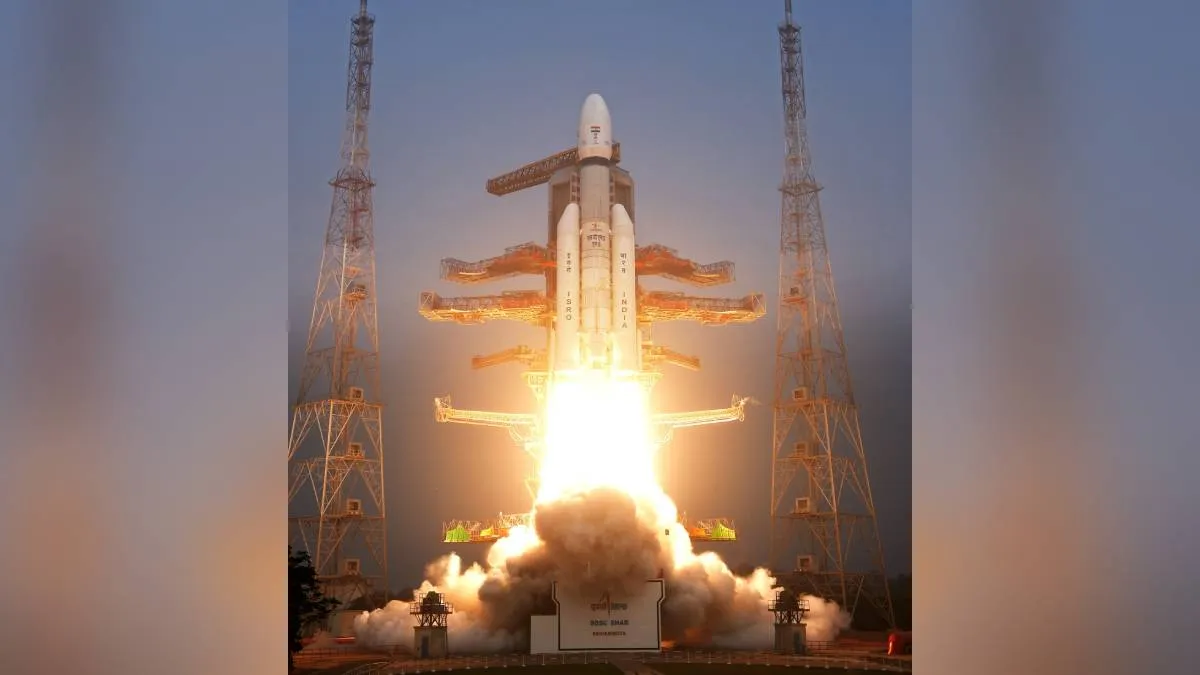
The Bluebird Block-2, a next-generation communication satellite developed by the US-based company AST SpaceMobile, is set to commence operations in the coming weeks. The satellite was successfully deployed into Low Earth Orbit (LEO) on December 24 by ISRO’s heavy-lift rocket, the LVM3-M6 (popularly known as "Bahubali"). This mission marked a historic milestone as the first AST SpaceMobile satellite to be launched from Indian soil.
"In the coming weeks, it will start operations," confirmed AST SpaceMobile COO Shanti B. Gupta.
A new record in space technology
According to a statement from AST SpaceMobile, Bluebird 6 is now the largest commercial communications array ever deployed in Low Earth Orbit. Spanning 2,400 square feet, it is three times larger than its predecessors, Bluebirds 1–5, which were launched in September 2024.
These satellites are engineered for both commercial and government use. They are designed to deliver high-speed 4G and 5G space-based cellular broadband directly to standard, unmodified smartphones, eliminating the need for specialised ground equipment.
Vision for global connectivity
AST SpaceMobile Chairman and CEO Abel Avellan emphasszed the significance of the mission:
"This launch validates years of US innovation and American manufacturing. It marks our transition to scaled deployment. With Bluebird 6 now in orbit, we are firmly on the path to delivering true space-based cellular broadband at a global scale".
The company remains on track to launch 45 to 60 satellites by the end of 2026, with a launch cadence planned for every one to two months.
The Launch Vehicle: LVM3
The 43.5-meter tall LVM3 (formerly GSLV Mk III) is ISRO's premier three-stage heavy-lift launch vehicle. Its powerful architecture includes:
- Solid Boosters: Two S200 solid rocket boosters, developed by the Vikram Sarabhai Space Centre (VSSC), provide the massive thrust necessary for liftoff.
- Core Stage: A liquid-propellant stage that maintains momentum during the middle phase of flight.
- Cryogenic Stage: An advanced upper stage developed by the Liquid Propulsion Systems Centre (LPSC) to precisely inject payloads into orbit.
During the mission, the flight sequence lasted approximately 15 minutes. Following a successful ascent, the Bluebird Block-2 separated from the launch vehicle to begin its complex deployment process in orbit.
ALSO READ: ISRO chairman hails ‘historic’ LVM3 success; BlueBird Block-2 becomes India's heaviest launch
