
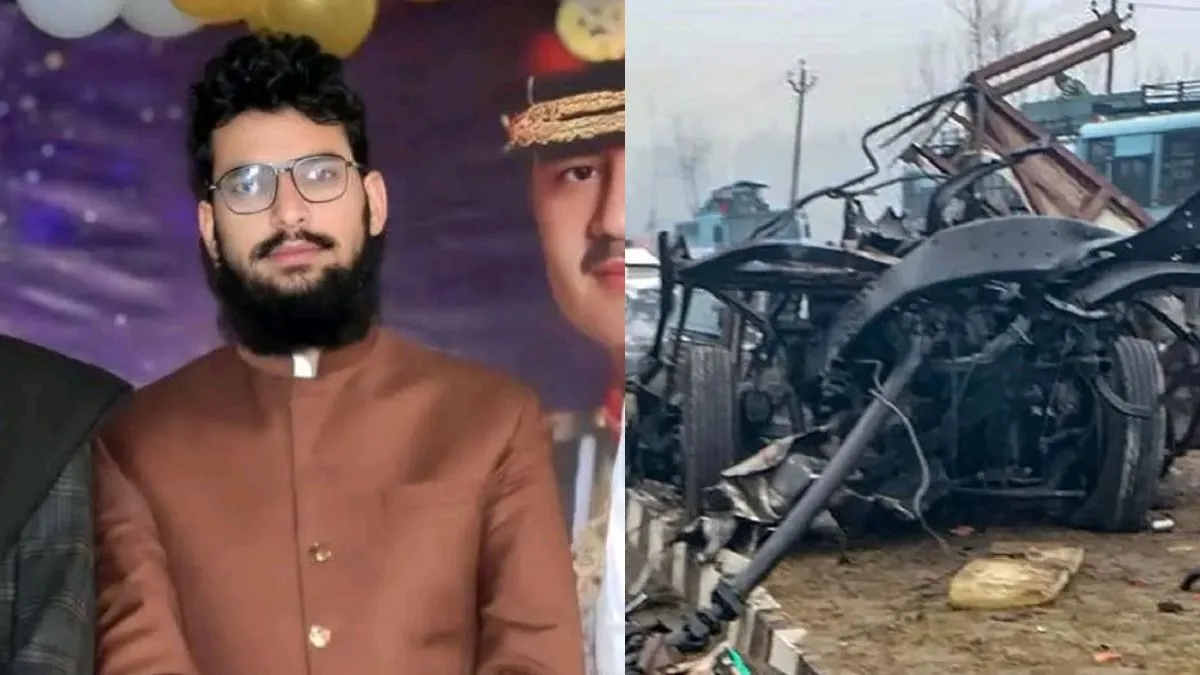
A wanted terrorist linked to the Pulwama attack has reportedly been shot dead in Muzaffarabad region on Thursday, according to sources. The terrorist, identified as Hamza Burhan, was attacked by unknown gunmen who opened fire on him, hitting him with multiple bullets. Sources claim that he succumbed to his injuries during the attack.
The shooting took place in Muzaffarabad, located in Pakistan-occupied Kashmir (PoK). Officials have not yet released an official statement regarding the identity of the attackers or the motive behind the killing.
Hamza Burhan was reportedly considered one of the key masterminds associated with terror operations linked to the Pulwama attack.
Burhan's long history of anti-India activities
According to intelligence agencies, Burhan had a long history of anti-India activities and was responsible for pushing youth in Jammu and Kashmir towards militancy and radicalisation.
He originally a resident of the Ratnipora area of the Pulwama district in Jammu and Kashmir. He reportedly visited Pakistan seven years ago using valid documents and joined the Al-Badr terror outfit.
He later became the terror group's operational commander and was responsible for recruiting militants for it. Additionally, he also looked for the group's supply of weapons in Jammu and Kashmir.
In 2022, the government designated him as a terrorist. Agencies believe that Burhan was one of the masterminds in spreading terror in Pulwama and other parts of South Kashmir. They believed that Burhan used a 'digital radicalisation' model, which included using social media extensively, to incite people and recruit the youth.
About Pulwama attack
The Pulwama attack occurred on February 14, 2019 when a suicide bomber targeted a convoy of India’s Central Reserve Police Force (CRPF) near Pulwama in Jammu and Kashmir. The attacker rammed an explosive-laden vehicle into a bus carrying security personnel, killing 40 CRPF personnel and injuring many others.
The Pakistan-based militant group Jaish-e-Mohammed claimed responsibility. The attack sharply increased tensions between India and Pakistan and led to diplomatic and military responses, including the Balakot airstrikes by India. It was one of the deadliest terrorist attacks on Indian security forces in the region’s history.
