
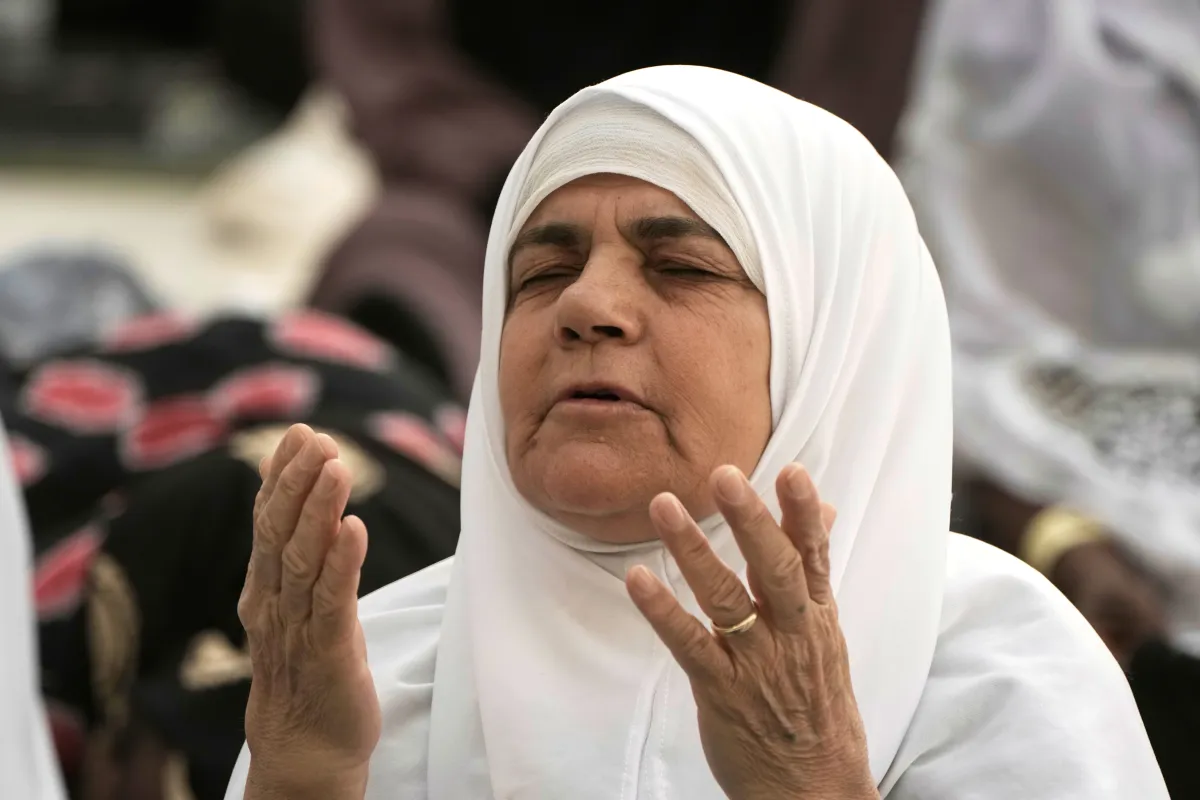
As Muslims from across the world gather in Mecca for the 2025 Hajj pilgrimage, one of Islam’s five foundational pillars, this year’s pilgrimage comes with heightened health precautions, new rules, and evolving affordability strategies. While pilgrims prepare for deeply spiritual rites that date back over 1,400 years, they must also navigate real-world challenges: from extreme heat to policy shifts and financial pressures.
Managing deadly heat in the desert
Following last year’s devastating toll of over 1,300 deaths due to extreme heat, as temperatures reached 47°C (117°F), Saudi authorities have issued strong advisories. Pilgrims are being urged to avoid venturing out during peak daylight hours, keep their heads covered except during rituals, and wear light-colored clothing. Safety kits being distributed include tips to recognise signs of dehydration and heatstroke.
Despite billions spent on crowd control and cooling infrastructure, the sheer number of pilgrims combined with Mecca's searing temperatures, already hovering around 41°C (106°F), makes heat exposure a serious risk during the largely outdoor pilgrimage.
No children under 12 allowed
In one of the biggest policy changes in recent years, children below the age of 12 are barred from attending Hajj 2025. The Saudi government introduced the measure citing safety concerns amid overcrowding and high temperatures.
While children are not religiously obligated to perform the Hajj before puberty, many parents had hoped to take their children to witness the Kaaba and experience the sacred journey. Pakistani pilgrim Talha Ayub, who left his five children at home with grandparents, said the policy ultimately allowed him and his wife to perform the pilgrimage in a “more relaxed way,” given the harsh weather.
Flexible payment options for costlier journeys
Hajj remains a significant financial undertaking, costing between USD 4,000 and USD 20,000 depending on departure country, travel class, and accommodation. Inflation, tax hikes in Saudi Arabia, and weak currencies have added to the burden. In response, some countries—including Pakistan and Saudi Arabia—have introduced flexible payment plans. Pakistani farmer Zaheer Ahmad said he paid for his Hajj in three instalments: an advance in December, followed by payments in January and February. “Otherwise, I might not have been able to go for Hajj at all,” he said.
Saudi Arabia’s domestic pilgrims now pay 20% within 72 hours of booking, 40% during Ramadan, and the final 40% the following month.
Waiting lists and unauthorised entry
With quotas and once-a-year timing, the Hajj remains elusive for many. Countries like Indonesia and Malaysia have multi-decade-long waiting lists—Indonesia alone has 5.4 million people in the queue. India has banned repeat applicants through its official Hajj committee to ensure broader access, though some exceptions apply, especially for those escorting elderly pilgrims.
However, unauthorised attempts to enter Mecca continue. To clamp down, Saudi Arabia has suspended short-term visas for 14 countries, including India, Pakistan, and Indonesia. This move follows reports that many of last year's heat-related deaths involved unregistered pilgrims who lacked access to official facilities.
Saudi Arabia has warned that those trying to enter Mecca without proper Hajj permits may face fines up to 20,000 riyals (about USD 5,330).
(Based on inputs from AP)
