
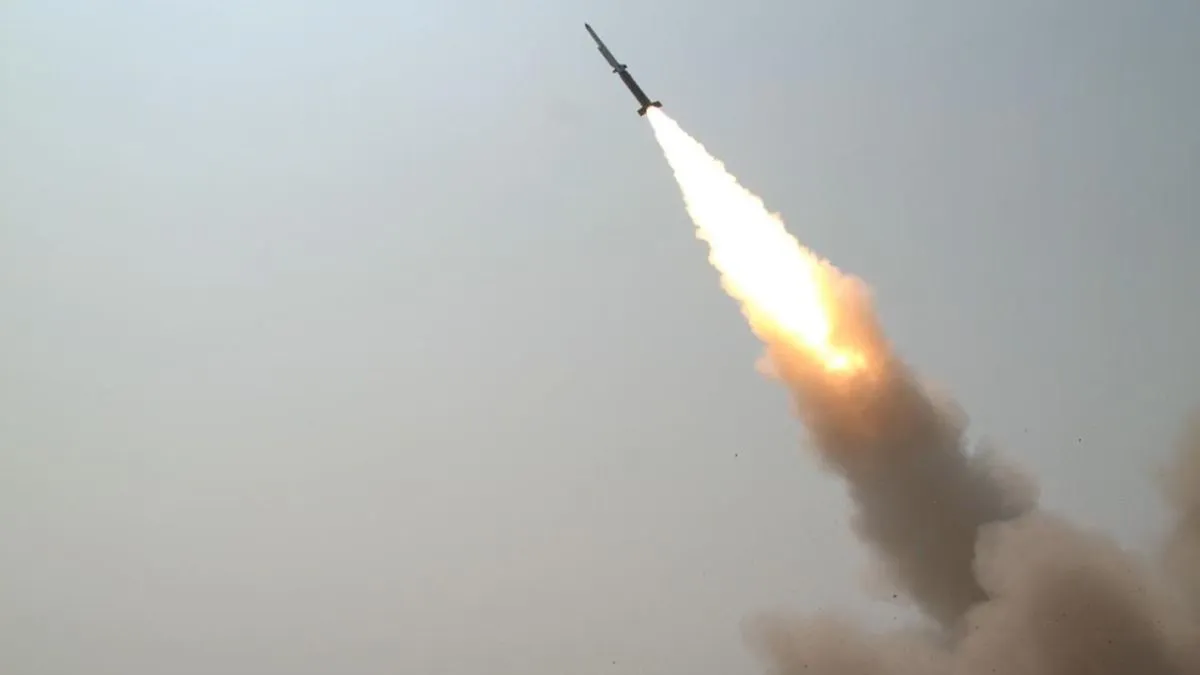
India has taken a major step forward in missile technology with the successful test of the Solid Fuel Ducted Ramjet (SFDR) system by the Defence Research and Development Organisation (DRDO). The trial was conducted on February 3, from the Integrated Test Range (ITR) at Chandipur, off the Odisha coast.
“Solid Fuel Ducted Ramjet (SFDR) technology was successfully flight tested from the Integrated Test Range (ITR), Chandipur off the coast of Odisha today. SFDR is very crucial for development of long range Air to Air Missiles,” DRDO posted on X.
The demonstration was carried out at around 10:45 am and confirmed the reliable performance of the SFDR system in real flight conditions. With this achievement, India joins a small group of countries that possess this advanced propulsion technology, which is critical for the development of long-range air-to-air missiles. Such missiles can significantly enhance the operational strength of the Indian Air Force.
During the test, the missile was first accelerated to the required speed using a ground-based booster. Once the desired Mach number was achieved, the Solid Fuel Ducted Ramjet took over. Key components, including the nozzle-less booster, the ramjet motor and the fuel flow controller, functioned smoothly and met all expected performance parameters.
Data confirms success of mission
The flight was closely tracked using several monitoring systems positioned along the Bay of Bengal coast. Data collected from these instruments confirmed the success of the mission and validated the design and performance of the propulsion system.
Senior scientists from multiple DRDO laboratories were present to oversee the test. Teams from the Defence Research and Development Laboratory, High Energy Materials Research Laboratory, Research Centre Imarat and the Integrated Test Range participated in and monitored the launch.
The successful demonstration is seen as a significant milestone for India’s defence research programme and strengthens the country’s ability to develop next-generation missile systems.
