
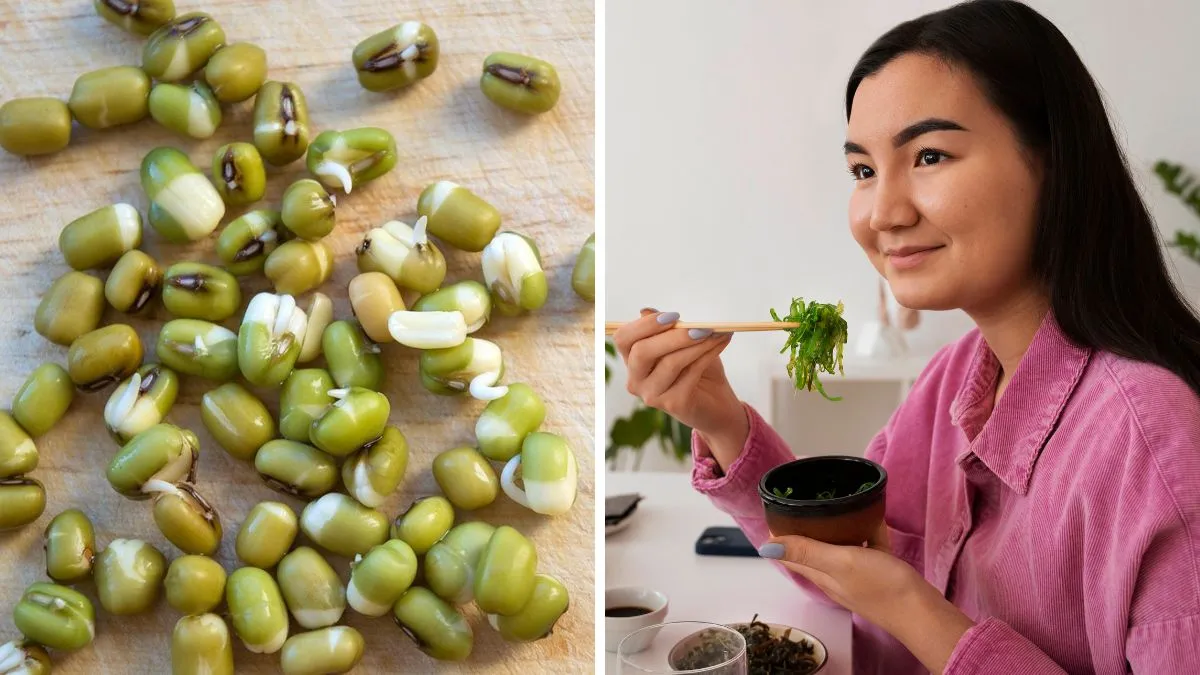
They sit in every “clean eating” bowl and health reel, crunchy, green, and supposedly perfect. Sprouts have become the poster child of guilt-free snacking, the kind of food that instantly makes you feel healthier just by looking at it. But what if your “superfood” habit is secretly upsetting your gut?
Turns out, a bowl of raw sprouts isn’t always the miracle we think it is. As nutritionist Khushi Chhabra points out, the way we prepare and eat them can make all the difference between getting a nutrient boost and inviting digestive trouble. From bloating and gas to bacterial risks, this so-called power food comes with fine print that most of us tend to ignore.
Are you eating sprouts the wrong way?
Taking to Instagram, nutritionist Khushi shares a warning about the way we eat sprouts. Along with the video, Khushi penned, "Remember it’s not about eating “raw and green,” it’s about eating smart and balanced!!"
Why raw sprouts can upset your gut
Khushi Chhabra, a holistic health nutritionist and diabetes educator, explains that while sprouts are “one of the most nutrient-dense foods because they have protein, fibre, and vitamins,” many people suffer bloating, gas, or constipation when consuming them raw.
“Raw sprouts can cause bloating, gas, and even constipation because they’re hard to digest and may carry bacteria when eaten uncooked.”
She adds that although they contain fibre, enzymes, antioxidants, and vitamin C, their high carbohydrate content (60 %–65 %) means overdoing them is not ideal.
Because sprouts are germinated seeds in warm, moist conditions, they can harbour bacteria like E. coli or Salmonella if not handled carefully.
How to eat sprouts the right way
Khushi suggests a few practical tweaks to enjoy sprouts without upsetting your gut:
- Cook or steam lightly. Heat reduces the tough fibres and lowers bacterial load.
- Use digestive spices. Add ginger, cumin, black pepper, or rock salt to support digestion.
- Watch your portion. About half to one cup is sufficient for most people. Overeating can be counterproductive.
- Pair with clean proteins. Combine sprouts with curd, paneer, or eggs to balance the meal.
These changes help retain nutritional benefits while reducing digestive distress.
Why do these “healthy” mistakes happen
Because sprouts have this reputation for being clean and raw, many people assume that eating them uncooked is always ideal. But raw foods can be harder to digest, and the bacterial risk is higher if hygiene slips. This is especially true for those with sensitive digestion or compromised gut health.
Even though sprouts are nutritious, the way we treat them (storage, washing, cooking) and how much we eat matter just as much.
Sprouts are a wholesome addition to a diet, but only when consumed wisely. If you’ve ever felt bloated or uncomfortable after munching sprouts, that’s not just your imagination. It could be your gut signalling that your preparation needs a rethink. Cook lightly, keep hygiene high, use portion control, and don’t treat sprouts as a magic bullet.
