
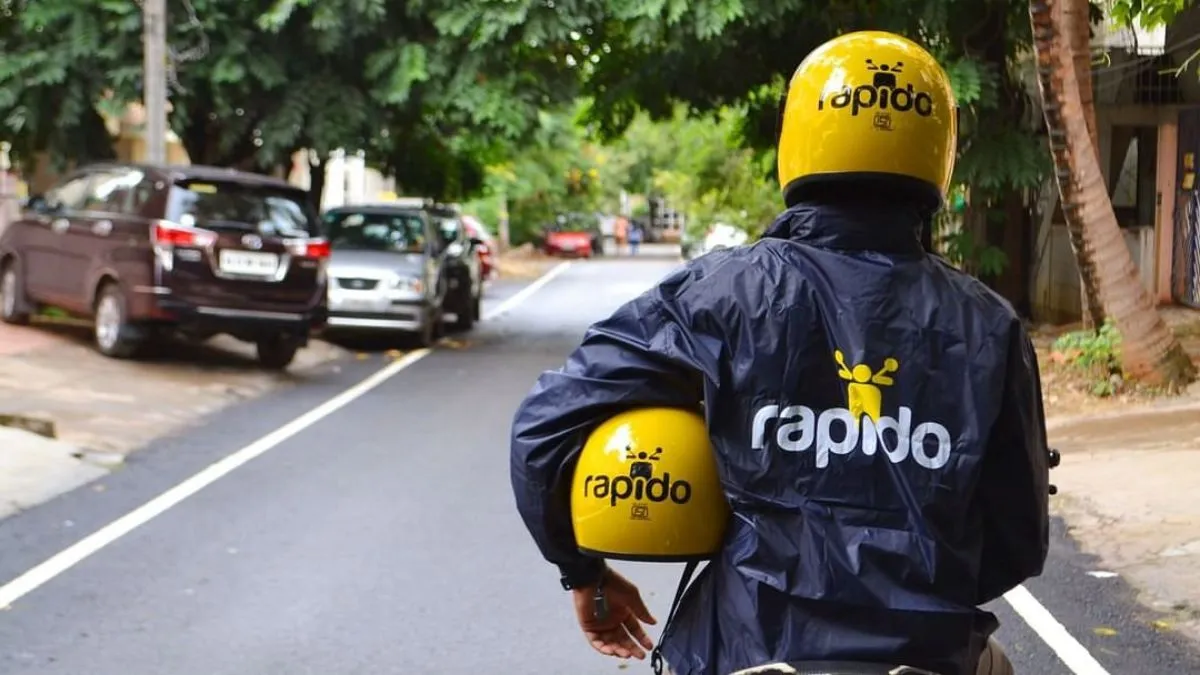
Bike taxi services in Karnataka are set to restart after the High Court lifted the ban that had stopped operations across the state. The decision was delivered on Friday, bringing relief to ride-hailing companies and riders alike. A division bench led by Chief Justice Vibhu Bakhru and Justice CM Joshi ordered the state government to allow motorcycles to be registered as transport vehicles. The court also directed authorities to issue carriage permits required for running bike taxi services.
The ruling came while hearing appeals filed by ANI Technologies, Uber India and Roppen Transportation Services.
The Karnataka government had enforced the ban on June 16, 2025, instructing app-based aggregators to shut down bike taxi services.
Reacting to the court’s order, Transport Minister Ramalinga Reddy said he was yet to receive the official copy of the judgment. The minister, however, confirmed that the division bench had set aside the earlier order passed by a single-judge bench, which had supported the ban.
"The single-judge bench of the High Court had prohibited bike taxis. The division bench has now quashed that order and allowed the writ appeal. Let the judgment copy come. I will read it and then discuss it with you all," the minister told reporters.
Ola, Uber hail move
Cab aggregators Ola and Uber have welcomed the court order, asserting that cab taxis are affordable means of transport and can play a key role to reduce congestion in big cities.
"We welcome the Hon’ble High Court’s decision to recognise bike taxis as a legal mode of passenger transport in Karnataka. The decision will also bring relief to lakhs of drivers who depend on bike taxis for their livelihood. We look forward to engaging with the state government to operationalise this mobility ecosystem and serve the mobility needs of cities across the spectrum," Uber said in a statement.
"Bike taxis are a simple and efficient solution for congested cities and play a critical role in improving last-mile connectivity and affordability. This decision will help scale up last-mile connectivity, reduce congestion, and create flexible earning opportunities," Ola said.
