
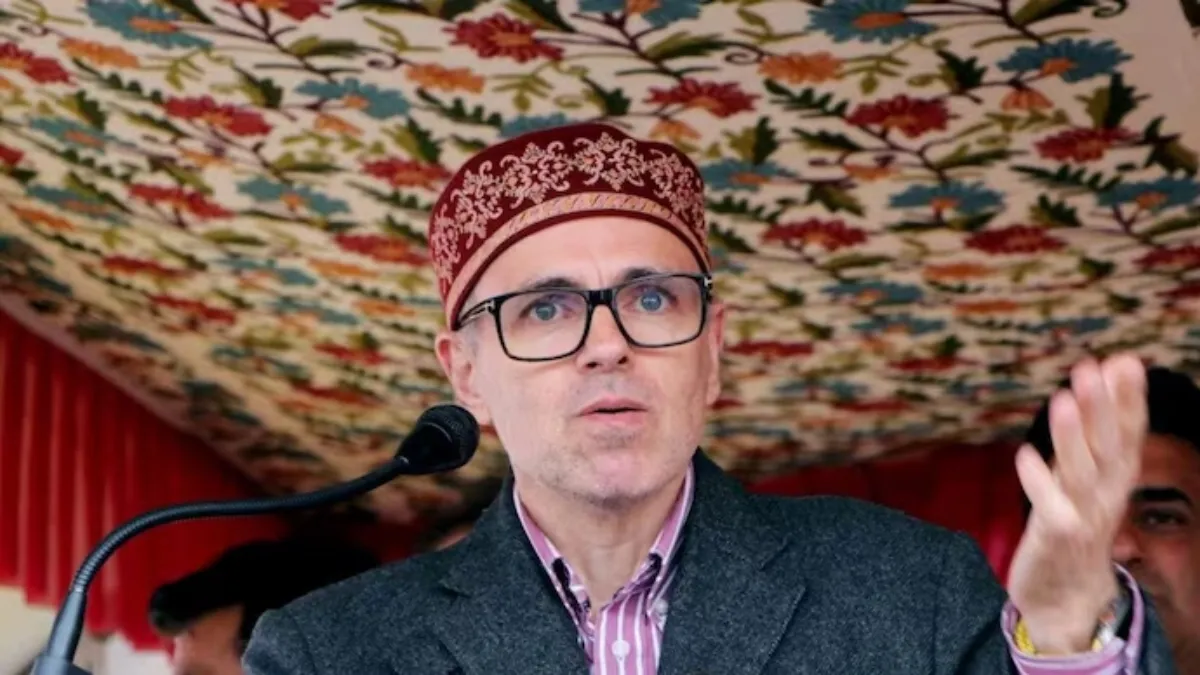
Jammu and Kashmir Chief Minister Omar Abdullah welcomed the India-Pakistan understanding, expressing sorrow that it didn’t come sooner to prevent loss of lives, and urged the J-K government to swiftly assess damage, provide relief to affected civilians, and ensure proper treatment for the injured.
“I welcome the ceasefire. If it had happened 2-3 days ago, the lives we lost would not have been lost,” Abdullah said. “Pakistan's DGMO called our DGMO and the ceasefire was implemented. It is now the responsibility of the current J&K government to assess the damage and start providing relief. Injured civilians should receive proper medical care and support under existing government schemes.”
Highlighting the extensive damage caused by fires during the conflict, Abdullah emphasised the urgency of finalising damage assessments. “DCs have been instructed to immediately conduct final surveys and send reports so that we can start providing relief to affected households. Also, our airport has been closed for many days — we hope it will reopen after the ceasefire.”
The understanding comes on the heels of 'Operation Sindoor,' a major Indian military offensive targeting terrorist infrastructure in Pakistan-administered Kashmir and Pakistan’s Punjab province. The operation, launched in response to a spate of terror attacks, reportedly neutralized over 100 militants, including key figures from Jaish-e-Mohammed and Lashkar-e-Taiba. Pakistan responded with retaliatory military action, leading to casualties on both sides, including civilians.
India’s Foreign Secretary Vikram Misri, in a press briefing, confirmed that the understanding was reached after a call between the Directors General of Military Operations (DGMOs) of both countries. “Pakistan’s DGMO called Indian DGMO at 15:35 hours earlier this afternoon. It was agreed that all firing and military action on land, in the air and at sea would cease effective 1700 hours IST. They will speak again on May 12 at 1200 hours,” Misri said.
The White House, in earlier statements, had noted the involvement of Secretary of State Marco Rubio and National Security Adviser in de-escalation efforts. “Secretary Rubio has been in constant contact with leaders from both sides,” said Press Secretary Karoline Leavitt. “President Trump values peace in the region and has strong relationships with both nations' leadership.”
While international mediation appears to have played a role, the understanding marks a delicate phase in the India-Pakistan relationship. Analysts say the next steps will depend on Pakistan’s willingness to act decisively against terror networks operating from its soil. India has made it clear: peace is welcome, but not at the cost of security.
