
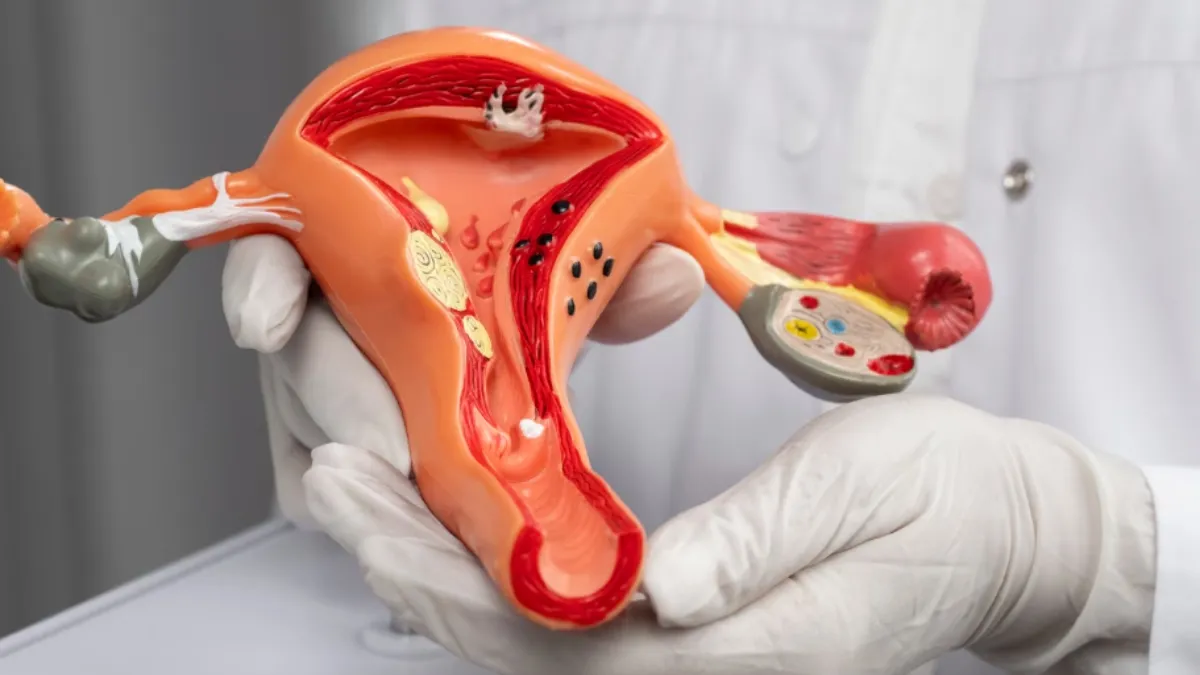
PCOS is increasingly common among young women in India, and lifestyle factors play a major role in this rise. The main contributors are excessive weight gain, poor diet, and lack of regular physical activity.
According to Dr Irfana Shahul Hameed, obstetrician and gynaecologist with Plush, modern sedentary lifestyles, frequent consumption of processed foods, and irregular meal patterns all contribute to hormonal imbalances that can trigger PCOS.
Early signs and symptoms of PCOS to watch for
The early signs of PCOS can be subtle but are important to recognise. These include irregular menstrual cycles, difficulty losing weight despite efforts, premenstrual spotting, and sometimes heavy menstrual bleeding. Skin and hair changes, such as acne, hair fall, or baldness, are often linked to elevated androgen levels.
Other warning signs include fatigue, stubborn weight, and changes in sexual drive. Recognising these signs early allows for timely intervention and better management.
How menstrual tracking empowers women with PCOS
Menstrual tracking has become an invaluable tool in recent years for understanding and managing PCOS. Beyond simply tracking the cycle, women can now monitor sleep patterns, heart rate variability, ovulation, and progesterone levels in the second half of their cycle. This real-time data helps women understand how their bodies function, identify trends, and make informed decisions about lifestyle, nutrition, and treatment.
Beyond Periods: Understanding comprehensive cycle monitoring
Period tracking is more than knowing whether your cycles are on time—it offers insights into overall hormonal health. For women with PCOS or other hormonal irregularities, it can reveal patterns in symptoms, guide lifestyle adjustments, and help them work with healthcare providers to manage their condition more effectively.
By combining early recognition of symptoms with proactive menstrual tracking and lifestyle adjustments, young women can better manage PCOS and reduce its long-term impact on health.
ALSO READ: Menopause Prep: What women should do in their 30s and 40s
