
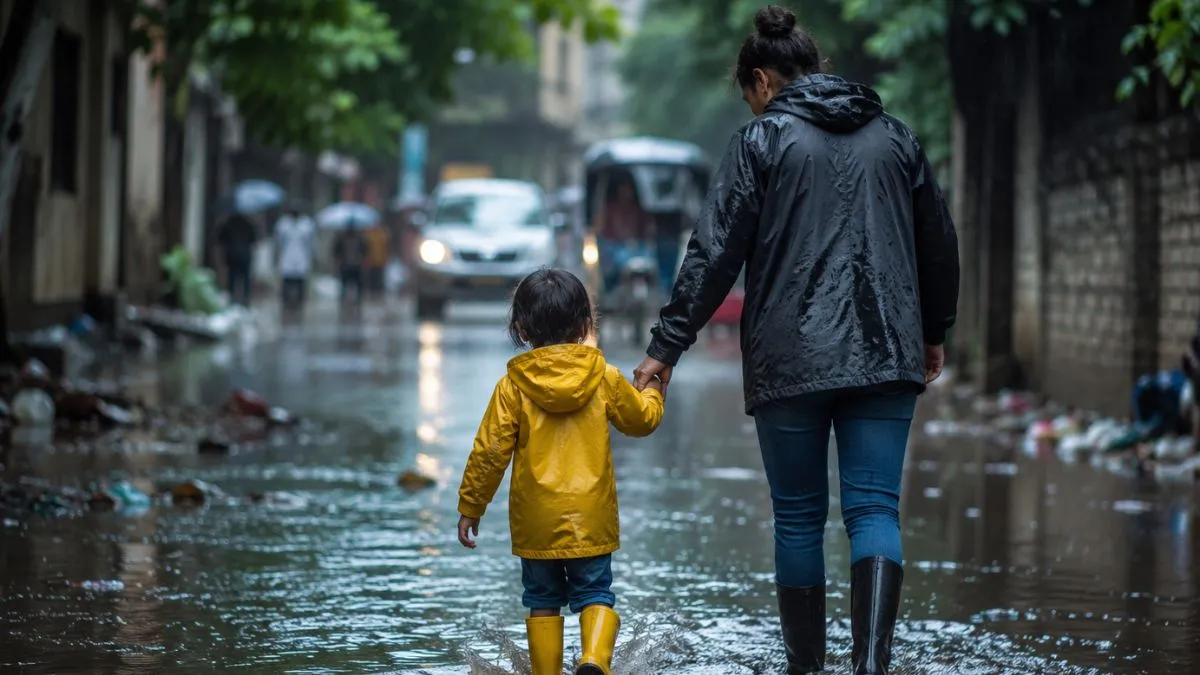
The monsoons in Mumbai have brought some respite from the scorching heat, but at the same time, they have also brought a rise in seasonal infections such as leptospirosis. Leptospirosis is a bacterial infection that spreads through water contaminated with the urine of infected animals, especially rats. Following the recent flooding in Mumbai, the city has reported more cases of leptospirosis this year compared to the same period in previous years.
With the monsoon expected to continue, it has become imperative for parents to remain vigilant, as children are among the most vulnerable to this infection. Dr Amol Jaybhaye, Consultant in Infectious Diseases at Narayana Health SRCC Children's Hospital, explains everything parents need to know about leptospirosis.
What is leptospirosis?
Leptospirosis is a bacterial infection caused by Leptospira bacteria, commonly found in the urine of infected animals, particularly rats. During heavy rainfall and flooding, these bacteria contaminate stagnant water mixed with garbage, sewage and animal waste.
"When children walk, play or accidentally come into contact with contaminated floodwater, the bacteria can enter the body through small cuts, abrasions or even through the eyes, nose or mouth," explains Dr Amol Jaybhaye.
Why are children more vulnerable during the monsoon?
Children naturally tend to spend more time outdoors and are often fascinated by puddles and flooded playgrounds. Walking barefoot or wearing open footwear increases the chances of coming into contact with contaminated water.
According to Dr Jaybhaye, children are particularly vulnerable to infection because they frequently sustain minor cuts and injuries, which allow the bacteria to enter the body more easily.
Symptoms parents should never ignore
One of the biggest challenges with leptospirosis is that the symptoms do not appear immediately. They usually develop between two and 14 days after exposure, although the incubation period may extend up to 30 days.
The early signs of infection include:
- Fever
- Chills
- Headache
- Muscle pain, particularly in the calves
- Fatigue
- Vomiting
- Diarrhoea
- Red eyes
- Loss of appetite
These early symptoms can easily be confused with other common illnesses seen during the monsoon season. If your child develops a fever after exposure to floodwater, do not delay seeking medical attention.
The Brihanmumbai Municipal Corporation (BMC) has also advised people to seek medical care early and follow preventive measures to reduce the spread of leptospirosis.
When should you seek emergency medical care?
Antibiotic treatment is highly effective when started early. However, delaying medical care can allow the infection to affect vital organs such as the kidneys, liver, lungs and brain.
Seek immediate medical attention if your child develops:
- Yellowing of the skin or eyes
- Breathing difficulty
- High fever with chills
- Persistent vomiting
- Confusion or extreme drowsiness
- Rash on the shins
- Severe muscle and joint pain, especially in the calves and lower back
- Enlarged lymph nodes
According to Dr Jaybhaye, parents should avoid self-medicating their children with antibiotics, as early diagnosis and proper treatment are essential.
How parents can protect children from leptospirosis
Simple preventive measures can significantly lower the risk of infection during the rainy season.
- Keep children away from floodwater and stagnant puddles whenever possible.
- Encourage indoor play when streets and playgrounds are waterlogged.
- Make children wear waterproof boots or closed footwear while stepping outdoors.
- Cover cuts, wounds and scratches with waterproof dressings.
- Wash hands, feet and exposed skin thoroughly with soap and clean water after returning home.
- Disinfect household surfaces if floodwater enters the home.
Don't ignore fever after floodwater exposure
The danger doesn't disappear once floodwater recedes. The bacteria can continue to pose a risk even days after heavy rainfall.
"If your child develops fever, body pain or any flu-like symptoms within a week of playing in floodwater or walking through waterlogged streets, seek medical attention immediately," says Dr Jaybhaye. "Early diagnosis and prompt antibiotic treatment can prevent serious complications."
Disclaimer: Tips and suggestions mentioned in the article are for general information purposes only and should not be construed as professional medical advice.
Also read:
Why stomach infections and waterborne diseases rise during the monsoon
