
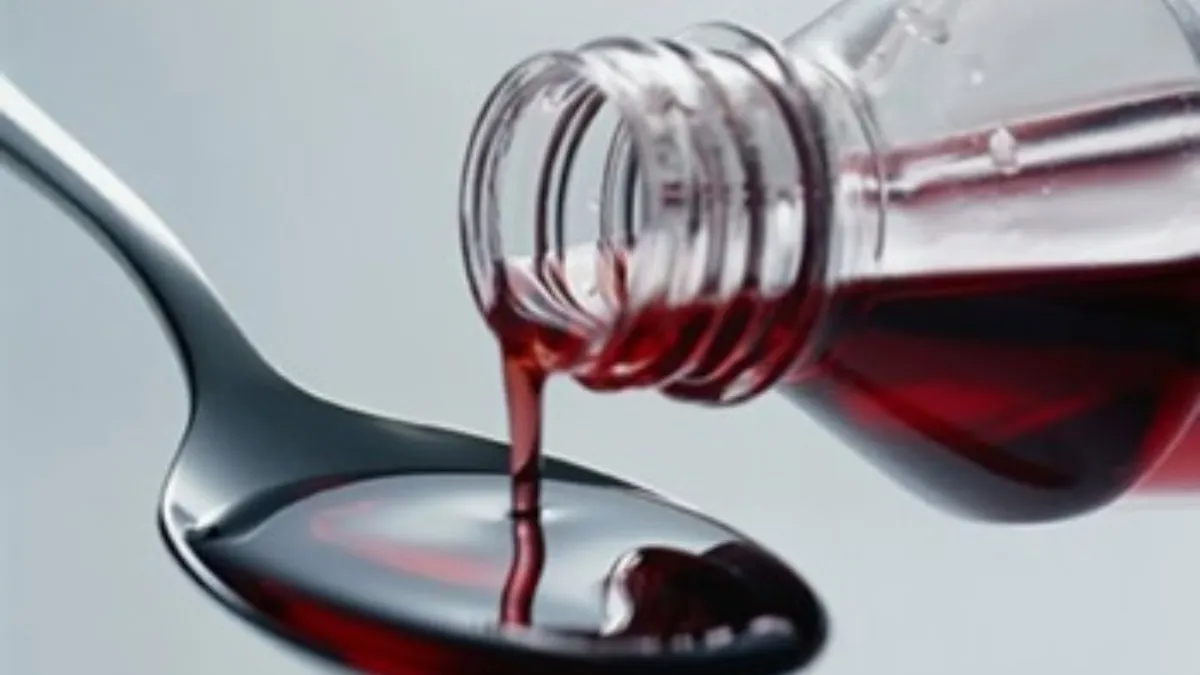
Indian health authorities have sounded the alarm after 17 children under the age of five died in recent weeks, allegedly from consuming toxic cough syrup. The government has flagged serious lapses in testing protocols at pharmaceutical companies, and the World Health Organization has warned of a “regulatory gap” in how India screens medicines for harmful chemicals.
Tests confirmed that the cough syrup “Coldrif,” produced by Sresan Pharmaceutical Manufacturer, contained diethylene glycol in concentrations nearly 500 times above permissible limits. Officials believe two other brands — Respifresh and RELIFE, also contain dangerous levels of the same chemical.
After these findings, the sale of Coldrif has been banned, and Sresan’s manufacturing licence is under review, according to a Reuters report.
WHO's concern over local cough syrups
The WHO has expressed grave concern, stating that while India confirmed no exports of the contaminated batches, the possibility of unrecorded shipments cannot be fully ruled out. The agency emphasised the need for stricter screening of diethylene glycol (DEG) and ethylene glycol (EG) in both raw materials and finished products.
Under Indian law, pharmaceutical companies are required to test every batch of raw materials and final products — rules that appear to have been circumvented in these cases.
Indian regulators' inspection
Indian regulators have now extended inspections to 19 manufacturing units across six states. Among the firms under scrutiny are Shape Pharma (maker of RELIFE) and Rednex Pharmaceuticals (maker of Respifresh). State regulators say they found violations and ordered an immediate halt to production and distribution.
Officials in Gujarat, a pharmaceutical hub, specifically reported that some cough syrup samples “were not of standard quality.”
At the Sresan facility in Tamil Nadu, inspectors found a deserted factory. They posted notices demanding records on how the drug was manufactured and the sourcing of its ingredients. Large numbers of syrup bottles lay abandoned, with a lingering chemical odour filling the air.
Police investigations
Police are investigating possible criminal liability, including charges of manslaughter.
The tragedy follows similar cases from recent years: Indian-made cough syrups have been linked to child deaths in Gambia, Uzbekistan, Cameroon, and India itself — notably in 2019.
The recurring incidents have cast a shadow over India’s vast pharma industry, which is the world’s third largest by volume and supplies a large share of generic drugs globally.
As India grapples with internal reforms, the clean-up must also reassure global partners. Many countries require additional government testing for Indian pharmaceutical exports, a layer added after earlier tragedies.
The current crisis has drawn renewed scrutiny to enforcement, corporate accountability, and the safety of medicines in the domestic market.
Only swift, transparent action — from enforcing batch‐by‐batch testing to prosecuting negligence — can prevent more lives from being lost.
ALSO READ: Cough syrup for kids: Why don't most children need it and what should parents know before using it?
