Nepal bans 26 social media platforms including Facebook and YouTube: What is the issue and why the ban
Currently, only five platforms are allowed to operate in Nepal, including TikTok and Viber. The government has banned 26 platforms, such as Facebook, X (formerly Twitter), Instagram, and YouTube.
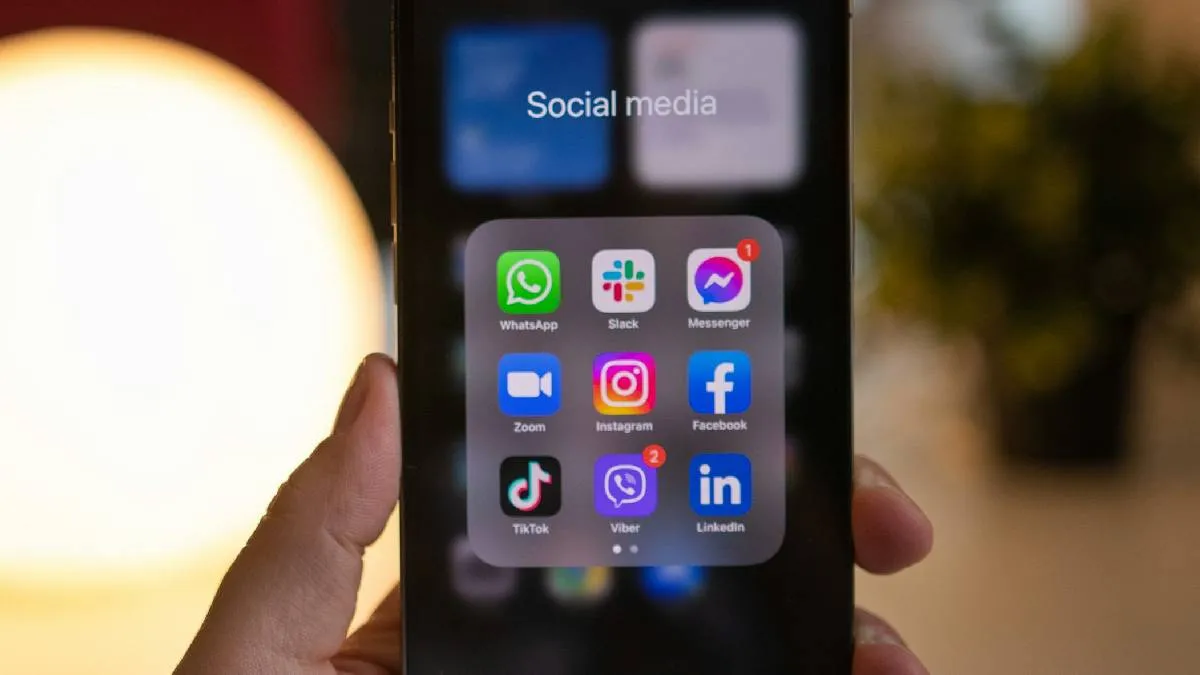
Nepal's government announced on Thursday that it is banning most social media platforms for failing to comply with local regulations requiring them to officially register within the country. This new order will block up to 26 platforms, including major services like Facebook, X (formerly Twitter), Instagram, and YouTube.
Prithvi Subba Gurung, Nepal’s Minister for Communication and Information, stated that the government had repeatedly notified the two dozen most widely used social media platforms to register their companies but they failed to do so. As a result, they will be blocked immediately.
However, he confirmed that five platforms—including TikTok and Viber—will continue to operate in Nepal as they have already complied with the government's registration mandate.
Why is the ban enforced?
The government's latest attempt to enforce registration came on August 28, when it issued a seven-day deadline that expired on Wednesday night. Nepali authorities have been pushing these companies to appoint a local liaison or contact person. To that end, the government has introduced a bill in parliament aimed at ensuring social media platforms are properly managed, responsible, and accountable.
The government's decision to ban the social media platforms is based on a recent Supreme Court ruling and its own Directives Relating to the Regulation for Usage of Social Media.
According to the government, two weeks ago, Nepal's highest court ruled that all online and social media platforms—whether domestic or foreign—must be mandatorily registered with a competent authority. This ruling provides the legal basis for the government's action.
Criticism against the government
This bill, which has not yet completed its debate in parliament, has faced widespread criticism. Rights groups argue that it is a tool for government censorship, intended to silence opponents and curb freedom of expression.
In contrast, government officials maintain that the new legislation is necessary to monitor social media and hold both users and platform operators responsible and accountable for the content they share.