Elon Musk sparks privacy debate, calls WhatsApp ‘not secure’ as lawsuit targets Meta
Elon Musk has raised concerns over WhatsApp’s security after a new lawsuit accused Meta of misleading users about message privacy. WhatsApp chief Will Cathcart has strongly denied the claims.
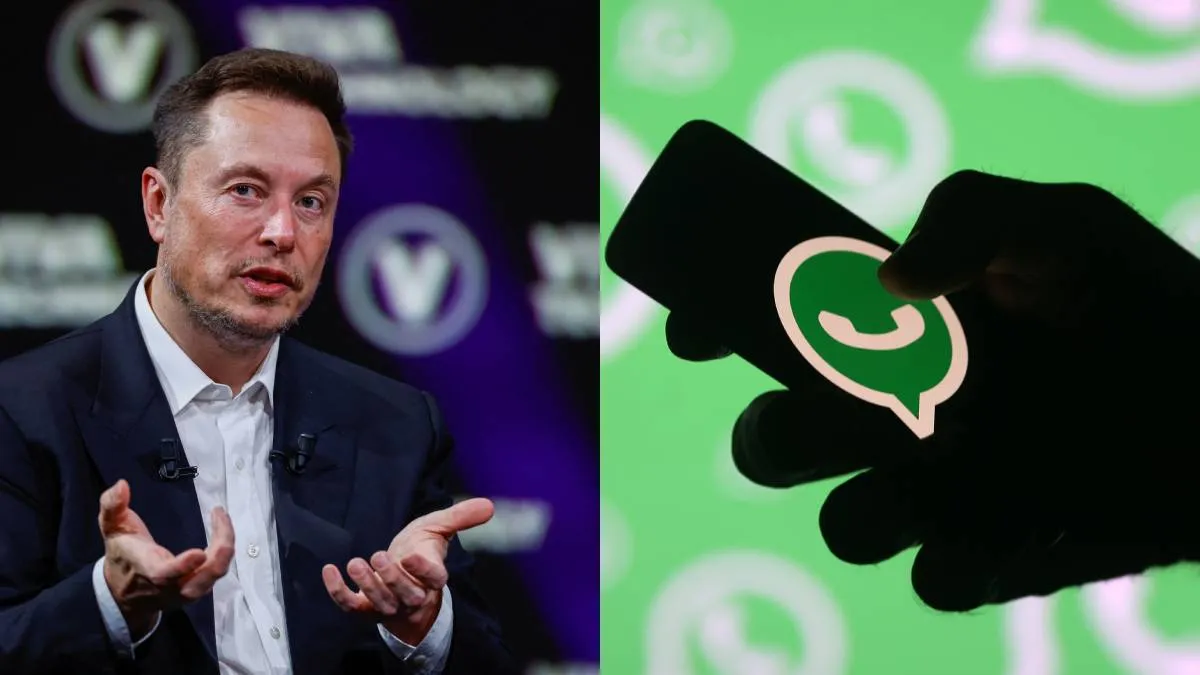
The latest lawsuit against Meta has also pulled billionaire Elon Musk into the ongoing controversy surrounding data privacy. A recent legal filing by an international group of plaintiffs alleges that Meta misled billions of users by claiming that WhatsApp messages are accessible only to the sender and the recipient, and not to the company itself.
Allegations over WhatsApp’s privacy claims
The lawsuit, filed in the US District Court in San Francisco, alleges that Meta’s privacy claims are false. It claims that Meta and WhatsApp “store, analyse, and can access virtually all of WhatsApp users’ purportedly ‘private’ communications”. The plaintiffs accuse the companies and their leadership of defrauding WhatsApp’s billions of users worldwide by misrepresenting how user data is handled.
Elon Musk questions WhatsApp and Signal security
Reacting to a Bloomberg report on the lawsuit, Elon Musk said that WhatsApp is not secure. He also raised doubts about the security of the Signal messaging app, calling it “questionable.” During the exchange, Musk used the opportunity to promote his own messaging service, urging users to switch to X Chat.
WhatsApp head responds to Musk’s claims
WhatsApp head Will Cathcart responded strongly to Musk’s comments, calling them “totally false”. He said WhatsApp cannot read user messages because encryption keys are stored on users’ devices, and the company does not have access to them.
Cathcart also questioned the credibility of the lawsuit, describing it as headline-seeking. He said the case was brought by a group that previously defended NSO Group after its spyware was used to target journalists and government officials.
Who filed the lawsuit?
The group behind the lawsuit includes plaintiffs from Australia, Brazil, India, Mexico, and South Africa. The complaint alleges that Meta stores the substance of users’ communications and that company employees can access them. It cites unnamed “whistleblowers” as sources for these claims, though it does not provide details about their identities.
ALSO READ: India targets 3nm chip manufacturing by 2032: Government lays out semiconductor roadmap