ZSI discovers two new worm species in West Bengal’s coastal waters
ZSI researchers and international experts have discovered two new marine worm species in West Bengal’s Digha and Bankiput regions. Belonging to the nereididae family, the species show resilience in polluted habitats, highlighting Bay of Bengal biodiversity.
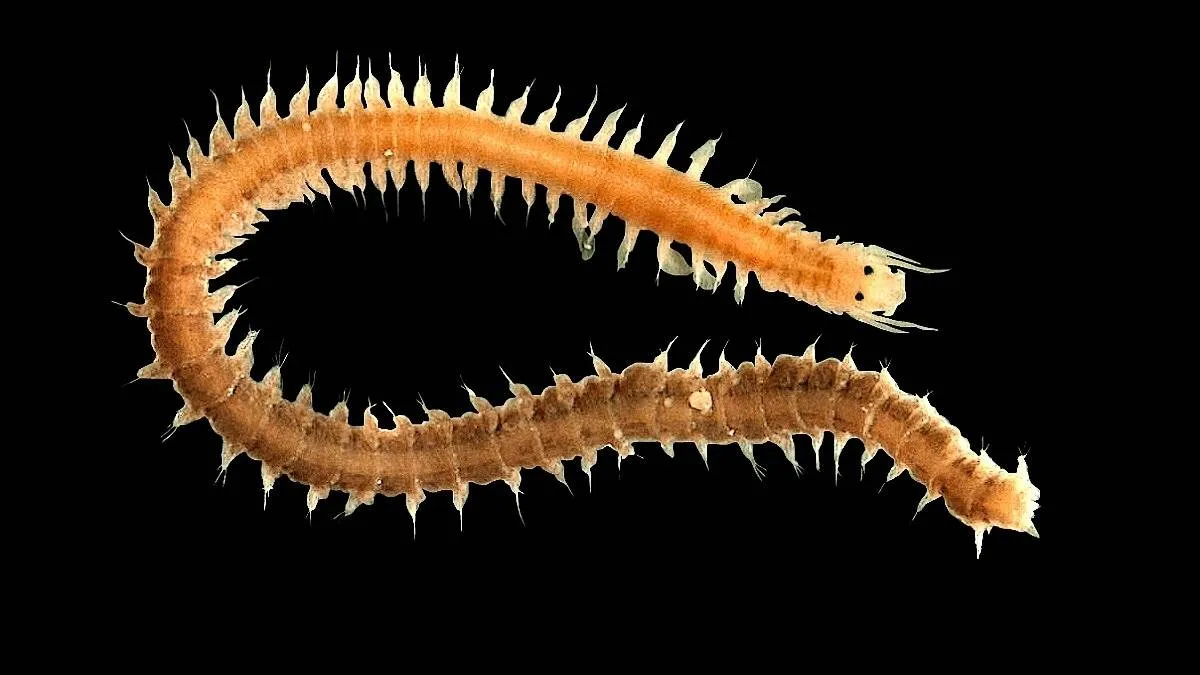
A research team from the Zoological Survey of India (ZSI), in collaboration with international experts, has announced the discovery of two new species of marine worms (polychaetes) from the coastal waters of West Bengal. According to a ZSI statement released on Thursday, the findings were made in the Digha and Bankiput regions of Purba Medinipur district, highlighting the rich yet fragile marine biodiversity of the northern Bay of Bengal.
Details of the scientific study
The discovery has been documented in a study titled “Description of two new species of nereididae (Annelida: Nereididae) from West Bengal, India, Bay of Bengal.” The research outlines the distinctive characteristics and habitats of the newly identified marine annelids.
The study reports the identification of two distinct species, each named based on unique biological traits or in honour of scientific leadership.
Unique features of the first species
One of the newly discovered species derives its name from the Greek words solenotos (channelled) and gnatha (jaw). This species is characterised by specialised jaws with multiple canals emerging from the pulp cavity.
It is known to thrive in extreme environments, including sulphide-rich and organically enriched mudflats, and is commonly found among decomposing mangrove wood and hardened clay.
Second species named in honour of ZSI leadership
The second species has been named in honour of Dhriti Banerjee, the first woman director of the Zoological Survey of India.
According to the statement, this species was discovered inhabiting wooden dock piles on sandy beaches that remain submerged during high tide.
Ecological importance and human impact
“Nereidids are vital to coastal health, playing a critical role in nutrient cycling and sediment aeration,” the statement said.
The research team, including Jyoshna Pradhan, Anil Mohapatra (ZSI), and Tulio F. Villalobos-Guerrero (CICESE, Mexico), noted that both species were found in areas significantly affected by human activity and pollution.
“The presence of these species in specialised, highly exposed, and even polluted habitats underscores the resilience of polychaetes,” the team stated.
The researchers added that these worms may serve as important bioindicators for monitoring coastal health, although further studies are required to assess their full conservation potential.
ALSO READ: NASA delays crewed Moon mission after hydrogen leaks disrupt rocket dress rehearsal