Rajasthan govt set to amend 30-year-old two-child rule for panchayat, urban local body polls
Rajasthan is preparing to strike down the two-child disqualification clause in local body and panchayat election laws. Drafts have been sent for legal vetting and will soon reach the Cabinet. The change will restore eligibility for many leaders across both major parties.
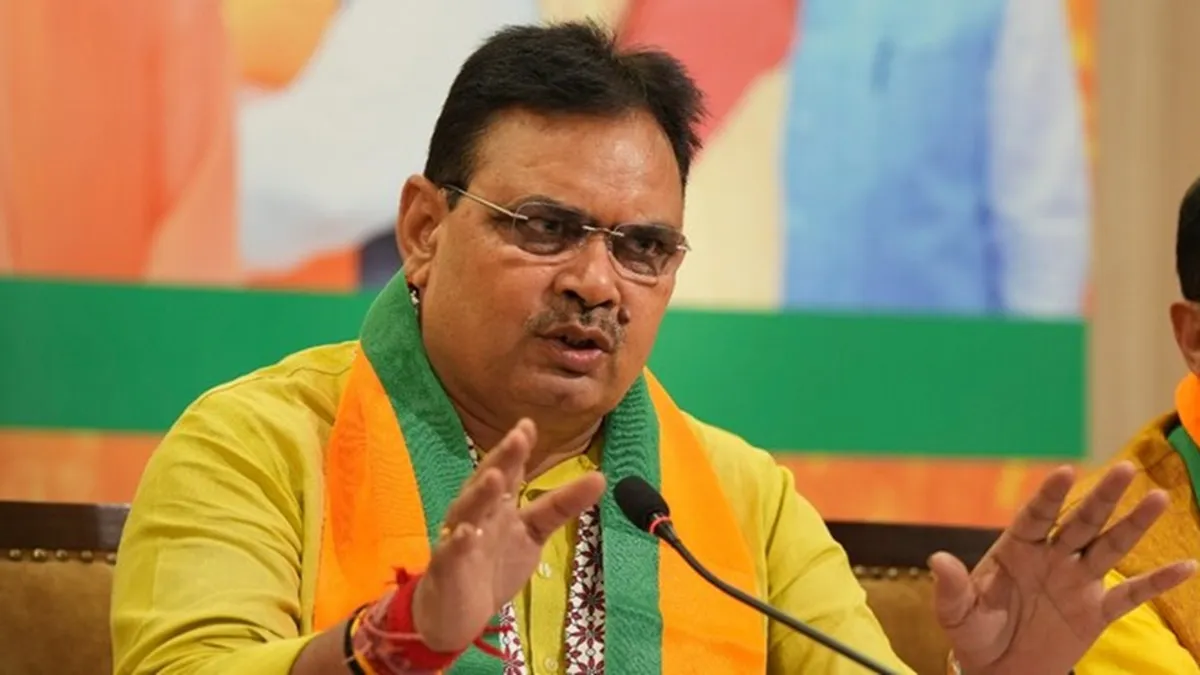
The Rajasthan government is preparing to bring an ordinance to amend the Rajasthan Panchayati Raj Act and the Rajasthan Municipalities Act in order to remove the provision that bars individuals with more than two children from contesting panchayat and urban local body elections. Officials confirmed that draft documents of the proposed ordinance have already been sent to the law department for vetting. Once the department clears the drafts, the proposal will head to the Cabinet for final approval.
Two child rule barred aspirants since 1995
At present, the law prevents people who had a third child after November 27, 1995, from contesting various offices including panch, sarpanch, up-sarpanch, panchayat samiti member, zila parishad member, pradhan, zila pramukh, councillor, chairperson or mayor. The clause exists in Section 24 of the Rajasthan Municipalities Act along with corresponding sections in the Panchayati Raj Act.
Impact across party lines
The proposed change is likely to benefit leaders in both the BJP and the Congress. Once the amendment kicks in, they will again become eligible to contest. Urban Development and Housing Minister Jhabar Singh Kharra recently said that elected representatives should not be subjected to discrimination due to the enforcement of the two-child rule.
(With PTI inputs)