'Yunus working to improve relations with India': Bangladesh's finance adviser amid strained ties
Experts and diplomatic analysts note that India–Bangladesh relations are at their lowest point since Bangladesh’s independence from Pakistan in 1971, with both countries repeatedly summoning each other’s envoys over protests outside their consulates.
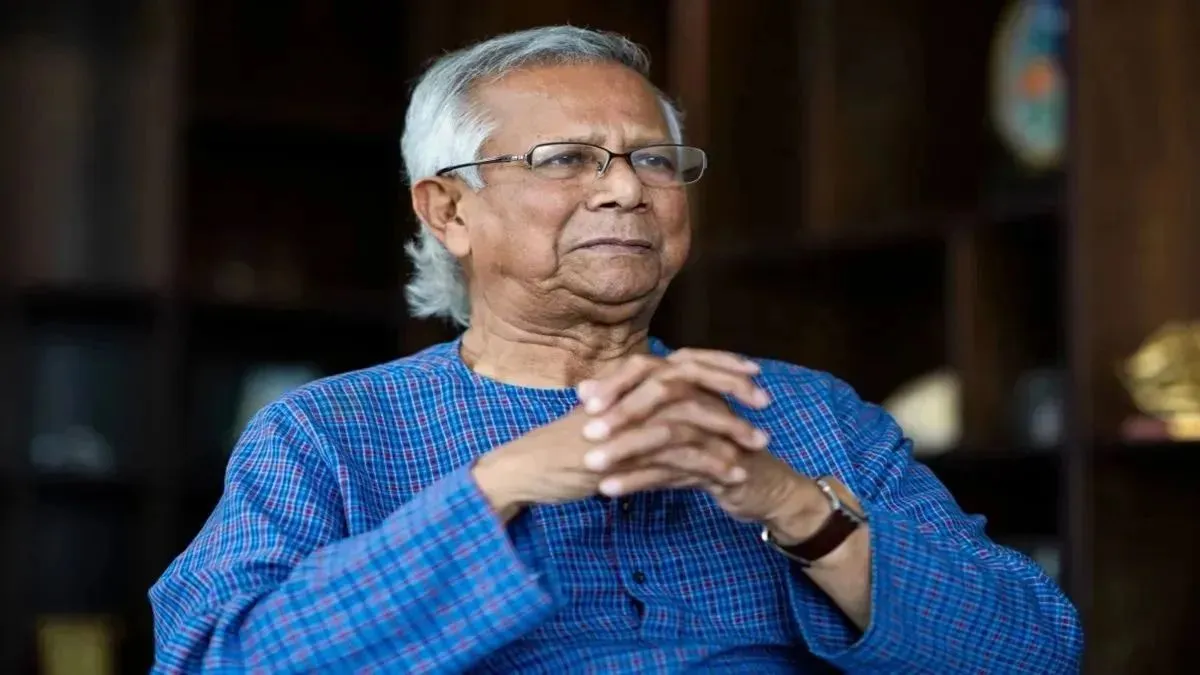
Bangladesh interim government's finance adviser Salehuddin Ahmed on Tuesday said their Chief Adviser Muhammad Yunus was working towards improving trade ties with India despite prevailing tensions. Ahmed said Yunus wanted to keep Bangladesh’s economic interests separate from "political rhetoric” and he was himself engaged with several stakeholders over the issue.
"The chief adviser is working to improve diplomatic relations with India, and he himself has also been speaking to various stakeholders on the issue," PTI quoted him as saying to the reporters.
On being asked if Yunus was involved in deliberations with India amid strained ties, Ahmed said the chief adviser "has not" but he was certainly in contact with those associated with the matter.
"Our trade policy is not driven by political considerations. If importing rice from India is cheaper than sourcing it from Vietnam or elsewhere, then it makes economic sense to buy the staple from India," he said.
Ahmed said Bangladesh has decided to purchase 50,000 tonnes of rice from India for nurturing good relations with New Delhi.
Experts and diplomatic analysts note that India–Bangladesh relations are at their lowest point since Bangladesh’s independence from Pakistan in 1971, with both countries repeatedly summoning each other’s envoys over protests outside their consulates.
Hadi's killing and protests in Bangladesh
A 32-year-old youth leader, Sharif Osman Bin Hadi, was shot in the head by unidentified assailants while campaigning in Dhaka’s Bijoynagar area on December 12. He was later airlifted to Singapore for advanced medical treatment, where he succumbed to his injuries.
Hadi’s death triggered widespread unrest across Bangladesh, with incidents of violence and vandalism reported from several regions. In Chattogram, stones were allegedly hurled at the residence of the Indian Assistant High Commissioner, according to local officials.
Amid the unrest, sections of the Bangladeshi media circulated claims suggesting that Hadi’s attacker may have fled to India. These unverified assertions further strained already sensitive relations between the two neighboring countries.
The violence also took a communal turn in some areas. In Mymensingh, a Hindu man identified as Dipu Chandra Das was killed after a mob attacked him over allegations of blasphemy. Authorities have confirmed that at least 12 individuals have been arrested in connection with the incident.
The attacks on minority communities sparked strong reactions in India, where protests were held condemning the violence and calling for the protection of minorities in Bangladesh.
Also Read: Bangladesh violence: UN voices concern over Hindu man's killing, protests in India