Iran threatens to 'completely' shut Strait of Hormuz after Trump's ultimatum as war rages
Iran's warning to shut the Strait of Hormuz after Trump's threat to hit its power plants has intensified the Middle East crisis. With missile strikes hitting Israel and fears over nuclear facilities rising, regional infrastructure is increasingly at risk.
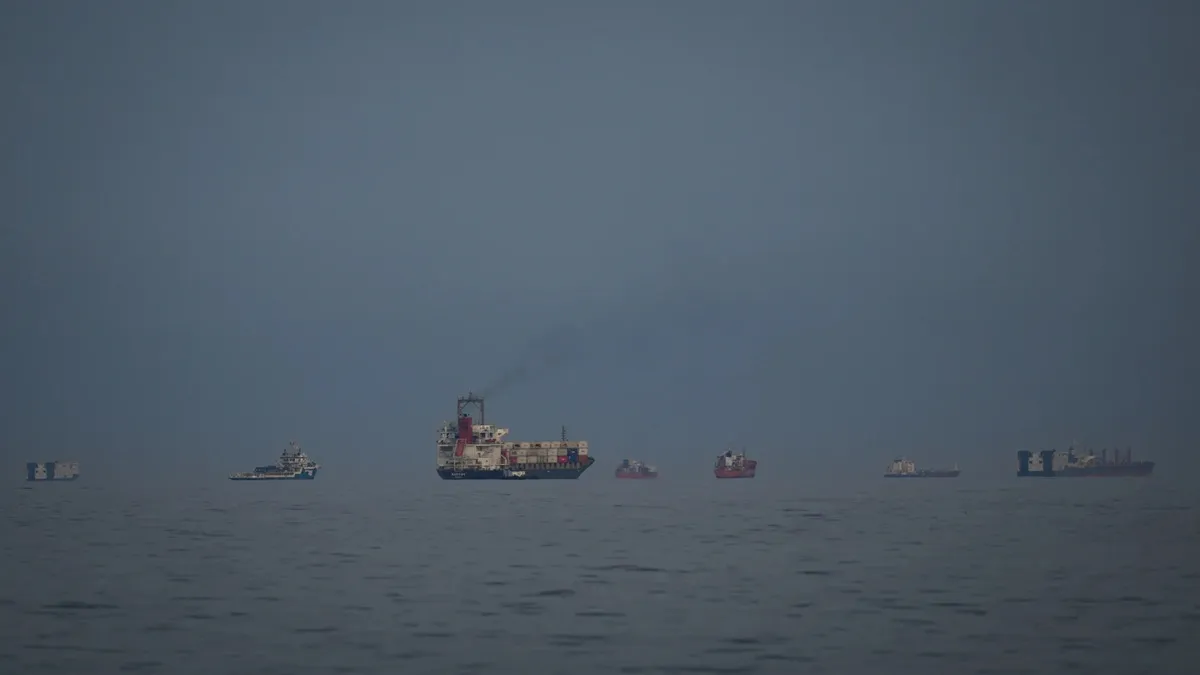
Amid escalating conflict in the Middle East, both the United States and Iran issued threats to target critical infrastructure which has intensified fears of a wider regional fallout. Iran warned that the Strait of Hormuz, a vital corridor for global energy shipments, would be "completely closed" if the US acted on President Donald Trump's ultimatum to strike Iranian power plants. Trump has reportedly given a 48-hour deadline for Iran to reopen the strait.
According to reports, Israeli authorities visited two southern towns near the secretive research hub at Negev Nuclear Research Center, after missiles fired from Iran left several people wounded. Prime Minister Benjamin Netanyahu described it as a "miracle" that no deaths occurred. He reiterated that Israel and the US remain committed to their strategic objectives, which include curbing Iran’s nuclear and missile capabilities and weakening its regional influence. Despite these claims, there has been no sign of public unrest in Iran or any easing of the conflict, which has harmed global markets, pushed up oil prices and disrupted major flight routes.
Hezbollah strike adds pressure
The Iranian-backed Hezbollah said it carried out an airstrike in northern Israel that killed one person. Meanwhile, Joseph Aoun criticised Israel's recent strikes on bridges in southern Lebanon, calling them "a prelude to a ground invasion." Israeli military spokesperson Brig Gen Effie Defrin stated that "more weeks of fighting against Iran and Hezbollah are expected for us."
Infrastructure under threat
Iran has already moved to restrict vessel movement through the Strait of Hormuz, allowing safe passage only to ships from non-enemy nations. With nearly one-fifth of global oil supplies dependent on this narrow waterway, attacks on ships have forced most tankers to halt operations. Trump warned that if Iran refused to reopen the strait, the US would destroy its "various POWER PLANTS, STARTING WITH THE BIGGEST ONE FIRST!" Washington argues that Iran's Revolutionary Guard uses civilian infrastructure to support military operations. However, legal experts note that such facilities can be targeted only if the military gain outweighs the civilian harm, The Associated Press (AP) reported.
Meanwhile, Iranian parliament speaker Mohammad Bagher Qalibaf responded by warning that any strike on Iranian infrastructure would make energy and desalination plants across the region "irreversibly destroyed." He added that "entities that finance the US military budget are legitimate targets." Iran's UN ambassador said in a letter that attacks on its power plants would be "inherently indiscriminate and clearly disproportionate," terming them a war crime, as reported by state-run IRNA.
Renewed nuclear concerns after strikes
Iran claimed its latest missile attack in the Negev Desert was retaliation for an earlier assault on its main nuclear enrichment hub at Natanz nuclear facility. Tehran hailed the strike as a show of capability, though Israel maintains that the frequency of Iranian missile launches has dropped since the conflict began. Hospitals in southern Israel received more than 175 casualties from the affected towns of Arad and Dimona, officials told The AP. Israel, widely believed to possess nuclear weapons, denied involvement in the Natanz strike. The Pentagon declined to comment.
The International Atomic Energy Agency stated that most of Iran's enriched uranium stockpile remains at the Isfahan nuclear facility, currently buried under rubble from previous strikes. Iran's health ministry said its death toll has crossed 1,500, while 15 people in Israel have been killed in Iranian attacks. Casualties have also been reported in the occupied West Bank and several Gulf nations.
ALSO READ: