Bangladesh Election 2026: Can BNP's Tarique Rahman ride anti-Hasina wave to form next govt?
Bangladesh's 2026 general election is its most crucial vote in decades and the first since Sheikh Hasina's exit. With the Awami League weakened, the BNP and Tarique Rahman are gaining strong momentum. The general election is set to be held on February 12 in the country.
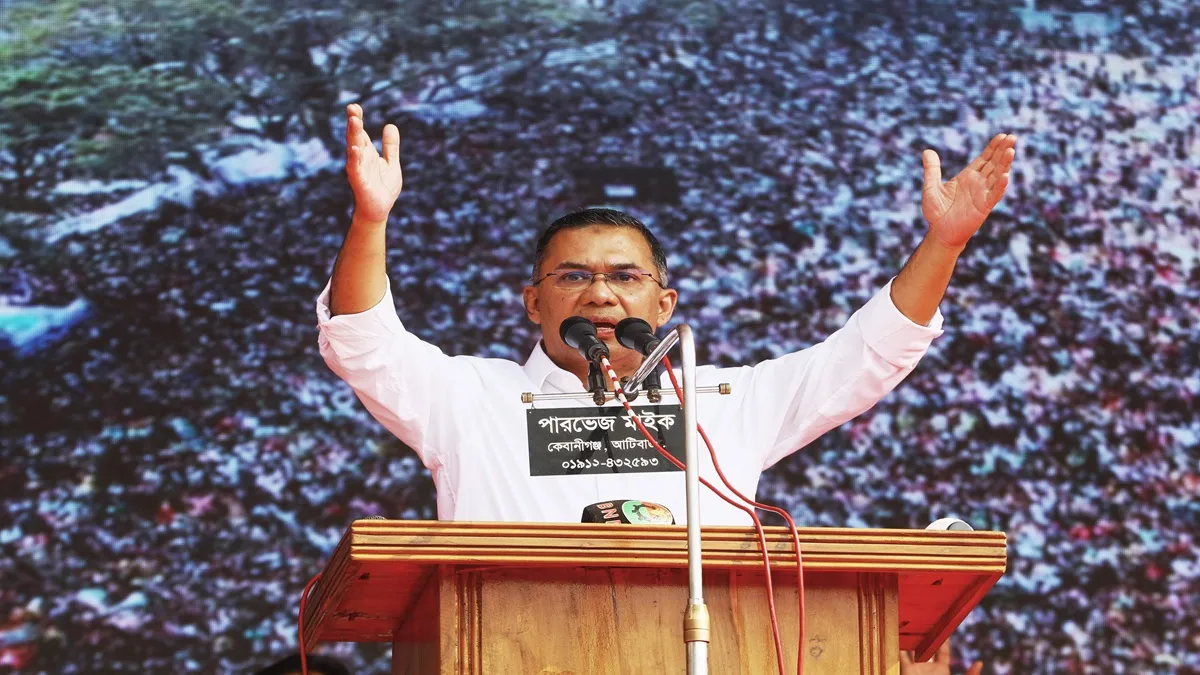
Bangladesh is heading into one of its most consequential general elections in history on Thursday (February 12) as this is the country’s first national vote since the dramatic ouster of former Prime Minister Sheikh Hasina in 2025. The upcoming polls are expected to see fierce political competition, renewed public enthusiasm and intense scrutiny from global observers as voters prepare to choose a new leadership after years of alleged democratic backsliding, economic pressures and widespread protests led by the 'Gen-Z'.
Political scenario after Hasina's exit
Sheikh Hasina's removal from power reshaped the political narrative across Bangladesh. Her departure followed mass demonstrations, accusations of authoritarianism and global criticism of the 2024 polls that the opposition boycotted. After a transitional arrangement supported by the military and civil society groups, Bangladesh now steps into a new democratic phase. The electorate is energised, the bureaucracy is restructuring and political parties are recalibrating their strategies ahead of the polls.
As per reports, the Awami League is attempting to regroup under interim leaders but internal factions and public fatigue present serious challenges. Meanwhile, smaller parties such as the Jatiya Party and left-leaning alliances are expecting to capitalise on a potentially split vote. However, all eyes are on the Bangladesh Nationalist Party (BNP) and its acting chairperson Tarique Rahman, who is emerging as the strongest contender to lead the next government.
Rise of Tarique Rahman and BNP's revival strategy
Tarique Rahman, who has operated BNP's political machinery from London for over a decade, has turned into a central figure in the 2026 election. His strategic messaging, digital campaigns and organisational restructuring have given BNP a fresh appeal among young voters and first-time participants in the election. Many in the party describe him as a "symbol of resistance" after years of legal challenges and political persecution under the previous regime.
BNP's leadership circle argues that Tarique presents a new narrative of accountability and economic revival in a country grappling with inflation, unemployment and a declining garment export market. Party insiders claim that the 2026 manifesto focuses on judicial reforms, decentralisation, police restructuring and restoring electoral trust, all of which resonate strongly with urban voters.
Will Tarique Rahman lead the next govt?
The biggest question circulating across Dhaka's political circles is whether Tarique Rahman can return to Bangladesh and assume the Prime Minister's office if BNP achieves a majority. Legal experts suggest that he may seek relief from pending convictions under changed political circumstances. His supporters insist that "Tarique Rahman must be allowed to take his rightful place in Bangladesh’s democracy".
If BNP emerges as the single largest party, a coalition government is also possible. Several smaller parties have already signalled willingness to align with BNP in exchange for ministerial roles and development funds for their constituencies. A BNP-led coalition could dramatically shift Bangladesh's foreign policy, especially with Tarique's emphasis on balancing ties with India, China and Western partners.
What voters expect in 2026
It is to be noted here that Public concerns remain focused on economic issues, job creation, price stability and safety reforms. The transitional government has stabilised the political environment but the electorate is eager for long-term solutions. Many voters believe the 2026 polls represent a chance to "reset the country" after years of polarisation. Young citizens, particularly those active on social media, appear highly motivated. Independent surveys suggest that youth turnout may hit a record high. Experts believe BNP's digital footprint and Tarique's online presence play a big role in mobilising this demographic.
ALSO READ: Bangladesh Election: Security heightened as over 50% polling centres labelled 'risk-prone'