Supreme Court to deliver verdict on pleas challenging SIR of electoral rolls in Bihar
The pleas have claimed that the Election Commission does not have the powers under Article 326 of the Constitution, the Representation of the People Act, 1950 and the Rules made under it to carry out SIR on such a larger form.
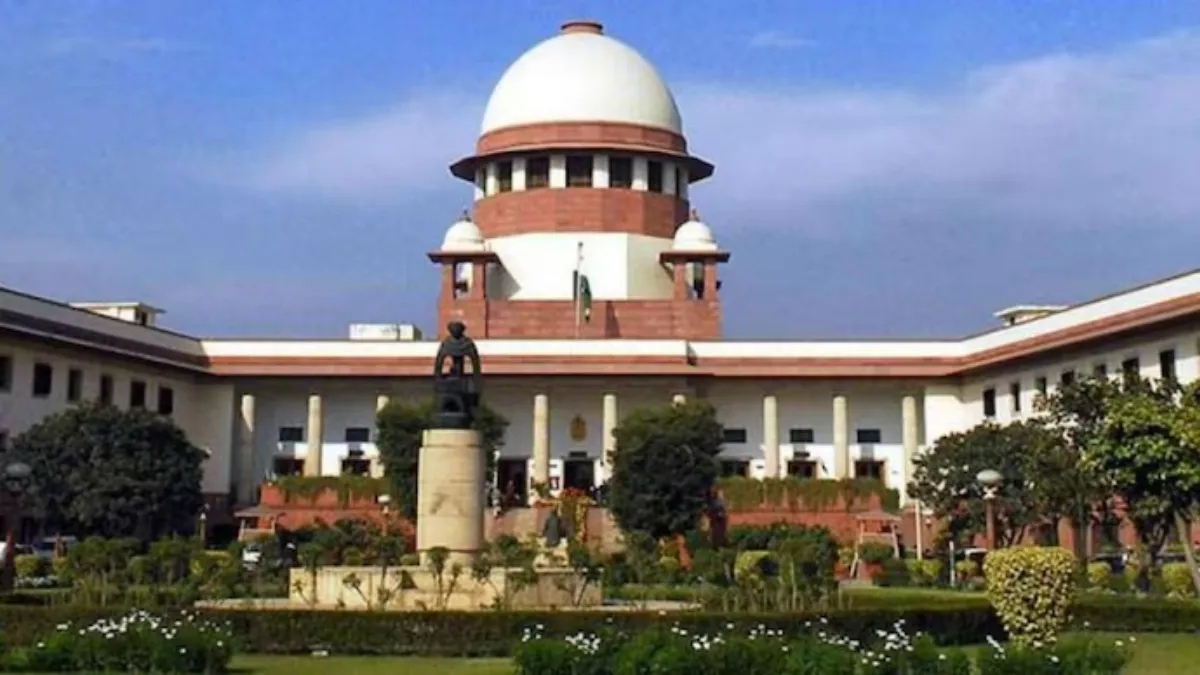
The Supreme Court will deliver its judgment today (May 27) on a batch of petitions challenging the Special Intensive Revision (SIR) of electoral rolls carried out by the Election Commission of India (ECI) in Bihar.
A bench headed by Chief Justice Surya Kant had on January 29 reserved its verdict on the pleas, including the one filed by NGO Association for Democratic Reforms (ADR).
Notably, the SIR in Bihar was conducted in the first phase of the exercise.
What did the pleas claim?
Several pleas challenging the SIR of electoral rolls have claimed that the Election Commission does not possess the authority under Article 326 of the Constitution, the Representation of the People Act, 1950, or related rules to undertake such a large-scale exercise.
The top court had commenced final hearings in the matter on August 12 last year and observed that the inclusion or exclusion of names from electoral rolls falls within the constitutional domain of the Election Commission.
As part of the SIR exercise, the poll body had released data showing that nearly 65 lakh names were removed from the draft electoral rolls.
According to the SIR notification, voters whose names were absent from the 2002 or 2003 electoral rolls were required to establish ancestral linkage with individuals listed in those rolls.
Aadhaar, voter ID not conclusive proof of citizenship: EC
Defending the exercise, the Election Commission maintained that Aadhaar cards and voter identity cards cannot be treated as conclusive proof of citizenship.
The petitioners, however, alleged that the revision exercise resembled an "NRC-like process", claiming that the poll body was effectively undertaking citizenship verification — a power that, they argued, lies exclusively with the central government.
Senior advocate Prashant Bhushan, appearing for the Association for Democratic Reforms (ADR), questioned the timeline fixed for the exercise and also raised concerns over the data related to 65 lakh voters who were categorised as deceased, migrated, or registered in other constituencies.
Also Read: UP final voter list out after SIR: 2.05 crore voters deleted; know how to check your name