Virtual hearings twice a week, WFH, carpooling for judges: Supreme Court adopts energy-saving measures
The Supreme Court has permitted up to 50 per cent of employees in each branch or section of the registry to work from home for a maximum of two days a week.
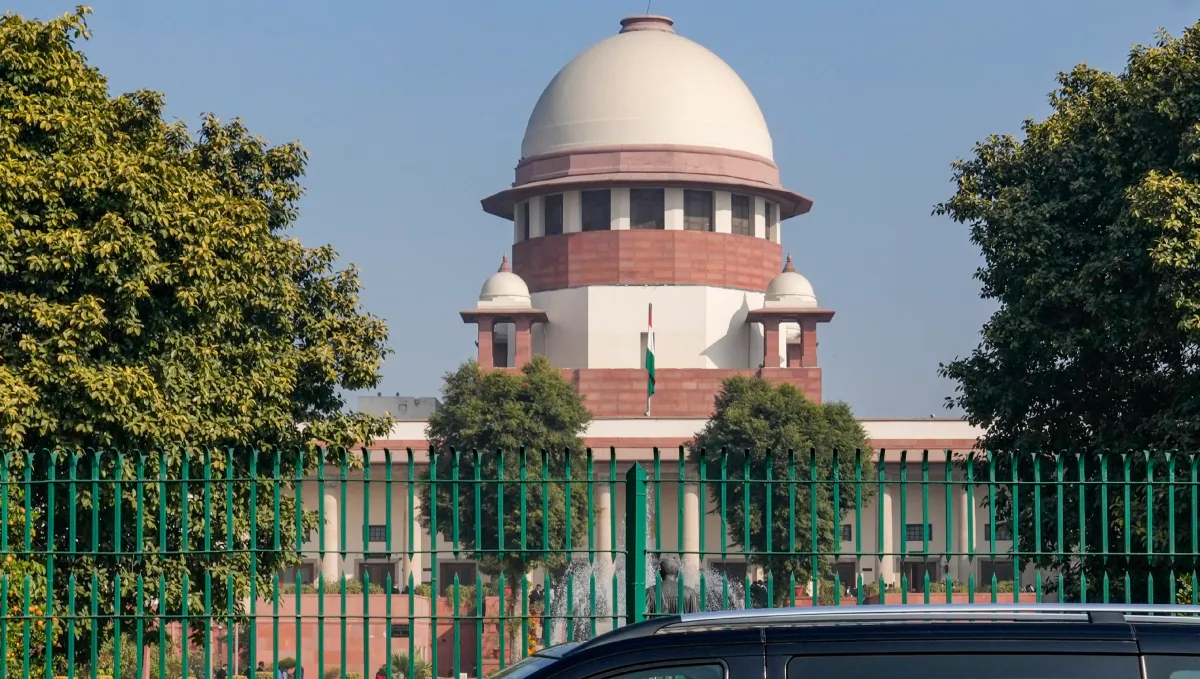
The Supreme Court on Friday issued a new circular introducing major changes in its functioning and staff working arrangements to reduce fuel and energy consumption in line with Prime Minister Narendra Modi's appeal. As per the new measures, virtual hearing will be held twice a week and judges have been urged to carpool their way to the court on offline days.
The decision was taken following an order issued by the central government and has come into effect immediately.
According to the circular, hearings in the Supreme Court on Mondays, Fridays and other designated "miscellaneous days" will now be conducted only through video conferencing. Hearings during partial court working days will also take place online.
The court administration has been directed to ensure that video conferencing links are shared on time and that technical arrangements remain robust to avoid inconvenience to litigants and lawyers.
The judges of the Supreme Court have also decided to encourage carpooling among themselves as part of fuel-saving measures. Under the arrangement, judges may travel together in the same vehicle whenever required.
The circular also introduces important changes for court employees. It states that up to 50 per cent of employees in every branch and section of the Supreme Court will be allowed to work from home for two days a week. However, the remaining staff members will have to remain physically present in office to ensure that court work is not affected.
The circular further clarifies that employees permitted to work from home must remain available on phone at all times and should report to the office immediately whenever required. Officials have also been directed to ensure that all essential work is completed on time.
It has also been stated that if the workload in any branch is high and work from home is not considered suitable, the concerned registrar will have the authority to modify or restrict the work-from-home arrangement in that branch.
The circular was issued by Supreme Court Secretary General Bharat Parashar.