Supreme Court says it's not appropriate for court to set timelines for President, Governors to clear bills
The Supreme Court-bench stated that Article 142, which provides immense power to top court, can't be used for granting deemed assent to bills.
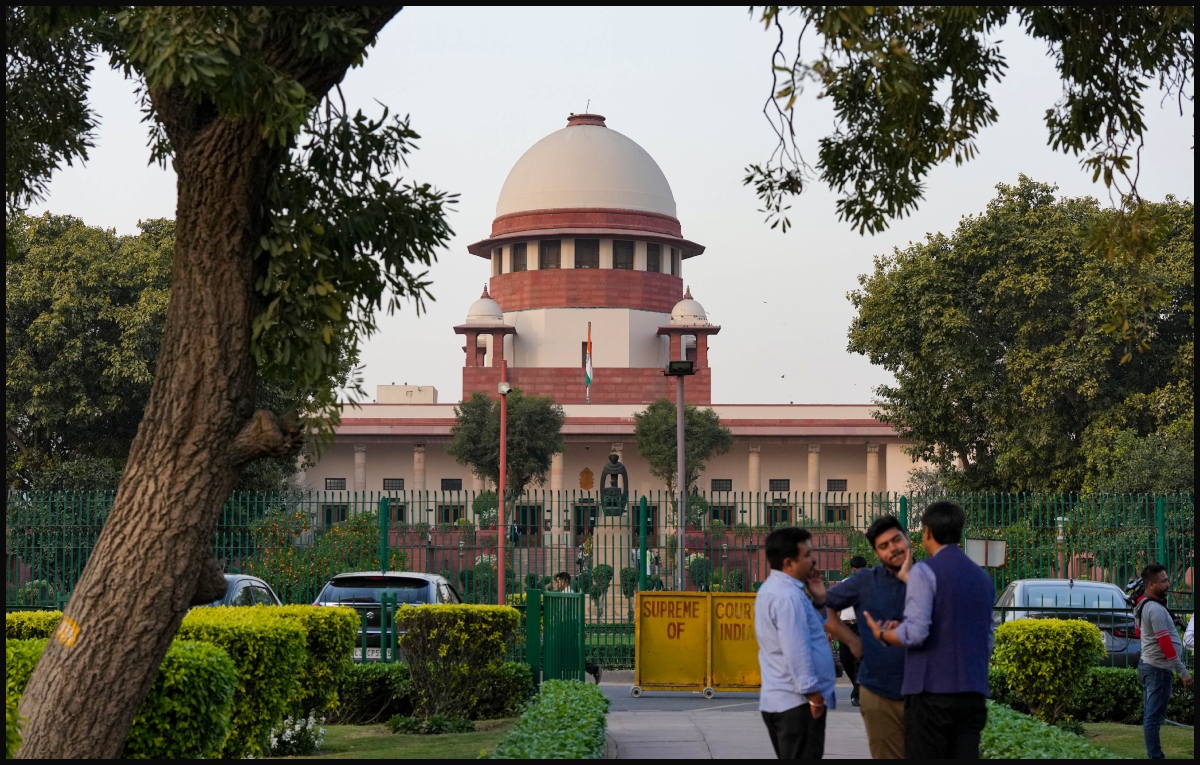
In a significant judgment, the Supreme Court on Thursday stated that it is not appropriate to fix timelines for President and Governor for giving assent to bills. The apex court also observed that governors can't sit on bills indefinitely but fixing timelines would be trampling upon separation of powers. A five-judge Constitution bench highlighted that the actions of the President or Governors are not "justiciable" and judicial review can be invoked only when a Bill becomes a law.
During the hearing of the matter, the CJI said that the arguments made by the central and state governments in favour of the presidential reference have been recorded by the Supreme Court in its judgment.
SC says Article 142 can't be used for granting assent to bills
The Supreme Court-bench stated that Article 142, which provides immense power to top court, can't be used for granting deemed assent to bills.
Saying that democratic country like India, fixing timelines for governors is against elasticity provided by Constitution, the Supreme Court said governors generally have three options -- either to grant assent or send bills for reconsideration or refer them to President.
“We don't think governors have unfettered power to sit over bills passed by state assemblies,” the top court said.
SC says Governors have three options
While answering the Presidential reference in which President Droupadi Murmu has sought the opinion of apex court under Article 143 (1) of the Constitution, the bench said that governors have three options -- either to grant assent or send bills for reconsideration or refer them to the President.
It said in a democratic country like India, fixing timelines for governors is against elasticity provided by the Constitution.
The top court also deprecated the grant of “deemed assent” granted by the apex court on April 8 in the case of Tamil Nadu to the bills held by the state governor, saying it amounts to virtually taking over functions of constitutional authority. The top court also ruled that the discharge of Governor's power under Article 200 is not justiciable.
Also Read:
SC to deliver judgment today on timelines for President, Governors to approve bills